
Root-to-Stem Cooking: Stop Throwing Away Half Your Vegetables
Learn how to use every part of your vegetables from leaves to stems. Save money, reduce waste, and unlock incredible flavors hiding in your compost bin.
Daniel Park
Culinary Contributor
March 3, 2026
7 min read
7 views
Most home cooks toss away 30-40% of the vegetables they buy. Carrot tops hit the bin. Broccoli stems get composted. Cauliflower leaves never make it home from the store. Yet these "scraps" often contain more nutrients and flavor than the parts we actually eat.
Root-to-stem cooking isn't about deprivation or eating things that taste bad. It's about recognizing that our modern food culture has trained us to waste perfectly delicious ingredients. Your grandmother likely knew these techniques instinctively. Now it's time to reclaim that wisdom.
Understanding What's Actually Edible
The confusion about edible plant parts stems from industrial agriculture and grocery store aesthetics. Farmers remove leafy tops because they wilt quickly and make produce look "messy." But those tops? They're often the most flavorful part.
Safety First
While most vegetable parts are edible, some are genuinely toxic. Avoid tomato leaves, rhubarb leaves, and potato leaves/green parts. When trying something new, research it first or ask your produce seller.
Start by expanding your definition of "the vegetable." When you buy a bunch of beets, you're actually getting two vegetables: the roots everyone knows, plus the greens that taste remarkably similar to Swiss chard. When you purchase broccoli, that thick stem contains sweet, tender flesh once you peel away the fibrous exterior.
"The parts we throw away often contain more concentrated nutrients than the parts we eat. Broccoli stems have more fiber than florets, and carrot tops pack more vitamin C than the roots."
Dr. Sarah Thompson, Food Systems ResearcherThe Economics of Whole-Vegetable Cooking
Let's talk numbers. A bunch of carrots costs about $2-3. Most people use only the roots and discard the tops—roughly 25% of what they paid for. That's like throwing 75 cents directly into your compost bin.
Scale that across all your vegetables over a year, and you're potentially wasting $200-400 annually. But the real value isn't just financial. It's about getting more nutrition, flavor, and cooking versatility from every dollar spent.
Start Your Scrap Collection
Keep a container in your freezer for vegetable scraps: onion skins, carrot peels, celery leaves, herb stems, mushroom stems, and Parmesan rinds. When full, simmer everything for 2-3 hours to create rich, free stock.
Stems and Stalks: Hidden Treasure
Broccoli and cauliflower stems perplex many cooks. They seem tough and woody, so into the trash they go. But here's the secret: only the outer layer is fibrous. Inside lies tender, sweet flesh that's actually easier to cook evenly than the florets.
Prep Broccoli Stems
Use a vegetable peeler or paring knife to remove the tough outer layer, about 1/8 inch thick. You'll see the color change from dark to light green.
Slice and Cook
Cut the peeled stem into coins or matchsticks. They cook faster than florets and add pleasant crunch to stir-fries, or can be roasted until caramelized.
Raw Applications
The peeled stem is excellent raw—slice thin for salads or cut into sticks for crudités. The flavor is milder and sweeter than the florets.
Kale and collard stems require different treatment. They're legitimately tough, but that just means they need more cooking time. Remove them from the leaves, chop finely, and add them to your pan 5-7 minutes before the leaves. They'll soften beautifully and add body to your dish. Or pickle them—their firm texture holds up perfectly in brine.
Leafy Tops: Your New Favorite Greens
Carrot tops taste herbaceous and slightly bitter, similar to parsley. They're perfect in chimichurri, pesto, or any application where you'd use hearty herbs. Radish tops are peppery and excellent wilted with garlic. Beet greens are mild and sweet, interchangeable with chard or spinach.
Oxalates in Greens
Carrot, beet, and radish tops contain oxalates, which can be bitter and may cause issues for people prone to kidney stones. Blanching in boiling water for 30 seconds reduces oxalates significantly and mellows bitterness.
The key is matching the green to the right application. Tender tops like beet greens can be used raw in salads. Tougher tops like carrot greens work better cooked or blended. When in doubt, sauté with olive oil and garlic—the universal solution that makes almost any green delicious.
Peels and Skins: Where Flavor Lives
Vegetable peels concentrate flavor and nutrients. Potato skins contain more fiber, iron, and potassium than the flesh. Carrot peels hold most of the vegetable's beta-carotene. Yet we've been trained to automatically peel everything.
The truth? Most vegetables don't need peeling if they're properly washed. Organic carrots, potatoes, beets, and parsnips can all be cooked skin-on. Even conventional produce only needs a good scrub with a vegetable brush under running water.
When to Actually Peel
Peel vegetables when the skin is genuinely tough (winter squash, rutabaga), damaged, or when you want refined texture (mashed potatoes). Otherwise, leave it on for more nutrients, flavor, and less prep time.
For vegetables you do peel, save those peels. Carrot and potato peels can be tossed with oil, salt, and spices, then roasted at 400°F until crispy—they're better than most chips. Add them to your stock bag. Or dehydrate and grind them into vegetable powder for seasoning.
Seeds and Cores: Unexpected Ingredients
Pumpkin and squash seeds are obvious keepers—roasted with salt, they're a classic snack. But what about the seeds from other vegetables?
Pepper seeds are edible, though bitter. The white membrane is where capsaicin concentrates, so remove it if you want less heat. Tomato seeds add no flavor but contribute liquid—fine to leave in most dishes. Cucumber seeds are perfectly edible in young cucumbers but can be bitter in older ones.
Melon seeds, often discarded, can be roasted exactly like pumpkin seeds. Watermelon rinds—the white part between the pink flesh and green skin—can be pickled or stir-fried. In many Asian and Middle Eastern cuisines, these aren't "scraps" but valued ingredients.
Building Your Root-to-Stem Practice
Start small. Pick one vegetable this week and commit to using more of it. Buy beets with their tops attached and cook both parts. Save your onion skins and celery leaves for stock. Peel and cook one broccoli stem.
The Three-Container System
Keep three containers in your kitchen: one for stock scraps (freezer), one for vegetable peels to roast (fridge, use within 2 days), and one for tender scraps like herb stems to add to tonight's cooking (counter). This simple organization makes whole-vegetable cooking effortless.
Pay attention to what you're throwing away. Before tossing something, ask: "Is this actually inedible, or just unfamiliar?" That pause creates awareness. Awareness creates change.
The goal isn't perfection. You don't need to eat every molecule of every vegetable. But shifting from using 60% of your produce to using 85% represents significant savings, reduced waste, and expanded culinary skills.
The Flavor Bonus
Here's what surprises most people about root-to-stem cooking: it's not just economical and sustainable—it genuinely improves your food. Those "scraps" carry concentrated, complex flavors that the main parts often lack.
Carrot-top pesto has an herbal depth that basil pesto can't match. Broccoli stem coins caramelize beautifully, developing sweetness the florets never achieve. Stock made with vegetable scraps tastes more complex than stock made from "perfect" vegetables because you're extracting flavor from a wider variety of plant parts.
You're not compromising. You're not settling. You're cooking smarter and tasting more.
Moving Forward
Root-to-stem cooking reconnects us with how humans have always eaten. Our ancestors didn't have the luxury of discarding half their food. They developed techniques to make every part delicious because they had to.
We don't have to anymore, but we should want to. Every part you use is money saved, nutrition gained, and waste avoided. It's cooking with intention rather than habit. It's recognizing that the food system's convenience often comes at the cost of flavor, nutrition, and common sense.
Start this week. Save one thing you'd normally throw away. Cook it. Taste it. You might be surprised at what you've been missing.
Try This Recipe
Now that you've learned about root-to-stem cooking: using the whole vegetable, put your knowledge into practice with this recipe:
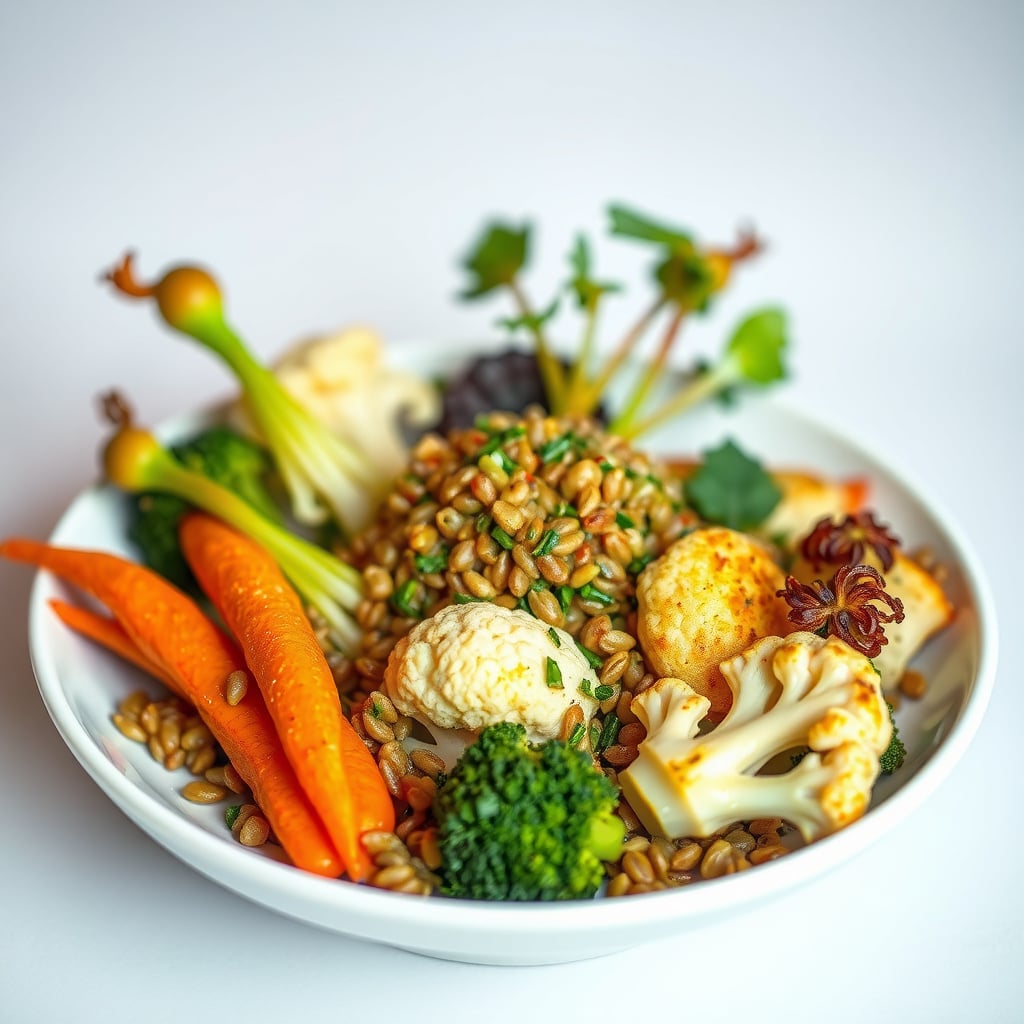
Root-to-Stem Vegetable Grain Bowl with Carrot Top Pesto
60min
4
View Full Recipe →
Ready to simplify your meal planning?
Let OttoChef AI create personalized meal plans for your family in seconds.