
Root-to-Stem Cooking: Stop Throwing Away Half Your Groceries
Learn how to use every part of vegetables from root to stem. Discover practical techniques to reduce food waste, save money, and unlock flavors you've been discarding.
Sofia Rossi
Kitchen Editor
April 28, 2026
7 min read
3 views
Every week, home cooks toss carrot tops into the compost, trim off broccoli stems, and discard beet greens without a second thought. Yet these "scraps" aren't just edible—they're often more nutritious and flavorful than the parts we actually eat. Root-to-stem cooking isn't about deprivation or eating things that taste bad. It's about recognizing that plants are entirely edible systems, and we've simply forgotten how to use them.
The average household wastes about 30% of the vegetables they purchase, much of it perfectly good plant material that previous generations would have considered essential ingredients. Learning to cook the whole vegetable doesn't just reduce waste—it transforms your cooking, introduces new textures and flavors, and can cut your grocery bill significantly.
The Cost of Waste
A family of four typically discards $1,500 worth of food annually. Vegetables and their trimmings make up a substantial portion. Using stems, leaves, and peels can reduce your produce budget by 20-30% while improving nutrition.
Understanding Edibility vs. Palatability
Not everything edible is immediately delicious. This distinction is crucial for successful root-to-stem cooking. Carrot tops are perfectly safe to eat, but they're bitter and fibrous when raw. Cook them properly, though, and they become a vibrant pesto or a flavorful addition to stock. The question isn't "can I eat this?" but rather "how should I prepare this?"
Most vegetable parts fall into three categories:
Tender parts (beet greens, radish tops, fennel fronds): These can be treated like any leafy green—sautéed, added to salads when young, or wilted into pasta.
Fibrous parts (broccoli stems, kale ribs, cauliflower cores): These need different treatment than their tender counterparts. Peeling removes tough outer layers, while slicing thinly or grating helps break down fibers.
Aromatic parts (onion skins, herb stems, corn cobs): These aren't pleasant to eat directly but infuse tremendous flavor into stocks, broths, and cooking liquids.
Start With What You Already Love
If you enjoy kale, you'll probably like chard stems, beet greens, and turnip tops. Use familiar flavors as your gateway to unfamiliar plant parts.
The Stem Strategy: Broccoli, Cauliflower, and Kale
Broccoli stems might be the most tragically wasted vegetable part in American kitchens. The stem contains the same nutrients as the florets, often with a sweeter, milder flavor. The issue is texture, not taste.
Peel the Outer Layer
Use a vegetable peeler or paring knife to remove the fibrous outer skin. You'll reveal tender, pale green flesh underneath that's completely different in texture.
Cut Strategically
Slice stems thinly on the bias for stir-fries, julienne them for slaws, or cut into matchsticks for crudités. The thinner you cut, the more tender they become.
Cook Appropriately
Broccoli stems take longer to cook than florets. Add them to the pan 2-3 minutes earlier, or blanch them separately before combining.
Cauliflower cores work identically—peel and slice them for roasting or grate them raw into salads. Kale ribs, often discarded for being too tough, become tender when finely chopped and given a few extra minutes of cooking time. Add them to soups at the beginning rather than with the leaves at the end.
"The most sustainable ingredient is the one you already bought but haven't used yet."
Zero-waste cooking philosophyLeafy Tops: Carrots, Beets, Radishes, and Turnips
Root vegetable greens are nutritional powerhouses, often containing more vitamins than the roots themselves. Carrot tops have six times more vitamin C than the roots. Beet greens contain more iron than the beets. Yet we habitually throw them away.
The key challenge with these greens is bitterness. Plants produce bitter compounds to discourage pests, and these compounds concentrate in the leaves. You can work with this rather than against it.
Blanching removes much of the bitterness. Drop carrot or radish tops into boiling salted water for 30-60 seconds, shock in ice water, squeeze dry, then chop and use like spinach.
Pairing with fat and acid balances bitterness beautifully. Sauté greens in olive oil or butter, finish with lemon juice or vinegar. The fat carries flavors while acid brightens them.
Combining with other ingredients dilutes intensity. Use a handful of carrot tops in your regular pesto along with basil. Mix radish greens into a larger salad. Fold turnip greens into a grain bowl with other vegetables.
Know Your Greens
Tomato, potato, and rhubarb leaves are toxic and should never be eaten. Stick to greens from root vegetables, brassicas, and herbs. When in doubt, research before consuming.
Aromatics: Building Flavor From Scraps
Some plant parts aren't meant to be eaten directly but are invaluable for building flavor. This is where root-to-stem cooking intersects with stock-making and becomes truly transformative.
Onion skins add deep golden color and subtle sweetness to stocks. Corn cobs, simmered in water, release their starch and sweetness into a base for chowder. Herb stems contain the same essential oils as the leaves but with a more concentrated, woody flavor perfect for long-simmered dishes.
Start keeping a bag in your freezer for vegetable scraps: mushroom stems, leek tops, celery leaves, parsley stems, fennel stalks, and the ends you trim from everything. When the bag is full, you have the base for stock. Cover with water, simmer for 45 minutes, strain, and you've turned trash into liquid gold.
The Scrap Stock Method
Keep a gallon freezer bag for clean vegetable trimmings. Avoid cruciferous vegetables (cabbage, broccoli) which can make stock bitter. When full, simmer in water for 45 minutes with peppercorns and bay leaves. Freeze in ice cube trays for easy portioning.
Peels and Skins: When to Keep Them
Many vegetables don't need peeling at all. We peel from habit, not necessity. Carrots, potatoes, cucumbers, and zucchini have perfectly edible skins that contain fiber and nutrients. A good scrub removes dirt just as effectively as a peeler removes skin.
For vegetables you do peel, the peels often have uses:
Potato peels become crispy chips when tossed with oil, salt, and roasted at 400°F until golden.
Citrus peels (technically fruit, but the principle applies) can be candied, dried for zest, or added to sugar for infused sweetness.
Winter squash peels soften completely when roasted and add texture to puréed soups.
The decision to peel should be intentional, based on texture and flavor goals, not automatic.
Pesticide Considerations
If you're eating peels, organic matters more. Conventional produce can have pesticide residue concentrated in skins. Wash thoroughly regardless, but prioritize organic for the "Dirty Dozen" vegetables you'll eat whole.
Practical Implementation: Starting Tomorrow
Root-to-stem cooking feels overwhelming if you try to change everything at once. Instead, pick one vegetable this week and commit to using it completely.
Buy beets with greens attached. Roast the beets as usual, but sauté the greens with garlic as a side dish. That's it—you've started.
Next week, keep your broccoli stems. Peel and slice them into your stir-fry. The week after, save scraps for stock.
This gradual approach builds skills and confidence without requiring a complete kitchen overhaul. You'll start noticing which parts you habitually discard and questioning whether they actually need to go in the bin.
The Taste-Test Rule
Not sure if something is good? Taste a small piece raw, then taste it cooked. Your palate will tell you if it needs different preparation or if it's genuinely unpleasant. Trust your senses over assumptions.
The Bigger Picture
Using the whole vegetable connects you to food in a different way. You start seeing plants as complete systems rather than just the parts grocery stores have trained you to value. You develop a nose for freshness—vegetables with vibrant, healthy greens attached are fresher than those sold with tops removed.
You also join a tradition. Cooks throughout history and across cultures have always used the whole plant. Italian cooks make pesto from radish tops. Chinese cuisine features stir-fried pea shoots and stems. French cuisine builds stocks from every scrap. We're not inventing something new; we're remembering something old.
The financial impact becomes real quickly. When you stop throwing away 30% of your vegetables, you effectively give yourself a 30% raise on your produce budget. You can afford better quality vegetables because you're using more of each one.
Start small, stay curious, and taste everything. The stems, leaves, and peels you've been discarding might just become your new favorite ingredients.
Try This Recipe
Now that you've learned about root-to-stem cooking: using the whole vegetable, put your knowledge into practice with this recipe:
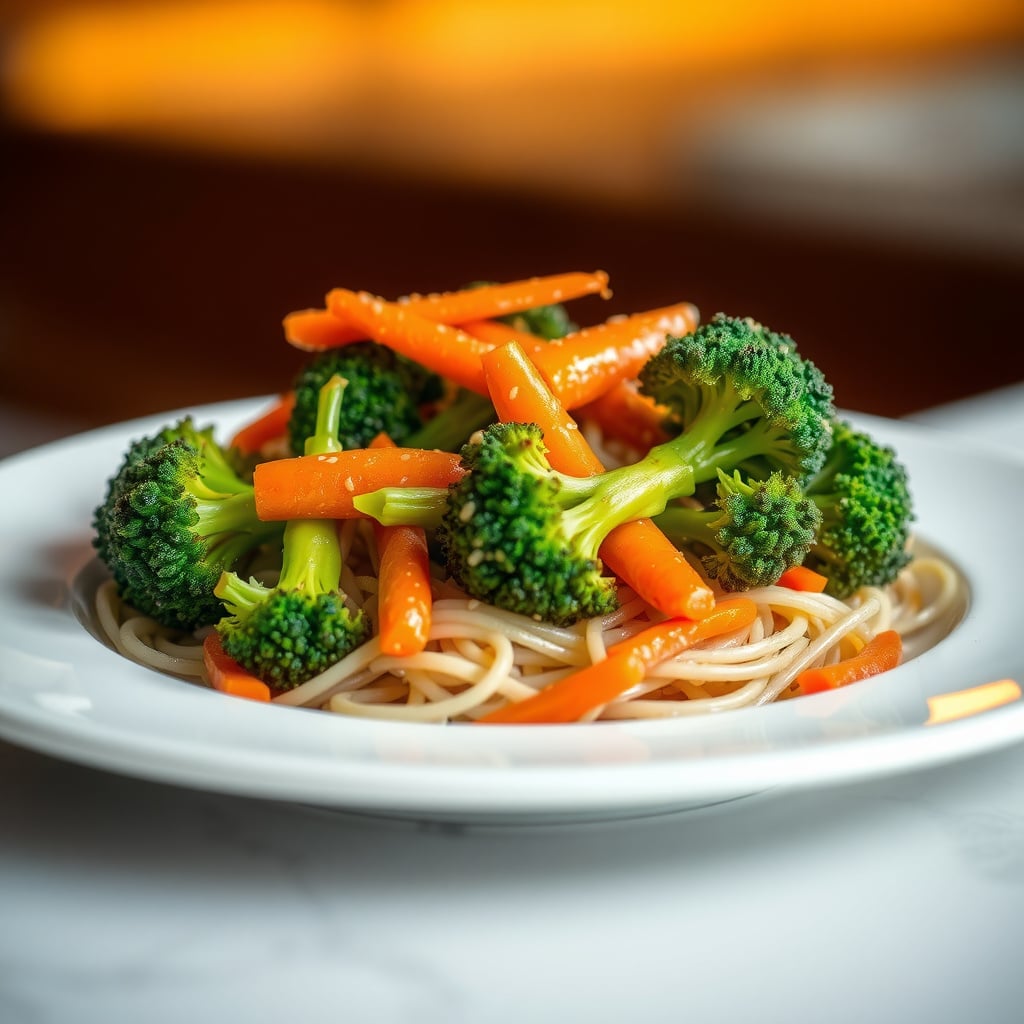
Whole Broccoli Stir-Fry with Ginger-Sesame Noodles
40min
4
View Full Recipe →
Ready to simplify your meal planning?
Let OttoChef AI create personalized meal plans for your family in seconds.