
Restaurant-Quality Chicken at Home: Pan-Seared Thighs with Tomato-Shallot Reduction
Master the bistro technique of cold-pan seared chicken thighs with a luscious tomato-shallot pan sauce and creamy feta orzo. Restaurant quality made simple.
Daniel Park
Culinary Contributor
April 18, 2026
5 min read
10 views
Walk into any French bistro worth its salt, and you'll find a version of perfectly seared chicken on the menu. Crispy, golden skin. Tender, juicy meat. A glossy pan sauce that tastes like it took hours but comes together in minutes. This is the kind of cooking that separates home cooks from confident home chefs—and today, you're joining the latter group.
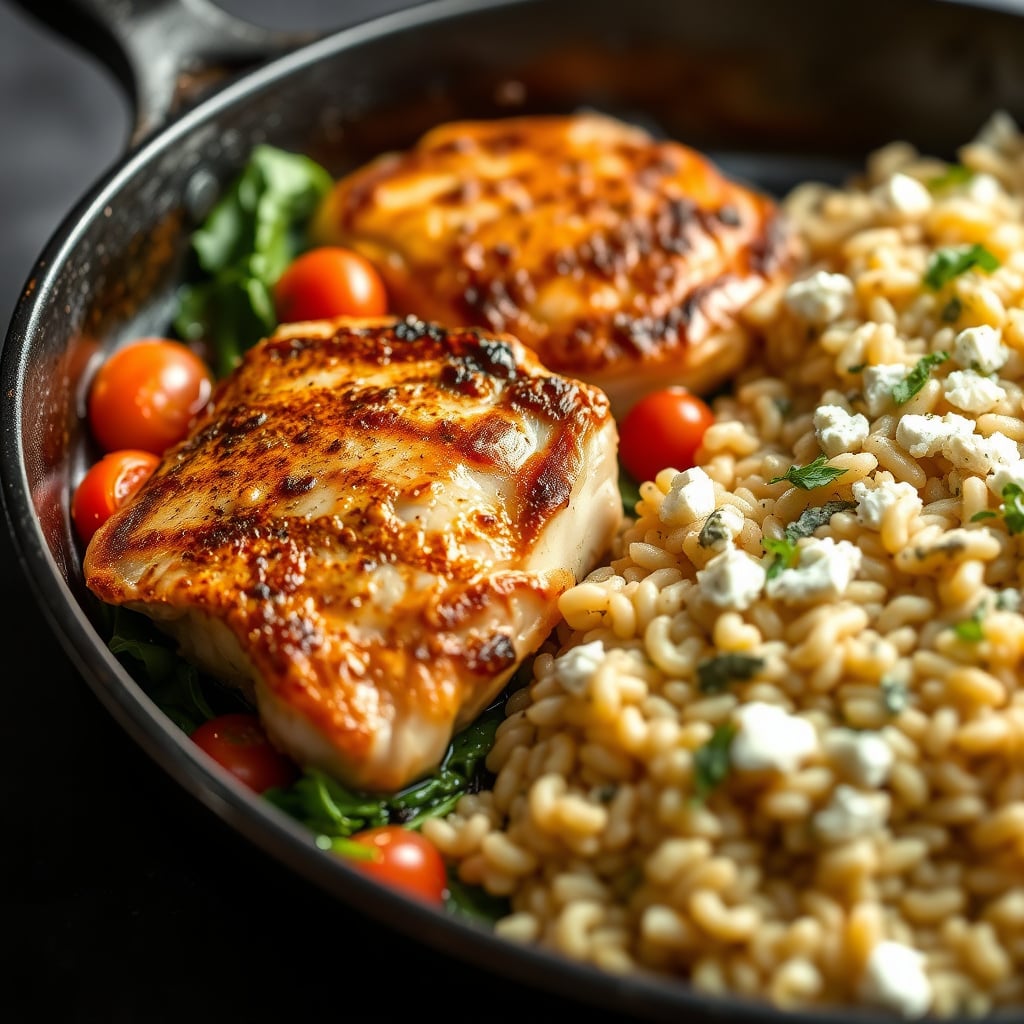
Modern Bistro Pan-Seared Chicken Thighs with Blistered Tomato-Shallot Reduction and Creamy Feta-Herb Orzo
65min
4
View Full Recipe →
The real revelation in this recipe isn't just the flavor combination (though the blistered tomatoes and sweet shallots are absolutely stunning). It's the technique. Most home cooks make one critical mistake when searing chicken: they start with a screaming hot pan. The result? Skin that browns before it crisps, fat that doesn't render properly, and a kitchen full of smoke.
The Cold Pan Secret
Start your chicken thighs in a cold skillet, skin-side down. As the pan heats gradually, the fat renders slowly and evenly, creating that coveted crispy texture without burning. This technique also develops a rich fond—those caramelized bits stuck to the pan—which becomes the foundation of your sauce.
Bone-in, Skin-on Chicken Thighs
The bone keeps the meat incredibly moist during cooking, while the skin provides both protection and that irresistible crispy texture. Dark meat is also more forgiving than chicken breast—it stays juicy even if you slightly overcook it.
Building Layers of Flavor
What elevates this from a simple chicken dinner to bistro-worthy fare is the layering of flavors. After you've achieved that perfect golden-brown sear, the chicken comes out of the pan. But here's where things get interesting.
Those shallots? They're not just aromatics—they're the sweet, mellow backbone of your sauce. As they soften in the rendered chicken fat, they release their natural sugars and create a caramelized base. Then come the grape tomatoes, which blister and burst in the hot pan, releasing their bright acidity to balance the richness.
Deglazing the Pan
When you add chicken stock to the hot pan, use a wooden spoon to scrape up all those brown bits stuck to the bottom. This process—called deglazing—transforms simple stock into a deeply flavorful sauce base. Don't skip this step; it's where the real flavor magic happens.
Grape Tomatoes
These small tomatoes are perfect for blistering because they have thick skins that hold their shape while the insides turn jammy and sweet. The high heat caramelizes their natural sugars while their acidity cuts through the rich chicken fat.
The Creamy Feta-Herb Orzo
While your chicken rests and your sauce reduces, the orzo comes together almost effortlessly. Cooking it risotto-style—gradually adding stock and stirring—creates a creamy texture without any cream. The starch from the pasta naturally thickens the cooking liquid into something luxurious.
Orzo Timing
Start your orzo when you remove the chicken from the pan. The 20 minutes it needs to cook is the perfect amount of time for your sauce to reduce and your chicken to rest before the final simmer.
The feta gets stirred in at the end, melting slightly into the warm orzo and adding tangy, salty pops of flavor throughout. Fresh herbs brighten everything up, making each bite feel fresh despite the richness of the dish.
Feta Cheese
Feta's salty, tangy profile cuts through rich dishes beautifully. Unlike harder cheeses, it softens rather than melts completely, creating pockets of creamy, briny flavor throughout the orzo.
Bringing It All Together
The final step—returning the chicken to the pan with the tomato-shallot reduction—isn't just about reheating. Those last few minutes of gentle simmering allow the chicken to absorb some of the sauce while staying perfectly moist. The skin, already crispy from its initial sear, gets glazed with the reduction, creating a beautiful presentation.
Don't Overcrowd
If your skillet isn't large enough to fit all four chicken thighs with space between them, work in batches. Crowding the pan traps steam, preventing proper browning and crisping. It's worth the extra few minutes for perfect results.
Plate this up with a generous scoop of the creamy orzo, nestle a glossy chicken thigh on top, and spoon that gorgeous tomato-shallot reduction over everything. A sprinkle of fresh herbs, maybe a crack of black pepper, and you've got a plate that looks like it came from a bistro kitchen.
"The cold pan technique completely changed how I cook chicken. Crispy skin every single time, and the pan sauce is restaurant-quality."
Marie, cooking enthusiastWhy This Recipe Works for Busy Weeknights
At 65 minutes total, this isn't a 30-minute meal—but it's absolutely a weeknight-friendly one. Here's why: most of that time is hands-off. The chicken sears while you prep other ingredients. The orzo cooks while the sauce reduces. You're not chained to the stove; you're orchestrating.
Plus, the techniques you'll learn here—proper searing, building a pan sauce, cooking orzo risotto-style—transfer to dozens of other recipes. Master this dish, and you've unlocked a whole category of French-inspired cooking.
Make-Ahead Tip
You can sear the chicken up to 2 hours ahead and keep it at room temperature. When ready to serve, make the sauce and orzo fresh, then add the chicken for the final simmer. The skin won't be quite as crispy, but the convenience is worth it for entertaining.
Ready to Cook Like a Bistro Chef?
This Modern Bistro Pan-Seared Chicken isn't just dinner—it's a masterclass in French technique disguised as a weeknight meal. The cold pan method will change how you approach chicken forever, and that tomato-shallot reduction? It's the kind of sauce you'll find yourself making again and again, even for simple weeknight proteins.
With a perfect 5-star rating and techniques that build real cooking confidence, this recipe deserves a spot in your regular rotation. Head to your OttoChef dashboard to add it to this week's meal plan, and get ready to impress yourself (and anyone lucky enough to be at your dinner table).
Ready to simplify your meal planning?
Let OttoChef AI create personalized meal plans for your family in seconds.