
Pantry Meals: Transform Shelf-Stable Ingredients Into Restaurant-Quality Dinners
Learn how to create delicious, satisfying meals using only pantry staples. Master techniques for building flavor, texture, and nutrition from shelf-stable ingredients.
James Okonkwo
Food Writer
February 11, 2026
9 min read
5 views
You open your refrigerator to find wilted lettuce and questionable leftovers. The grocery store is a 20-minute drive away, and you're already in pajamas. Sound familiar? This is precisely when a well-stocked pantry transforms from a convenience into a culinary superpower. The ability to create satisfying, flavorful meals from shelf-stable ingredients isn't just about emergency preparedness—it's a fundamental cooking skill that saves money, reduces food waste, and often yields surprisingly sophisticated results.
The secret to exceptional pantry cooking lies not in having exotic ingredients, but in understanding how to layer flavors, build textures, and apply proper technique to humble staples. Let's explore how to turn your pantry into a treasure trove of dinner possibilities.
Understanding Your Pantry Arsenal
Before we dive into techniques, let's recognize what makes pantry ingredients so valuable. Canned beans, dried pasta, rice, lentils, canned tomatoes, and jarred sauces aren't just emergency backups—they're ingredients that professional chefs rely on regularly. The canning and preserving processes lock in nutrients at peak ripeness, meaning that jar of San Marzano tomatoes in winter often surpasses fresh supermarket tomatoes in both flavor and nutrition.
The Flavor Foundation
Your pantry should include the "holy trinity" of flavor building: aromatics (garlic, onions, shallots—even dried or powdered), acids (vinegars, lemon juice, wine), and fats (olive oil, sesame oil, butter). These three elements transform basic ingredients into memorable meals.
The key to pantry cooking success is strategic stocking. Instead of buying random canned goods, think in terms of cuisine building blocks. A few cans of chickpeas, coconut milk, and curry paste open up South Asian possibilities. Canned tomatoes, dried pasta, and anchovies unlock Italian classics. Black beans, chipotle peppers in adobo, and rice form the foundation of Latin American comfort food.
The Art of Flavor Layering
The difference between a mediocre pantry meal and an extraordinary one often comes down to layering flavors rather than adding more ingredients. This technique, fundamental to professional cooking, involves building complexity through sequential additions and transformations.
Start with Fat and Aromatics
Heat your fat (olive oil, butter, or even the oil from a can of anchovies) and bloom your aromatics. Even dried garlic powder, when cooked in fat first, releases compounds that create depth impossible to achieve by adding it later.
Toast Your Grains and Spices
Whether it's rice, pasta, or dried spices, toasting in fat before adding liquid creates nutty, complex flavors through the Maillard reaction. This single step elevates simple dishes exponentially.
Deglaze and Reduce
After building your base, add a splash of wine, vinegar, or even the liquid from canned vegetables to deglaze the pan. Let it reduce by half to concentrate flavors and create a sauce foundation.
Season in Stages
Add salt and acid at multiple points during cooking, not just at the end. This allows flavors to penetrate ingredients rather than sitting on the surface.
"The difference between good cooking and great cooking is often just one more minute of patience—letting onions truly caramelize, allowing spices to bloom, giving sauces time to reduce."
Chef Samin NosratTexture Techniques for Pantry Ingredients
One common complaint about pantry meals is textural monotony—everything feels soft or mushy. Professional chefs combat this by intentionally creating textural contrast, and you can too.
Canned beans, for instance, don't have to be uniformly soft. Remove half the beans from your pot and mash them roughly with a fork, then return them to create a creamy base while leaving whole beans for textural interest. This technique works brilliantly in soups, stews, and even as a pasta sauce base.
The Crispy Topping Trick
Transform any pantry grain or legume dish by creating a crispy topping. Toss panko breadcrumbs, crushed crackers, or even crushed cornflakes with olive oil and dried herbs, then toast in a skillet or oven. This adds crucial textural contrast and makes a simple dish feel restaurant-worthy.
Pasta water is another textural secret weapon. The starchy water doesn't just thin sauces—it creates an emulsion that helps sauce cling to pasta. Reserve at least a cup before draining, and add it tablespoon by tablespoon while tossing pasta with your pantry sauce. The starches act as a natural thickener and binder.
For rice dishes, consider cooking methods beyond basic steaming. Toasting rice in oil before adding liquid (as in pilaf) creates firmer, more separate grains. Alternatively, cooking rice like pasta—in abundant boiling water, then draining—gives you more control over texture and removes excess starch for fluffier results.
Umami Amplification Strategies
The biggest challenge in pantry cooking is often achieving the depth and savoriness that fresh proteins and vegetables naturally provide. This is where understanding umami becomes crucial. Umami, the fifth taste, creates satisfaction and richness that makes meals feel complete.
Pantry Umami Bombs
Keep these umami powerhouses stocked: tomato paste (cook it in oil until it darkens), soy sauce or tamari, miso paste, dried mushrooms, anchovies or anchovy paste, Parmesan rinds, and Worcestershire sauce. A small amount of any of these transforms bland into bold.
Tomato paste deserves special attention. Many home cooks add it directly to liquid, but this misses a crucial step. Cook tomato paste in fat for 2-3 minutes until it darkens and smells sweet rather than acidic. This caramelization concentrates sugars and creates complex flavors that make people think you've been simmering sauce for hours.
Dried mushrooms, particularly porcini or shiitake, punch far above their weight. Rehydrate them in hot water, then use both the mushrooms and the strained soaking liquid (which is essentially mushroom stock) in your dish. This technique works in everything from risotto to bean stews to pasta sauces.
Strategic Ingredient Combinations
Certain pantry ingredients have natural affinities that create greater impact together than separately. Understanding these combinations allows you to improvise confidently.
Canned fish (tuna, salmon, sardines, anchovies) pairs exceptionally well with acidic ingredients and creamy elements. The classic Italian combination of canned tuna, capers, lemon, and olive oil over pasta demonstrates this perfectly—the acid cuts the richness while the oil creates a silky sauce.
The Oversalting Trap
Many pantry staples—canned beans, tomatoes, olives, capers, soy sauce, and canned fish—are already salted. Taste before adding salt, and add it gradually. It's much easier to add salt than to fix an oversalted dish.
Legumes (canned or dried) love aromatic spices and acidic finishes. While cooking legumes with acid can toughen them, adding acid at the end brightens and balances. A squeeze of lemon or splash of vinegar transforms a pot of beans from one-dimensional to dynamic.
Grains benefit from cooking in flavored liquids rather than plain water. Even just adding a bouillon cube or a splash of soy sauce to rice cooking water makes a noticeable difference. For more impact, cook grains in diluted canned tomatoes, coconut milk, or reconstituted dried mushroom liquid.
The Fresh Element Strategy
While this post focuses on pantry staples, adding even one fresh element dramatically improves results. This doesn't mean elaborate shopping—it means keeping a few hardy aromatics on hand.
Onions, garlic, and shallots last for weeks and transform pantry meals. If you have only one fresh ingredient, make it an onion. The sweetness and complexity that develops during cooking creates a flavor foundation that dried or powdered versions can't fully replicate.
Herb Preservation Hack
Fresh herbs don't last long, but you can preserve them in oil. Chop hardy herbs (rosemary, thyme, sage), mix with olive oil, and freeze in ice cube trays. Pop out a cube whenever you need instant aromatic flavor for pantry dishes.
Lemons deserve permanent residence in your kitchen. The juice provides essential acid for brightening dishes, while the zest adds aromatic complexity. A lemon can last several weeks refrigerated and transforms everything from canned beans to pasta to rice dishes.
Even a single fresh vegetable—a handful of spinach wilted into pasta, a diced tomato stirred into beans, or frozen peas added to rice—provides color, nutrition, and the psychological satisfaction of eating "real" food rather than just pantry goods.
Timing and Temperature Mastery
Pantry cooking often involves combining ingredients with different optimal textures and temperatures. Understanding timing prevents overcooking some elements while properly heating others.
Canned vegetables are already cooked, so they need only reheating. Adding them too early results in mushy, overcooked vegetables. Instead, add them in the final minutes of cooking, just long enough to heat through and absorb surrounding flavors.
Dried pasta, conversely, benefits from finishing in sauce rather than being fully cooked in water then topped with sauce. Cook pasta until just shy of al dente, then transfer directly to your pantry sauce (with reserved pasta water) and finish cooking together. This allows the pasta to absorb flavor while releasing starch that thickens the sauce.
The Make-Ahead Advantage
Many pantry-based dishes taste better the next day as flavors meld and marry. Bean stews, tomato-based pasta sauces, and grain dishes all improve with resting time. Consider making pantry meals in larger batches—they reheat beautifully and save time.
For rice and grain dishes, resting time matters as much as cooking time. After removing from heat, let the pot sit covered for 5-10 minutes. This allows residual steam to finish cooking while moisture redistributes evenly, preventing both mushy and crunchy spots.
Building Your Pantry Cooking Confidence
The transition from recipe-dependent cooking to confident pantry improvisation happens gradually. Start by mastering a few foundational techniques—a basic tomato sauce, a versatile bean stew, a simple pilaf. Once you understand the technique, you can vary ingredients based on what's available.
Keep a running list of what's in your pantry and their expiration dates. Organize by cuisine or meal type—group Italian ingredients together, Asian staples together, baking supplies together. This visual organization helps you spot meal possibilities at a glance.
Most importantly, reframe how you think about pantry cooking. It's not inferior to fresh-ingredient cooking—it's a different skill set with its own techniques and advantages. Some of the world's most beloved dishes originated as pantry meals: Italian puttanesca, Spanish arroz con pollo, Middle Eastern mujadara, Japanese tamago kake gohan.
"The best cooking comes not from having everything, but from knowing what to do with anything."
Jacques PépinYour Pantry, Your Possibilities
Mastering pantry cooking liberates you from the tyranny of perfect planning and constant shopping. It reduces food waste, saves money, and—perhaps most importantly—makes you a more intuitive, confident cook. When you can look at a shelf of cans and jars and see dinner possibilities rather than emergency rations, you've unlocked a fundamental cooking skill.
Start tonight. Survey your pantry, pick three items, and challenge yourself to create something delicious. Toast those spices. Layer those flavors. Build that texture. Your pantry isn't a backup plan—it's a culinary playground waiting to be explored.
The ingredients are already there. Now you have the techniques to transform them into something extraordinary.
Try This Recipe
Now that you've learned about pantry meals: delicious dinners from shelf-stable ingredients, put your knowledge into practice with this recipe:
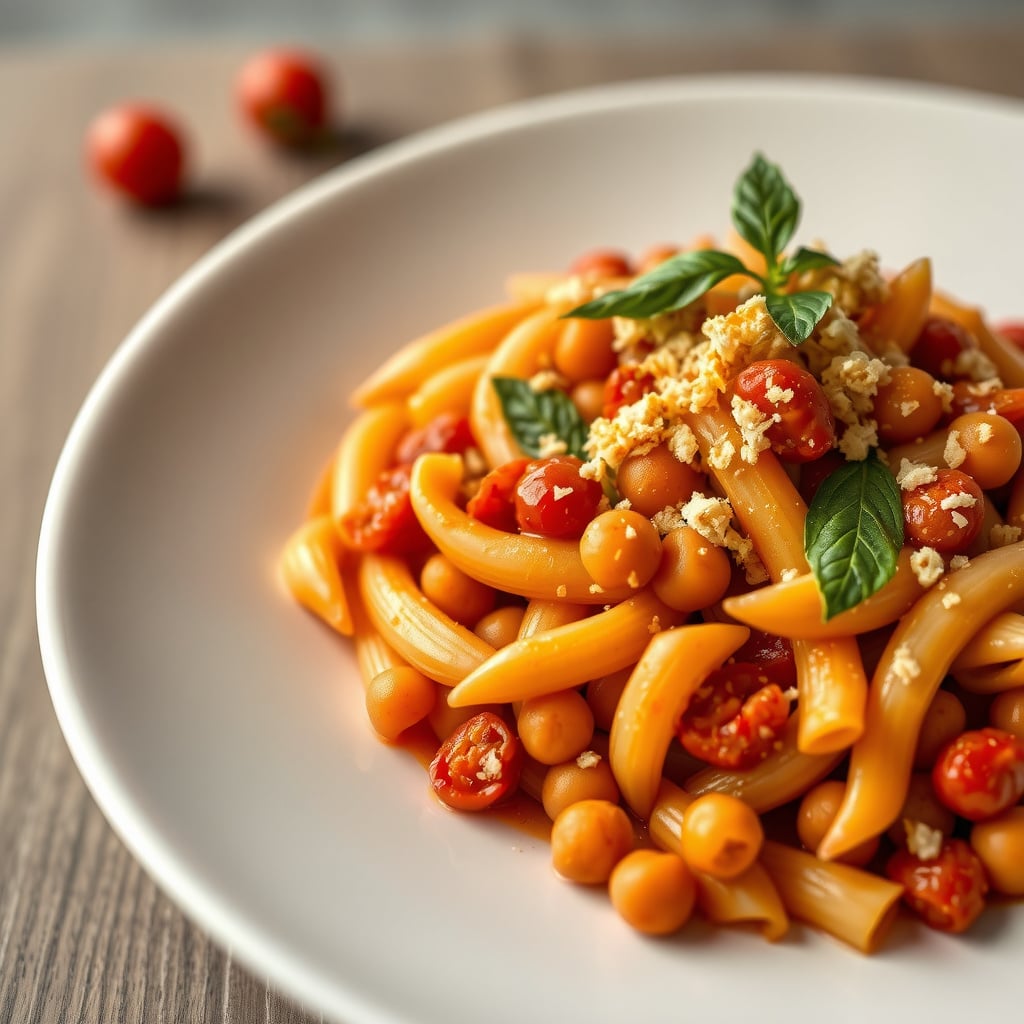
Smoky Chickpea and Tomato Pasta with Crispy Breadcrumbs
35min
4
View Full Recipe →
Ready to simplify your meal planning?
Let OttoChef AI create personalized meal plans for your family in seconds.