
One Protein, Five Meals: The Smart Cook's Guide to Strategic Meal Prep
Learn how to transform a single protein into five distinct meals with professional techniques that save time, money, and reduce food waste. Expert meal prep strategies for home cooks.
James Okonkwo
Food Writer
March 5, 2026
10 min read
6 views
You stare at the rotisserie chicken on your counter Monday evening. By Wednesday, you're forcing down another sad chicken sandwich. By Friday, you can't even look at poultry anymore. Sound familiar?
The problem isn't the protein—it's the approach. Professional kitchens have known for decades that the key to variety isn't buying different ingredients every night; it's mastering transformation techniques that make the same base ingredient unrecognizable from one meal to the next.
This guide will teach you the culinary strategies that turn one protein purchase into five genuinely different eating experiences, saving you both money and decision fatigue while actually making you excited about meal prep.
Understanding Protein Transformation
The foundation of successful protein repurposing lies in three core principles: texture variation, flavor layering, and cultural code-switching. When you cook a whole chicken, roast a pork shoulder, or grill a large piece of salmon, you're not just making dinner—you're creating a ingredient with multiple potential identities.
Texture variation means altering the physical state of your protein. Shredded chicken behaves completely differently in your mouth than diced chicken, which differs from sliced chicken. Each form interacts uniquely with sauces, absorbs flavors differently, and creates distinct eating experiences.
Flavor layering involves building completely different flavor profiles onto the same neutral protein base. Your Monday preparation should be intentionally mild, creating a blank canvas rather than a finished masterpiece. This is where most home cooks go wrong—they fully season their protein on day one, boxing themselves into a flavor corner.
The Neutral Base Strategy
Cook your protein with minimal seasoning initially—just salt, pepper, and perhaps garlic. This creates maximum flexibility for later transformations. You can always add bold flavors, but you can't subtract them.
Cultural code-switching means moving your protein through different culinary traditions. The same shredded pork that stars in Vietnamese bánh mì can become Mexican carnitas, American BBQ, Chinese char siu-style filling, or Italian ragù. The protein doesn't change; the supporting cast and techniques do.
The Five-Meal Framework
Successful protein transformation follows a strategic progression that maximizes both freshness and variety. Here's the professional approach:
The Showcase Meal
Serve the protein in its most pristine form on day one. For roasted chicken, this means carved breast with crispy skin. For salmon, it's a beautiful fillet. This meal celebrates the protein's natural texture and flavor.
The Grain Bowl Transformation
Days 2-3 are perfect for grain bowls or salads where the protein is diced or sliced and combined with fresh vegetables, grains, and a bold dressing. The protein becomes a component rather than the star, and the raw vegetables provide textural contrast.
The Wet Application
Mid-week, transform your protein with moisture and heat. Shred it into soups, stews, curries, or braised dishes. The extended cooking time in liquid completely changes the texture and allows deep flavor penetration.
The Textural Shift
Later in the week, crisp it up. Pan-fry diced protein for fried rice, make it into crispy tacos, or incorporate it into a frittata. The Maillard reaction from re-cooking creates entirely new flavors.
The Complete Disguise
By the end of the week, transform any remaining protein beyond recognition. Blend it into a pâté, mix it into meatballs with other ingredients, or incorporate it into dumplings or hand pies where it's just one element among many.
"The key to successful meal prep isn't cooking more—it's cooking smarter by understanding how transformation techniques multiply your options."
Professional Meal Prep PrincipleMastering Texture Manipulation
The physical form of your protein dramatically impacts how your brain perceives the meal. This isn't just psychological—different cutting techniques actually change how the protein interacts with other ingredients and how it feels in your mouth.
For shredding, always work with the grain structure. Chicken and pork should be pulled apart along their natural muscle fibers, creating irregular pieces that grab onto sauces. Use two forks or your hands (once cooled) rather than chopping, which creates uniform pieces that feel monotonous.
Dicing should be precise and consistent. A ½-inch dice behaves completely differently than a 1-inch dice. Smaller pieces distribute throughout a dish, while larger pieces remain distinct protein bites. Match your dice size to your application: small for fried rice, large for salads.
The Mushiness Problem
Never shred or heavily manipulate protein while it's hot. The proteins are still actively breaking down, and aggressive handling creates mushy, stringy results. Let it cool to room temperature first for the best texture.
Slicing requires attention to the grain. For tender results, always slice against the grain—this shortens the muscle fibers and makes each bite more tender. For proteins like flank steak or chicken breast, this principle is critical.
Strategic Flavor Building
The secret to making the same protein taste completely different lies in understanding flavor families and how to build them progressively.
Acid is your transformation tool. The same chicken tastes entirely different when dressed with lime and cilantro versus lemon and oregano versus rice vinegar and ginger. Stock three types of acid in your kitchen: citrus (lime, lemon), vinegar (rice, red wine, apple cider), and fermented (yogurt, buttermilk).
Fat carries flavor and changes mouthfeel. Sesame oil creates Asian profiles, olive oil suggests Mediterranean, butter reads as European, and coconut oil points toward tropical cuisines. Switching your fat source is one of the fastest ways to transport a protein to a different culinary tradition.
The Aromatic Trinity Concept
Most cuisines have an aromatic base that defines their flavor profile. French: onion, celery, carrot. Spanish: onion, garlic, tomato. Cajun: onion, celery, bell pepper. Chinese: ginger, garlic, scallion. Learning these combinations lets you credibly recreate different cuisines with the same base protein.
Spice and herb combinations create instant recognition. Cumin and coriander signal Mexican or Indian. Oregano and basil say Italian. Five-spice powder indicates Chinese influence. You don't need dozens of spices—just strategic combinations of 5-7 core spices can create dozens of distinct flavor profiles.
Temperature and Moisture Management
One of the biggest challenges in protein repurposing is maintaining quality over multiple days. Professional kitchens use specific storage and reheating techniques that home cooks often overlook.
Store protein in its cooking liquid when possible. If you've roasted chicken, save the pan drippings. If you've braised pork, reserve the braising liquid. These liquids contain dissolved proteins and fats that prevent the meat from drying out during storage. Submerge the protein in this liquid before refrigerating.
Portion immediately after cooking. Don't store all your protein in one container. Divide it into meal-sized portions based on your planned applications. This prevents repeated temperature cycling, which degrades quality and increases food safety risks.
The Moisture Recovery Technique
Before repurposing refrigerated protein, let it come to room temperature for 15-20 minutes. Then, regardless of your application, add a small amount of liquid (stock, water, or sauce) and gently reheat. This rehydrates the exterior and prevents that dry, leftover taste.
For applications requiring crispness, never try to crisp cold protein directly from the refrigerator. The temperature differential creates steam, which prevents browning. Pat the protein completely dry, let it warm slightly, then use high heat and minimal oil for maximum crispness.
The Sauce Strategy
Sauces are your most powerful transformation tool. The same neutral protein becomes entirely different dishes based solely on the sauce you pair it with. Build a rotation of five fundamentally different sauce styles.
Creamy sauces (yogurt-based, nut-based, dairy-based) create comfort and richness. They work brilliantly with grain bowls, wraps, and pasta applications. A tahini-lemon sauce transforms chicken into Middle Eastern territory, while a cashew cream takes it Asian.
Tomato-based sauces offer versatility across Italian, Mexican, and Indian cuisines. The supporting spices determine the identity: oregano and basil for Italian, cumin and chili for Mexican, garam masala and turmeric for Indian.
Broth-based applications like soups and stews extend protein while adding vegetables and complex flavors. The liquid medium allows complete flavor penetration and creates satisfying, warming meals.
The 3:1:1 Sauce Ratio
For quick pan sauces, use 3 parts liquid (stock, wine, citrus), 1 part fat (butter, oil, cream), and 1 part flavor (mustard, soy sauce, tomato paste, miso). This ratio creates balanced sauces that coat protein without overwhelming it.
Vinaigrettes and bright, acidic dressings cut through rich proteins and work perfectly for salads and grain bowls. They're also the easiest to make and require no cooking—just whisking.
Practical Application Timeline
Let's walk through a real-world example using a 4-pound pork shoulder, which costs roughly the same as two restaurant meals but yields five distinct dinners.
Day 1: Slow-roast the pork shoulder with just salt, pepper, and garlic. Serve sliced pork with roasted vegetables and potatoes. Reserve all pan drippings.
Day 2: Dice remaining pork and create a grain bowl with quinoa, roasted sweet potato, kale, avocado, and tahini-lemon dressing. The protein is now Mediterranean.
Day 3: Shred pork and simmer in a pot with canned tomatoes, chipotles in adobo, cumin, and oregano. Serve in corn tortillas with pickled onions and cilantro. The protein is now Mexican.
Day 4: Dice pork and stir-fry with ginger, garlic, soy sauce, and vegetables. Serve over rice. The protein is now Chinese-inspired.
Day 5: Finely chop remaining pork and mix with beaten eggs, cheese, and vegetables. Make a frittata or breakfast hash. The protein is now unrecognizable from its original form.
Each meal tastes completely different. Each uses different cooking techniques. Each draws from different culinary traditions. Yet they all came from one initial cooking session.
Common Pitfalls and Solutions
The biggest mistake in protein repurposing is overcooking on day one. When you know you'll be reheating protein multiple times, stop the initial cooking about 5-10 degrees before your target temperature. The protein will coast to doneness as it rests, and you'll have a buffer for later reheating without turning everything into shoe leather.
The Flavor Contamination Trap
Don't store different flavor applications in the same container. If you've made Asian-spiced protein on Tuesday, store the remaining unseasoned protein separately. Otherwise, Wednesday's Mexican application will taste confused and muddled.
Another common issue is texture fatigue—when every meal has the same mouthfeel despite different flavors. Combat this by consciously varying your cutting techniques and cooking methods. If Monday was tender and sliced, make Tuesday crispy and diced. If Wednesday was wet and shredded, make Thursday dry and chunky.
Finally, many home cooks fail to refresh their protein between applications. Even if you're reusing chicken, add fresh herbs, a squeeze of citrus, or a drizzle of quality oil before serving. These bright, fresh elements make the difference between "leftovers" and "intentional meal prep."
Building Your System
Start with one protein type and master it before expanding. If you love chicken, spend a month working through different transformation techniques until they become intuitive. Then move to pork, then fish, then beef.
Create a rotation calendar. Monday: roast protein. Tuesday: grain bowl. Wednesday: wet application. Thursday: crispy transformation. Friday: complete disguise. This removes decision fatigue and ensures variety.
Invest in proper storage. Good-quality glass containers with tight-sealing lids prevent flavor transfer and keep protein fresher longer. Label everything with dates—food safety isn't optional.
The Freezer Insurance Policy
If you're not confident you'll use all the protein within 4-5 days, freeze half after day one. You can always defrost it later for a quick meal, and frozen protein maintains quality better than refrigerated protein on day six or seven.
The goal isn't to become a meal prep robot, eating the same thing repeatedly. It's to develop the skills and confidence to buy ingredients strategically, cook once with intention, and eat varied, delicious meals all week. That's the difference between efficient cooking and efficient eating—and once you master it, you'll wonder why you ever cooked differently.
Try This Recipe
Now that you've learned about how to repurpose one protein into five different meals, put your knowledge into practice with this recipe:
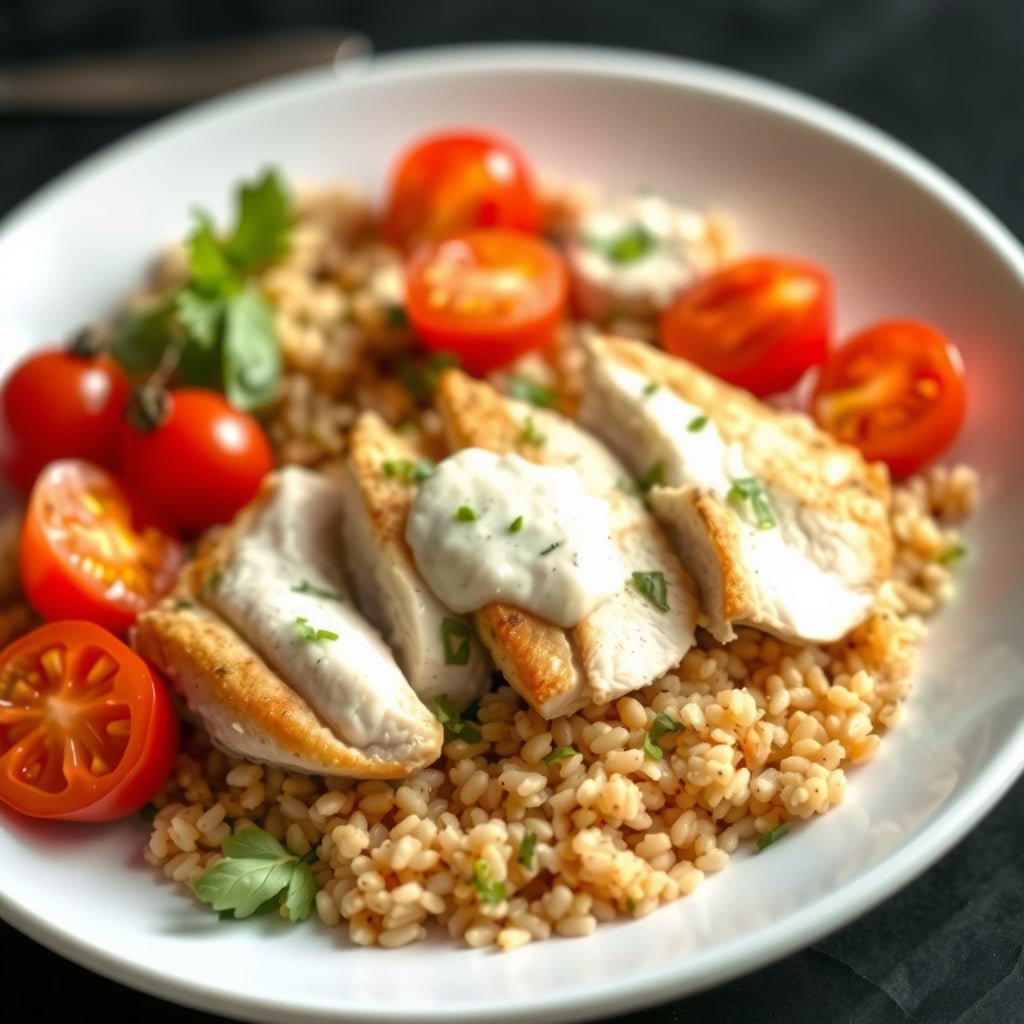
Mediterranean Chicken Grain Bowl with Lemon-Herb Tahini
45min
4
View Full Recipe →
Ready to simplify your meal planning?
Let OttoChef AI create personalized meal plans for your family in seconds.