
Nose-to-Tail Cooking: Transform Budget Cuts Into Culinary Gold
Learn how to use often-discarded meat cuts to save money and reduce waste. Master techniques for cooking offal, bones, and underutilized parts with confidence.
Lily Nakamura
Recipe Editor
February 10, 2026
9 min read
13 views
Every week, home cooks spend premium prices on familiar cuts while butchers quietly set aside some of the most flavorful, nutritious parts of the animal. Beef cheeks, chicken hearts, pork trotters, and lamb kidneys—these "odd bits" once formed the backbone of traditional cuisines worldwide. Today, embracing nose-to-tail cooking isn't just about saving money (though you'll save 40-70% compared to premium cuts). It's about honoring the animal, reducing waste, and discovering flavors that most modern cooks have never experienced.
The nose-to-tail philosophy, championed by chefs like Fergus Henderson, represents a return to how humans cooked for millennia. Before industrial agriculture and supermarket butchery, families used every part of the animal out of necessity and respect. The result? A rich culinary tradition that transforms humble ingredients into extraordinary dishes.
Understanding the Anatomy of Value
The cuts most people avoid fall into several categories, each requiring different techniques but offering remarkable rewards. Organ meats (offal) like liver, heart, and kidneys pack intense flavor and nutrients. Connective tissue-rich cuts such as shanks, cheeks, and oxtail become meltingly tender with slow cooking. Extremities like trotters and heads contain collagen that creates luxurious, silky sauces. And bones—often given away free—make liquid gold in the form of stock.
The Price Advantage
A pound of beef cheeks costs $4-6 compared to $15-20 for filet mignon, yet delivers deeper flavor and more satisfying texture when properly cooked. Chicken hearts run about $2 per pound versus $8-10 for breasts. These savings add up quickly for budget-conscious cooks.
The key to success with these cuts lies in understanding their structure. Premium cuts like ribeye or chicken breast are tender because those muscles do little work during the animal's life. The parts we typically discard worked hard—hearts pumped constantly, cheeks chewed endlessly, legs carried weight. This work creates tough muscle fibers and abundant connective tissue. But here's the secret: that same connective tissue, when cooked properly, transforms into gelatin that creates the most luxurious, satisfying textures in cooking.
"The parts of the animal that worked the hardest in life reward the cook who works hardest in the kitchen."
Traditional culinary wisdomMastering the Core Techniques
Success with underutilized cuts depends on matching the right technique to the meat's structure. Here's how to approach each category:
Low and Slow Braising
For connective tissue-rich cuts like beef shanks, pork shoulder, or lamb neck, braising breaks down collagen into gelatin over 2-4 hours at 300°F. Brown the meat first to develop flavor, then cook in liquid (stock, wine, or beer) that comes halfway up the sides. The meat is ready when it yields easily to a fork.
Quick, High-Heat Cooking
Organ meats like liver, kidneys, and heart need brief cooking to stay tender. Slice thinly, pat dry, and sear over high heat for 2-3 minutes per side. Overcooking turns them grainy and bitter. Think of cooking them like you would a rare steak.
Long Extraction
Bones, feet, and heads give up their treasures through extended simmering. Roast them first for deeper flavor, then simmer 4-12 hours with aromatics. The goal is extracting every bit of gelatin and mineral content into a rich stock that gels when chilled.
Grinding and Mixing
Tougher cuts become tender when ground. Mix different parts—meat, fat, and organ meat—to create burgers, sausages, and meatballs with complex flavor. A grinder attachment for your stand mixer costs $40 and opens endless possibilities.
Starting Your Nose-to-Tail Journey
Begin with the most approachable options before advancing to more challenging preparations. Beef or pork cheeks make an excellent entry point—they look like regular meat, cook like pot roast, but deliver superior flavor and texture. Braise them in red wine with aromatics until fork-tender, and you'll understand why chefs prize this cut.
Building Confidence
Start with chicken hearts, which taste like dark meat and cost almost nothing. Skewer them, marinate in soy sauce and garlic, and grill quickly. They're delicious, approachable, and will give you confidence to try more adventurous options.
Chicken and duck liver offer another friendly introduction to offal. Their mild flavor and creamy texture make them less intimidating than beef liver. Sauté quickly with shallots and deglaze with brandy for a classic preparation, or blend into pâté for an elegant appetizer that costs pennies.
Oxtail represents the perfect intersection of economy and luxury. Yes, it requires 3-4 hours of braising, but the resulting meat falls off the bone, and the cooking liquid becomes a sauce so rich and gelatinous it coats the spoon. Jamaican oxtail stew, Korean kkori gomtang, and Italian coda alla vaccinara all celebrate this humble cut.
The Soaking Myth
Many recipes tell you to soak liver or kidneys in milk to remove "off flavors." This is unnecessary with fresh, quality offal. The real key is sourcing from good butchers and cooking properly. Soaking can actually leach nutrients and flavor. If your offal smells strongly of ammonia, it's not fresh—don't buy it.
Cultural Traditions to Learn From
Every cuisine developed sophisticated techniques for these cuts. French cooking gave us pâté, terrine, and boudin noir. Chinese cuisine masters everything from pig ears to duck tongues. Mexican carnitas traditionally include various pork parts for textural complexity. Filipino sisig transforms pig face into a crispy, tangy delicacy. British cooking offers kidney pie and deviled kidneys. These aren't poverty foods—they're culinary achievements born from using the whole animal.
Japanese yakitori restaurants serve every part of the chicken on skewers: hearts (hatsu), gizzards (sunagimo), skin (kawa), and even the tail (bonjiri). Each part is seasoned and grilled to highlight its unique texture and flavor. This approach teaches us to appreciate variety rather than defaulting to breast meat.
The Nutrition Advantage
Organ meats are nutritional powerhouses. Liver contains more vitamin A, B12, and iron than any other food. Heart is rich in CoQ10 and taurine. Bone broth provides collagen, glycine, and minerals. Our ancestors instinctively knew what science now confirms: these parts are exceptionally nourishing.
Practical Sourcing Strategies
Finding these cuts requires building relationships with butchers. Most supermarkets don't stock them because of low demand, but butchers often have them in the back or can order them. Call ahead and ask about availability. Ethnic markets—Asian, Latin American, Eastern European—typically carry a wider variety of cuts and at better prices.
When buying, freshness matters enormously, especially for organ meats. They should smell clean and mild, never ammonious or sour. Color should be vibrant—deep red for liver, bright red for heart. For connective tissue cuts, look for good marbling and avoid anything that looks dried out.
Many farms selling directly to consumers offer "variety packs" that include these cuts at significant discounts. A quarter or half animal purchase gives you the full range of parts and often works out to $4-6 per pound for everything—far less than supermarket prices for premium cuts alone.
Freezer Strategy
These cuts freeze excellently. Buy in bulk when you find good prices, portion into meal-sized packages, and freeze for up to six months. Organ meats actually benefit from brief freezing, which breaks down cell walls slightly and can improve texture.
Overcoming the Mental Barrier
The biggest obstacle to nose-to-tail cooking isn't technique—it's psychology. We've been conditioned to view certain parts as "gross" while paying premium prices for others from the same animal. This is purely cultural programming. A child raised eating chicken hearts views them as normal and delicious, just as we view chicken breasts.
Start by reframing these ingredients. They're not "weird"—they're traditional. Not "cheap"—they're economical. Not "scary"—they're educational. Every culture that developed sophisticated cuisine mastered these parts. You're not eating strange food; you're joining a global culinary tradition that spans millennia.
The texture concerns many people have usually result from improper cooking. Liver becomes chalky when overcooked, not because liver is inherently unpleasant. Tough cuts stay tough when cooked too quickly. Learn the proper techniques, and these cuts will reveal why chefs seek them out.
The Sustainability Connection
Beyond budget benefits, nose-to-tail cooking addresses food waste. Currently, Americans utilize only about 60% of each animal, with the rest going to pet food, rendering, or waste. This inefficiency means we're raising more animals than necessary to meet our meat consumption. By utilizing more of each animal, we reduce the environmental impact of our diet without necessarily eating less meat.
This approach also supports better animal husbandry. When farmers can sell the whole animal for fair prices, they can afford to raise animals more humanely. The nose-to-tail philosophy aligns economic incentives with ethical treatment.
"Using the whole animal isn't just economical—it's a form of respect for the life that nourishes us."
Modern food ethicsBuilding Your Skill Set
As you develop confidence with these cuts, you'll notice your overall cooking skills improving. Learning to feel when braised meat is tender, to judge the doneness of liver by touch, to coax maximum flavor from bones—these skills transfer to all cooking. You'll develop a deeper understanding of how heat, time, and technique interact.
Keep a cooking journal noting what worked and what didn't. Beef cheeks at 300°F for 3 hours? Perfect. Kidneys cooked 5 minutes? Too long. This record becomes your personalized guide to mastering these cuts.
Experiment with different cuisines' approaches to the same cut. Make French-style braised beef tongue one month, then try Mexican lengua tacos the next. Compare Chinese stir-fried kidneys with British steak and kidney pie. This comparative approach teaches you the underlying principles that work across culinary traditions.
The Reward of Mastery
Once you've mastered nose-to-tail cooking, you'll find yourself saving hundreds of dollars monthly while eating better than ever. You'll create stocks so rich they gel solid in the refrigerator. You'll braise cheeks that melt on the tongue. You'll sear liver that's creamy inside with a caramelized crust. And you'll do it all while knowing you're honoring the animal, supporting sustainable practices, and connecting with centuries of culinary wisdom.
The transformation from squeamish to confident with these cuts doesn't happen overnight. Start small, be patient with yourself, and remember that every expert was once a beginner who simply kept practicing. The money you save can fund other culinary adventures—better olive oil, specialty spices, or that kitchen tool you've been eyeing.
Your journey into nose-to-tail cooking represents more than budget consciousness. It's about becoming a more complete, resourceful, and knowledgeable cook. It's about breaking free from the limited selection at the supermarket and discovering the full spectrum of flavors and textures that meat offers. Most importantly, it's about transforming humble ingredients into extraordinary meals—the very essence of great cooking.
Try This Recipe
Now that you've learned about nose-to-tail cooking: using often-discarded cuts, put your knowledge into practice with this recipe:
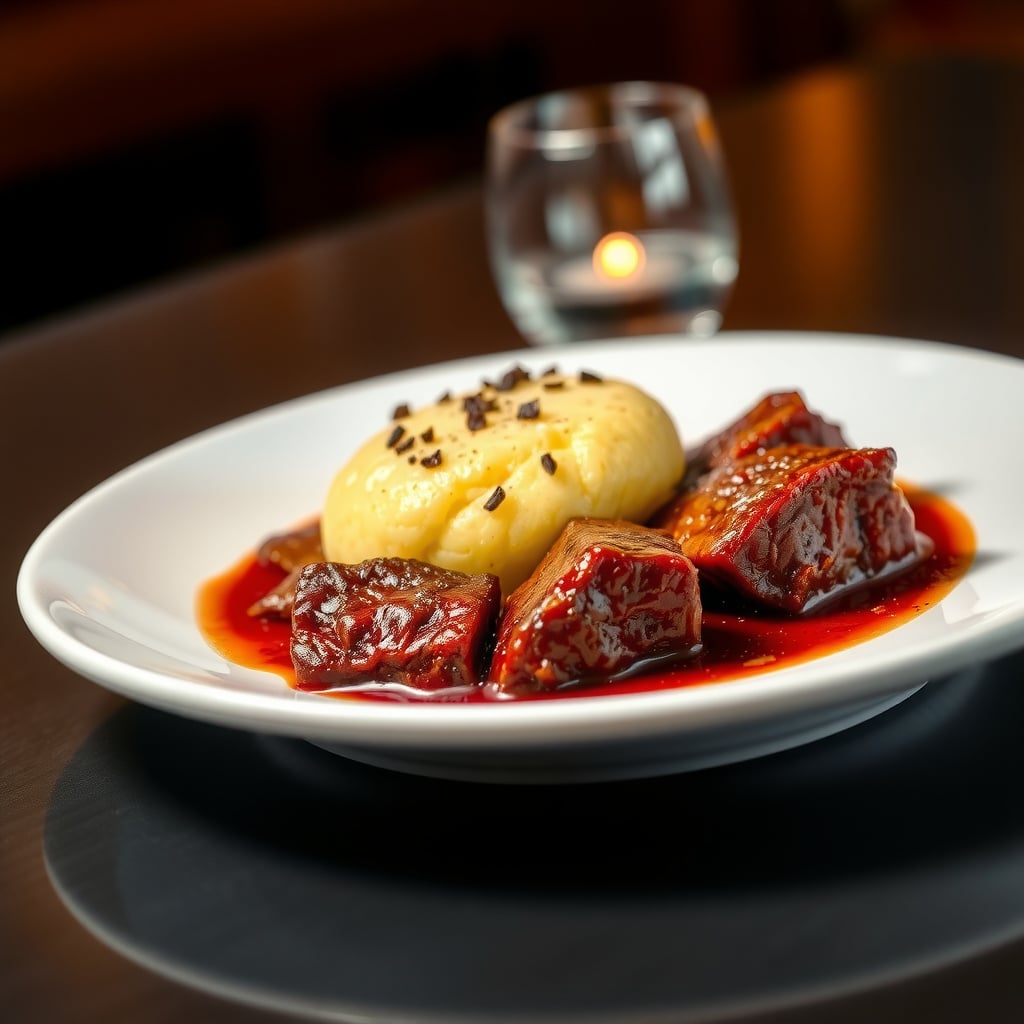
Red Wine Braised Beef Cheeks with Creamy Polenta
205min
4
View Full Recipe →
Ready to simplify your meal planning?
Let OttoChef AI create personalized meal plans for your family in seconds.