
Mollica: The Southern Italian Art of Toasted Breadcrumbs
Discover mollica, the traditional Southern Italian poor man's parmesan. Learn how to transform stale bread into a rich, crunchy pasta topping on a budget.
James Okonkwo
Food Writer
July 29, 2026
5 min read
7 views
Imagine sitting down to a steaming bowl of pasta, glistening with olive oil and garlic, but realizing your refrigerator is completely devoid of Parmigiano-Reggiano. For many home cooks, this is a minor culinary tragedy. For the historic cooks of Southern Italy, however, this exact scarcity birthed one of the most brilliant budget-friendly flavor enhancers in culinary history: mollica atturrata, often affectionately called "poor man's Parmesan."
This simple preparation of toasted, seasoned breadcrumbs provides the same savory, salty, and texturally satisfying contrast that expensive aged cheeses offer, but for a fraction of the cost. By mastering this technique, you can elevate simple pantry meals, reduce your household food waste, and connect with a rich tradition of resourceful Italian home cooking.
The History of Cucina Povera
To understand mollica, one must understand the culinary philosophy of southern regions like Sicily, Calabria, and Puglia. Historically, these areas faced deep economic hardships. Aged cheeses like Pecorino Romano and Parmigiano-Reggiano were luxury items, reserved for the wealthy or saved for special feast days.
The Origins of Cucina Povera
Cucina povera, literally "poor cooking," is the backbone of Italian cuisine. It emphasizes resourcefulness, using every scrap of food, and transforming humble ingredients like stale bread, wild greens, and offal into deeply satisfying meals.
Instead of going without a finishing touch on their pasta, creative home cooks looked to their breadboxes. Stale bread was never thrown away; it was ground into crumbs, toasted in olive oil, and seasoned to mimic the savory depth of grated cheese. Today, even though cheese is widely available, mollica remains a beloved staple because of the unique, unmatched texture and nutty flavor it brings to a dish.
“In the southern Italian kitchen, nothing is wasted, and necessity is the mother of the most delicious inventions.”
Traditional Sicilian ProverbThe Science of Texture and Flavor
What makes mollica such an effective substitute for cheese? It comes down to two culinary principles: contrast and umami.
Aged cheeses provide a savory saltiness (umami) and a slight structural contrast to soft pasta. Mollica achieves this through the Maillard reaction—the chemical reaction between amino acids and reducing sugars that gives browned food its desirable flavor. When you toast breadcrumbs in olive oil, they develop a complex, nutty flavor profile.
Furthermore, the physical crunch of toasted crumbs provides a brilliant sensory contrast to tender, al dente pasta. While cheese melts into the sauce, mollica sits on top, offering a delightful crackle with every bite.
Avoid Pre-Packaged Breadcrumbs
Store-bought canister breadcrumbs are too finely ground and often contain preservatives. They will absorb oil quickly and turn greasy rather than light and crispy. Always use stale, rustic bread for the best texture.
How to Make Perfect Mollica
Making mollica is incredibly simple, but it requires mindfulness. Because breadcrumbs can burn in a matter of seconds, you must stay close to the stove and use your senses of sight and smell to guide you.
Select and Grind the Bread
Use day-old or stale rustic bread, such as sourdough or a country loaf. Tear it into chunks and pulse in a food processor until you have coarse, uneven crumbs. You want a mix of tiny sandy bits and larger, crunchy pebbles.
Infuse the Oil
Heat high-quality extra virgin olive oil in a skillet over medium-low heat. Add gently smashed garlic cloves and optional chili flakes or anchovies, letting them infuse the oil for 1 to 2 minutes without browning the garlic.
Toast to Golden Perfection
Remove the garlic cloves if desired, then add the breadcrumbs to the skillet. Stir constantly to coat the crumbs evenly in oil. Cook over medium heat for 4 to 6 minutes until the crumbs are a deep golden-brown and fragrant.
Cool and Store
Immediately transfer the toasted crumbs to a plate or paper towel-lined bowl to stop the cooking process. Let them cool completely before storing in an airtight jar at room temperature for up to a week.
Elevating the Flavor Profile
While classic mollica consists of just bread, olive oil, and salt, you can easily customize the flavor profile depending on what you have in your pantry.
The Anchovy Hack
To mimic the deep umami and saltiness of Parmigiano-Reggiano, melt one or two anchovy fillets into the warm olive oil before adding your breadcrumbs. They will dissolve completely, leaving behind a rich, savory depth without any fishy taste.
If you want to keep the topping vegan but crave that cheesy, fermented funk, toss a tablespoon of nutritional yeast with the breadcrumbs immediately after they come off the heat. Other excellent additions include finely grated lemon zest for brightness, chopped fresh rosemary or thyme, or a pinch of smoked paprika for a modern twist.
How to Use Mollica in Your Daily Cooking
Once you have a jar of mollica on your counter, you will find endless ways to use it. It is, of course, traditional on pasta—particularly simple preparations like Agli, Olio e Peperoncino (garlic, oil, and hot pepper) or pastas featuring sardines, broccoli rabe, or cauliflower.
However, its utility goes far beyond pasta. Try scattering a generous handful of mollica over roasted vegetables, such as asparagus, Brussels sprouts, or roasted cauliflower, just before serving. It adds a wonderful crunch to creamy vegetable soups, acts as a brilliant binder for meatballs, and can be used to top baked fish or chicken breasts to create a quick, crispy crust.
By embracing the philosophy of cucina povera, you not only save money and reduce food waste, but you also unlock a simple, transformative technique that brings incredible texture and flavor to your cooking.
Try This Recipe
Now that you've learned about mollica: the southern italian art of using toasted breadcrumbs as poor man's parmesan, put your knowledge into practice with this recipe:
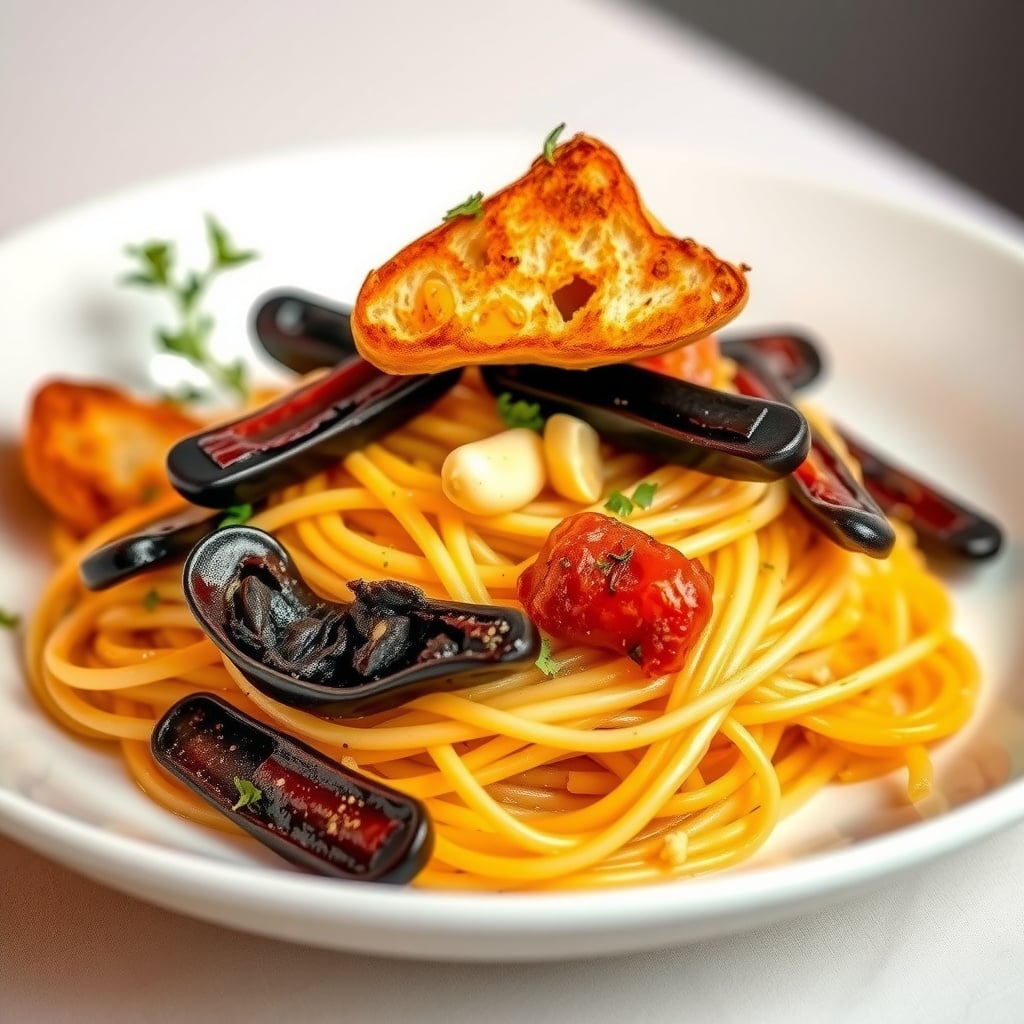
Sicilian Spaghetti with Anchovies and Crispy Mollica
30min
4
View Full Recipe →
Ready to simplify your meal planning?
Let OttoChef AI create personalized meal plans for your family — free to use, no credit card.