
Mise en Place: The French Technique That Will Transform Your Cooking
Learn how mise en place—the professional chef's secret to organized cooking—can eliminate kitchen chaos and make you a more confident, efficient home cook.
Emma Chen
Recipe Developer
March 6, 2026
7 min read
6 views
You've probably experienced it: you're halfway through a recipe when you realize the garlic needs mincing, the onions aren't chopped, and you're not even sure if you have cumin. The pan is already hot, something's starting to burn, and suddenly cooking feels like controlled chaos rather than an enjoyable activity.
This is exactly what mise en place prevents. The French culinary term literally translates to "everything in its place," but it represents far more than simple organization. It's a complete approach to cooking that professional chefs rely on—and one that can revolutionize how you work in your home kitchen.
Understanding Mise en Place Beyond Organization
In professional kitchens, mise en place isn't optional—it's the foundation of every service. Before a single order comes in, chefs have prepped, measured, and organized every ingredient they'll need. But the philosophy extends beyond just chopping vegetables ahead of time.
Mise en place is a mindset. It's about reading a recipe completely before you start, understanding the flow of cooking, and setting yourself up for success. When you practice true mise en place, you're not just preparing ingredients—you're preparing yourself mentally for the cooking process ahead.
Professional Origins
Mise en place became formalized in French culinary training during the 19th century, when chef Auguste Escoffier revolutionized kitchen organization. He created the brigade system and emphasized that preparation was just as important as execution. Today, culinary schools worldwide teach mise en place as a fundamental skill before students ever touch a stove.
The benefits extend far beyond efficiency. When everything is prepped and ready, you can focus on technique. You notice when the onions are perfectly caramelized. You can adjust seasoning thoughtfully. You're cooking with intention rather than rushing to keep up.
The Core Elements of Mise en Place
Implementing mise en place involves three distinct phases that work together to create a seamless cooking experience.
Read and Plan
Read your recipe completely—twice. The first time, read for understanding. The second time, identify every ingredient, tool, and technique you'll need. Note any steps that happen simultaneously or require precise timing.
Prep Your Ingredients
Wash, peel, chop, measure, and organize everything before you turn on the heat. Group ingredients by when they'll be added to the dish. If garlic and ginger go in together, keep them in the same small bowl.
Organize Your Workspace
Set out the tools you'll need: pans, utensils, measuring spoons. Clear your workspace of anything you won't use. Position ingredients in the order you'll need them, creating a logical flow from left to right.
"Mise en place is the religion of all good line cooks. As a cook, your station, and its level of readiness, is a reflection of you."
Anthony BourdainPractical Application for Home Cooks
You don't need a professional kitchen to benefit from mise en place. Start by applying it to dishes with multiple components or tight timing—stir-fries, risottos, or any recipe where ingredients get added in quick succession.
For a weeknight stir-fry, this means having your protein sliced, vegetables cut to uniform sizes, aromatics minced, and sauce mixed before the wok gets hot. Stir-frying happens fast—often just 5-7 minutes of active cooking. If you're chopping vegetables while the wok is heated, you'll end up with unevenly cooked food and a stressful experience.
Start Small
If full mise en place feels overwhelming, begin with just the aromatics. Having garlic, ginger, onions, and herbs prepped before you start cooking will immediately reduce your stress level and improve your results. Build from there as the habit develops.
The investment in prep time pays dividends. Yes, you might spend 15 minutes chopping and measuring before you cook, but the actual cooking becomes faster, more controlled, and more enjoyable. You'll make fewer mistakes, waste less food, and produce more consistent results.
Tools and Containers That Support the Practice
The right tools make mise en place more practical for everyday cooking. You don't need expensive equipment, but a few key items help:
Small prep bowls (often called "mise bowls" or ramekins) are essential. A set of 2-4 ounce glass or ceramic bowls lets you portion out spices, aromatics, and small-quantity ingredients. They're dishwasher-safe and stackable.
Quarter sheet pans provide a stable surface for organizing multiple prep bowls. You can arrange everything you need for a recipe on one tray, then move it to your cooking station.
A bench scraper helps transfer chopped ingredients quickly from cutting board to bowl, keeping your workspace clean and efficient.
The Wet Ingredient Exception
While dry ingredients and chopped vegetables can sit out during prep, protein and dairy need special attention. Keep raw meat, fish, and dairy refrigerated until just before cooking. Prep these items first, store them safely, then move on to vegetables and aromatics.
Adapting Mise en Place to Different Cooking Styles
The principle adapts beautifully across cuisines and cooking methods. Indian cooking, with its complex spice blends and layered flavors, becomes significantly more manageable when you toast and grind spices beforehand, prep your onion-ginger-garlic paste, and measure out your garam masala before you start tempering.
For baking—where precision matters even more—mise en place is non-negotiable. Professional bakers weigh and organize every ingredient before mixing begins. This prevents the common home baker's nightmare of discovering you're out of baking powder when the batter is half-mixed.
Even simple weeknight pasta benefits from the approach. Having your pasta water boiling, sauce components ready, cheese grated, and herbs chopped means you can focus on building flavor and achieving the perfect texture rather than scrambling to multitask.
The Mise en Place Mindset for Meal Prep
Apply this philosophy to your weekly meal prep sessions. Designate one day to wash and chop vegetables, cook grains, prep proteins, and mix sauces. Store everything in clear containers, labeled and organized by meal. You're essentially creating mise en place for your entire week, making weeknight cooking as simple as assembling and heating.
Common Mistakes and How to Avoid Them
The most frequent error is incomplete prep—starting to cook when ingredients are only partially ready. This defeats the entire purpose. If a recipe requires minced garlic, don't just peel the cloves and tell yourself you'll mince them "when needed." Complete the task.
Another pitfall is over-prepping too far in advance. Some ingredients deteriorate when cut and exposed to air. Apples and avocados brown, herbs wilt, and certain vegetables lose moisture. For most dishes, prep immediately before cooking. For meal prep scenarios, research which ingredients hold well and which need last-minute preparation.
Some home cooks also struggle with the mental shift mise en place requires. It feels counterintuitive to spend time on prep when you're hungry and want to eat. But this is short-term thinking. The actual cooking time decreases, the quality improves, and the experience becomes more enjoyable.
Restaurant Reality
In professional kitchens, cooks often spend 60-70% of their shift on mise en place and only 30-40% on actual cooking during service. This ratio reflects the profession's understanding that thorough preparation is the key to consistent execution under pressure.
Building the Habit
Like any skill, mise en place becomes easier with practice. Start by choosing one or two meals per week where you commit to complete mise en place. Notice how it changes your cooking experience. Pay attention to the reduced stress, the improved timing, and the better results.
As the habit develops, you'll find yourself naturally thinking in terms of preparation and execution. You'll read recipes differently, anticipating what needs to be ready before you begin. Your kitchen workflow will become smoother, more intuitive.
The transformation isn't just about cooking better food—though that's certainly a benefit. It's about approaching cooking with the calm confidence of someone who's prepared, organized, and ready to focus on technique and flavor rather than frantically trying to keep up.
Mise en place teaches us that the quality of our preparation directly influences the quality of our results. In cooking, as in many aspects of life, success is built on thoughtful preparation. When everything is in its place, you're free to cook with creativity, precision, and joy.
Try This Recipe
Now that you've learned about the art of mise en place and why it transforms your cooking, put your knowledge into practice with this recipe:
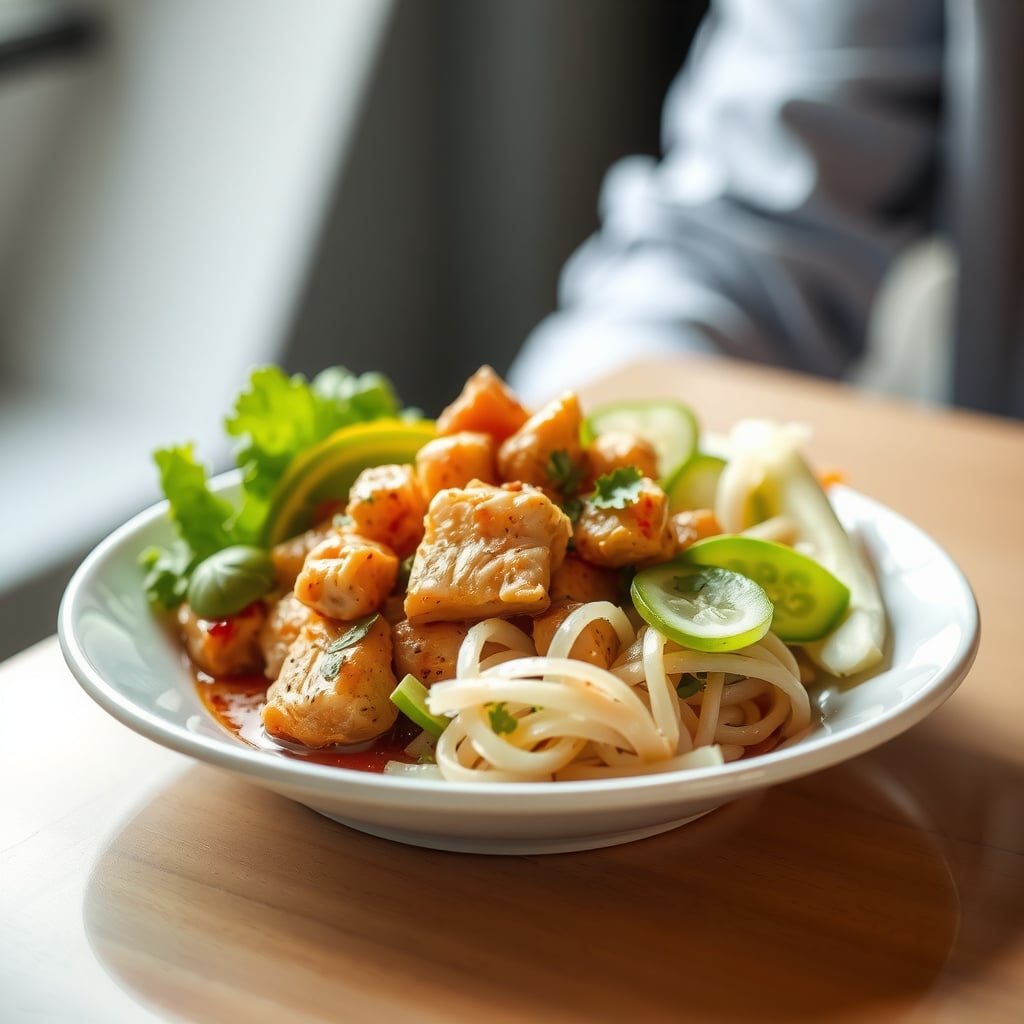
Vietnamese-Inspired Chicken Bánh Mì Bowl
40min
4
View Full Recipe →
Ready to simplify your meal planning?
Let OttoChef AI create personalized meal plans for your family in seconds.