
Mise en Place: The French Secret to Stress-Free Cooking
Discover how mise en place, the professional chef's organizing technique, can transform your home cooking from chaotic to calm and dramatically improve your results.
James Okonkwo
Food Writer
February 1, 2026
8 min read
4 views
Picture this: You're halfway through making dinner when you realize the garlic needs mincing, the onions aren't chopped, and you can't find the paprika. The pan is smoking, something's burning, and you're frantically searching through cabinets. We've all been there—and there's a better way.
Professional chefs have a secret weapon that separates restaurant kitchens from home cooking chaos: mise en place (pronounced "meez-ahn-plahs"). This French phrase literally means "everything in its place," but it represents so much more than simple organization. It's a cooking philosophy that transforms how you approach every meal, reducing stress while dramatically improving your results.
Etymology & History
The term "mise en place" has been used in professional French kitchens since the early 20th century. Chef Auguste Escoffier, who revolutionized kitchen organization, emphasized this practice as fundamental to efficient cooking. Today, it's taught in every culinary school worldwide.
What Mise en Place Really Means
At its core, mise en place is the practice of preparing and organizing all your ingredients and tools before you start cooking. This means vegetables are chopped, spices are measured, proteins are trimmed, and everything is arranged within arm's reach. But the philosophy goes deeper than mere prep work—it's about creating a mindset of readiness, focus, and intentionality.
When you practice proper mise en place, you're not just chopping vegetables early. You're reading the entire recipe, understanding the cooking process, identifying potential challenges, and setting yourself up for success. It's the difference between reacting to cooking and being in control of it.
Why It Transforms Your Cooking
Timing Becomes Effortless
Many recipes require precise timing—add the garlic 30 seconds before the tomatoes, or deglaze the pan immediately after removing the protein. When you're scrambling to prep ingredients mid-recipe, you'll miss these crucial windows. With mise en place, you're ready to add each ingredient at exactly the right moment, resulting in better-developed flavors and proper technique execution.
Start Small
If mise en place feels overwhelming, start with just one meal per week. Choose a recipe with multiple components—like a stir-fry or pasta dish—and experience the difference. Once you feel the benefits, you'll naturally want to apply it more broadly.
Mental Clarity Reduces Errors
Cooking is as much mental as physical. When your mind is juggling ten tasks—"Did I add the salt? How much garlic goes in? Where's the wooden spoon?"—mistakes happen. Mise en place clears this mental clutter. With everything prepped and visible, you can focus entirely on technique: the sizzle of the pan, the aroma development, the perfect moment to flip.
"Mise en place is not just about organization—it's about creating the mental space to cook intuitively and respond to what's happening in the pan."
Chef Thomas KellerYou'll Actually Enjoy Cooking More
Stress is the enemy of enjoyment. When you're constantly behind, frantically chopping while something overcooks, cooking feels like a chore. Mise en place transforms cooking into a calm, almost meditative practice. You can sip wine, listen to music, and actually savor the process. The cooking itself becomes quicker and more fluid, like a choreographed dance rather than a frantic scramble.
How to Implement Mise en Place at Home
Read the Entire Recipe
Before touching a single ingredient, read the recipe from start to finish. Note the cooking times, techniques, and when each ingredient is added. This mental roadmap is crucial.
Gather Everything You Need
Pull out all ingredients, measuring tools, pots, pans, and utensils. If you discover you're missing something, you'll know before you start cooking, not when the pan is already hot.
Prep Your Ingredients
Chop all vegetables, measure all spices and liquids, trim proteins, and mince aromatics. Professional chefs use small bowls or ramekins for each ingredient, but you can also group similar ingredients together or use a plate with small piles.
Organize by Order of Use
Arrange your prepped ingredients in the order they'll be added to the dish. Items that go in first should be closest to your dominant hand, creating an efficient workflow.
Set Up Your Cooking Station
Have a trash bowl nearby for scraps, a damp towel for wiping hands, and your tools within reach. This is your cooking "cockpit"—everything should be accessible without moving your feet.
The 10-Minute Rule
If your recipe takes 30 minutes total, don't spend 45 minutes on mise en place. For home cooking, prep time should generally equal or be less than cooking time. As you improve, you'll become more efficient at both.
Adapting Mise en Place to Real Life
You don't need a professional kitchen or dozens of tiny bowls to practice mise en place. Here's how to make it practical for everyday cooking:
Use What You Have
Small plates, saucers, or even paper towels can hold prepped ingredients. A muffin tin is perfect for organizing spices and aromatics for complex dishes. Mason jar lids, ramekins from yogurt containers, or small Tupperware all work beautifully.
Batch Your Prep
When chopping onions, chop extra and store them in the fridge for later meals. Mince a whole head of garlic at once. Wash and prep all your weekly vegetables on Sunday. This "mega mise en place" approach saves time throughout the week.
Prep While Things Cook
For simple weeknight meals, you can practice "rolling mise en place." While pasta water comes to a boil (10 minutes), prep your sauce ingredients. While rice cooks (20 minutes), prepare your stir-fry components. The key is staying ahead of the actual cooking.
The Trash Bowl Trick
Keep a large bowl on your counter for vegetable scraps, packaging, and waste. This eliminates constant trips to the trash can and keeps your workspace cleaner. Professional kitchens always have trash bowls—it's a game-changer for efficiency.
Beyond the Kitchen: Mise en Place as Philosophy
Interestingly, mise en place has transcended cooking to become a life philosophy. The principles—preparation, organization, focus, and readiness—apply to any complex task. Many chefs credit their success in business and life to lessons learned through mise en place discipline.
In your kitchen, this philosophy means:
- Respect for ingredients: When everything is prepped and visible, you're less likely to waste food
- Respect for the process: Cooking becomes intentional rather than haphazard
- Respect for yourself: You deserve to cook in a calm, organized environment
- Respect for others: If cooking for family or guests, you can be present and engaged rather than stressed
The Productivity Connection
Studies in restaurant kitchens show that proper mise en place reduces cooking time by 30-40% and mistakes by over 50%. These efficiency gains translate directly to home cooking, meaning better food in less time.
Common Mise en Place Mistakes to Avoid
Even with the best intentions, home cooks often stumble with mise en place:
Over-prepping Simple Dishes
Scrambled eggs don't need elaborate mise en place. Save the full treatment for complex recipes with multiple components and precise timing. A simple pasta with garlic and oil might only need garlic minced and cheese grated.
Prepping Too Far in Advance
Some ingredients deteriorate when prepped early. Cut apples brown, minced garlic can become bitter, and fresh herbs wilt. Prep these items last, or use techniques like storing cut apples in acidulated water to prevent oxidation.
Forgetting About Temperature
Part of mise en place is having ingredients at the right temperature. Proteins often cook better at room temperature, while butter for pastry should be cold. Build these requirements into your prep timeline.
The Garlic Exception
While mise en place is usually beneficial, garlic is one ingredient that can suffer from early prep. Minced garlic develops a sharper, sometimes bitter flavor when exposed to air for too long. If your recipe uses raw garlic or adds it near the end, mince it last.
Making It Stick: Building the Habit
Like any new practice, mise en place requires conscious effort before it becomes automatic. Start with one meal per week where you commit to full mise en place. Notice how it feels—the calm, the control, the improved results.
Many home cooks report that once they experience truly organized cooking, they can't go back to the old chaotic way. The investment in prep time pays dividends in cooking quality, reduced stress, and genuine enjoyment of the process.
The beauty of mise en place is that it scales perfectly. Whether you're making a simple weeknight dinner or an elaborate holiday feast, the principles remain the same: read, gather, prep, organize, cook. Master this approach, and you'll find that cooking—even complex, multi-course meals—becomes not just manageable but genuinely pleasurable.
Your kitchen is about to become a much calmer, more productive place. Everything in its place, everything ready, everything under control. That's the transformative power of mise en place.
Try This Recipe
Now that you've learned about the art of mise en place and why it transforms your cooking, put your knowledge into practice with this recipe:
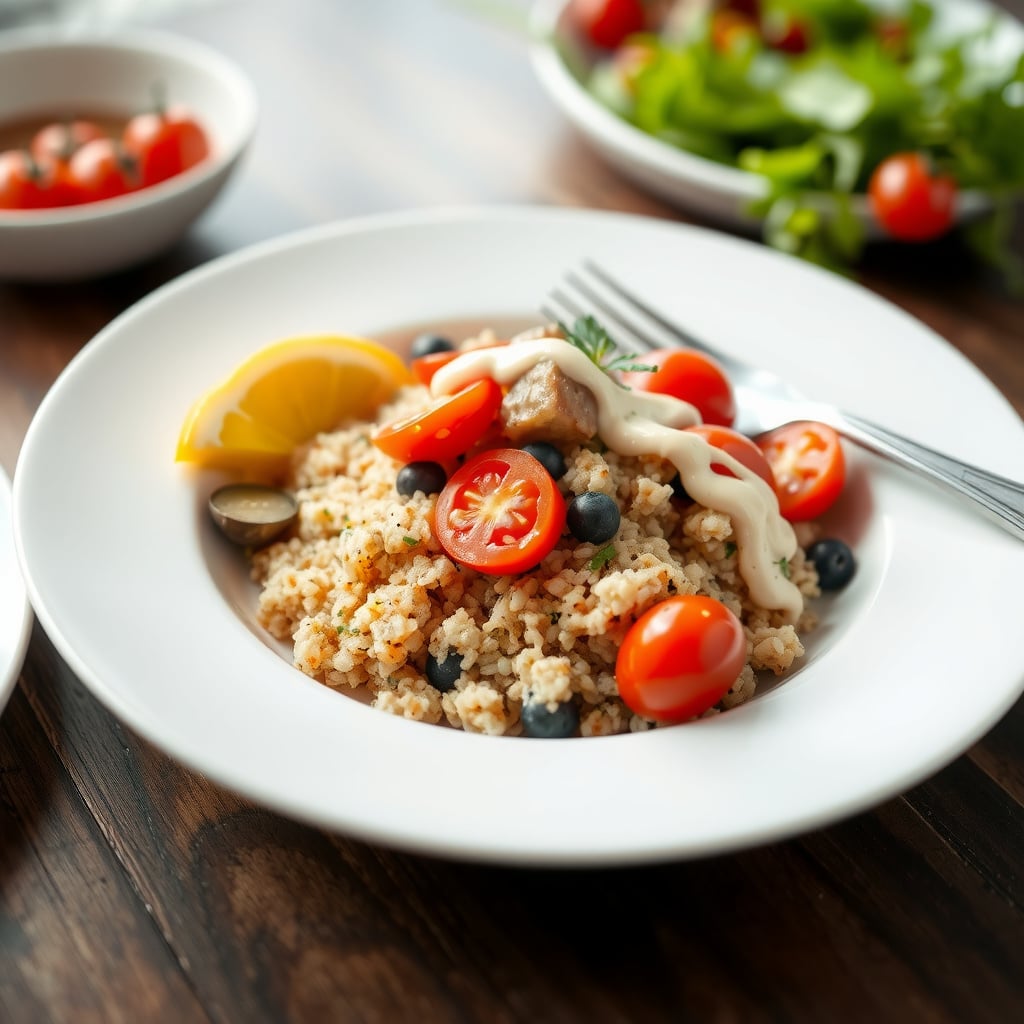
Mediterranean Grain Bowl with Herb-Tahini Dressing
45min
4
View Full Recipe →
Ready to simplify your meal planning?
Let OttoChef AI create personalized meal plans for your family in seconds.