
Mise en Place: The French Secret to Effortless, Stress-Free Cooking
Discover how mise en place—the professional chef's preparation method—can transform your home cooking from chaotic to confident. Learn practical tips to cook faster and better.
Lily Nakamura
Recipe Editor
February 13, 2026
8 min read
8 views
You're following a recipe that looks straightforward. Fifteen minutes, it promises. But halfway through, you're frantically mincing garlic while something burns on the stove, you can't find the paprika, and you're pretty sure you forgot to measure the broth. Sound familiar?
This is the chaos that mise en place eliminates. This French culinary term—literally "everything in its place"—represents more than just a preparation technique. It's a complete philosophy that professional chefs swear by, and once you understand it, you'll wonder how you ever cooked without it.
Understanding Mise en Place
In professional kitchens, mise en place is sacred. Before service begins, every ingredient is prepped, measured, and arranged within arm's reach. Onions are diced, herbs are chopped, sauces are ready, and proteins are portioned. When the dinner rush hits, chefs aren't scrambling to find ingredients—they're cooking with precision and confidence.
The beauty of mise en place isn't just about having things ready. It's about creating a mental clarity that allows you to focus on the actual cooking—the heat, the timing, the technique—rather than the logistics of finding and preparing ingredients mid-recipe.
The Etymology of Excellence
The term "mise en place" dates back to the early days of French haute cuisine. Auguste Escoffier, the legendary chef who revolutionized professional cooking in the early 1900s, championed this organizational system as fundamental to culinary success. He understood that great cooking requires both skill and structure.
Why Mise en Place Transforms Home Cooking
When you adopt mise en place, three profound shifts occur in your cooking:
First, you eliminate stress. Instead of cooking in a state of controlled panic, you move through recipes with calm confidence. Your mise en place becomes your safety net—everything you need is already prepared and waiting.
Second, you improve timing. Ever had perfectly cooked pasta sitting in a colander while you frantically finish the sauce? With mise en place, all components come together exactly when they should. Your garlic hits the hot oil at the precise moment, your aromatics are ready the instant you need them, and nothing overcooks while you're chopping something else.
Third, you actually become a better cook. When you're not distracted by prep work, you can focus on what's happening in the pan. You notice when the onions reach perfect translucency, you hear the change in sizzle that signals the right temperature, and you develop the intuition that separates good cooks from great ones.
"Mise en place is the difference between cooking as a chore and cooking as a craft."
Thomas Keller, The French LaundryThe Core Principles of Mise en Place
Read and Visualize First
Before you touch a single ingredient, read the entire recipe. Not just skimming—really reading. Understand the flow, identify the critical moments, and visualize the finished dish. This mental walkthrough reveals what needs to be ready when.
Ask yourself: When does the garlic go in? How finely should the herbs be chopped? Does anything need to come to room temperature? This preview prevents mid-recipe surprises.
Prep Everything Before Heat
This is the golden rule: no ingredient touches a hot pan until everything is prepped. Everything.
Gather Your Ingredients
Pull out every ingredient the recipe calls for. This simple act reveals if you're missing something before you're halfway through cooking.
Prepare Each Component
Chop, dice, mince, measure, and portion everything according to the recipe. If multiple ingredients go in at the same time, you can combine them in one small bowl.
Organize by Timing
Arrange your prepped ingredients in the order they'll be used. Items that go in first should be closest to the stove.
Prep Your Tools
Get out the pans, spoons, and equipment you'll need. Preheat the oven if necessary. Everything should be ready before you turn on the heat.
The Small Bowl Strategy
Invest in a set of small glass or metal prep bowls (2-4 oz size). They're inexpensive, stackable, and transform your mise en place practice. You'll use them constantly once you have them.
Practical Mise en Place for Home Cooks
You don't need a professional kitchen to practice mise en place effectively. Here's how to adapt it for home cooking:
Start Small and Strategic
You don't need to prep everything for every meal. Start with recipes that have critical timing—stir-fries, sautés, and dishes where things move quickly. These benefit most from mise en place because there's no time to prep once cooking begins.
For slower-cooking dishes like braises or soups, you can adopt a modified approach: prep ingredients that go in together, then continue prepping the next batch while the first one cooks.
Create Your Prep Station
Designate a specific area as your prep zone—ideally near your cutting board with easy access to the trash and compost. Keep this space clear of everything except what you're actively prepping. This physical organization creates mental clarity.
Have a small bowl or container for scraps. Professional kitchens use a "bench bowl" for this purpose, and it's a game-changer for maintaining a clean, efficient workspace.
The Biggest Mistake
Don't confuse mise en place with making cooking take longer. Yes, you're spending time prepping upfront, but you're actually saving time overall. A stir-fry with mise en place takes 20 minutes total (15 prep, 5 cooking). Without it, you're looking at 30-40 minutes of chaotic, stressful cooking with worse results.
The Grouping Strategy
Group ingredients that go into the dish at the same time. If a recipe calls for onions, carrots, and celery sautéed together as a base (the classic mirepoix), you can place them in one bowl. This reduces the number of containers you need and streamlines the cooking process.
Similarly, if garlic and ginger both go in after 30 seconds, combine them. Your mise en place should serve you, not create unnecessary complexity.
Building Your Mise en Place Habit
Like any skill, mise en place becomes second nature with practice. Here's how to build the habit:
Week One: Practice with one meal that intimidates you slightly. Something with multiple components or tight timing. Do complete mise en place—everything prepped before you start cooking. Notice how different it feels.
Week Two: Expand to three meals this week. Start developing your own system for how you arrange ingredients and which bowls you use for what.
Week Three: Begin adapting mise en place to different types of cooking. Notice which dishes benefit most from full prep versus modified approaches.
The Weekend Advantage
Sunday meal prep isn't just about cooking full meals—it's about creating mise en place for the week. Chop onions, mince garlic, portion proteins, and wash greens. Store them properly, and your weeknight cooking becomes exponentially easier.
Beyond the Kitchen
Here's where mise en place becomes truly transformative: it's not just a cooking technique, it's a life philosophy. Chefs who embrace mise en place find that its principles—preparation, organization, and intentionality—extend far beyond the kitchen.
When you approach tasks with a mise en place mindset, you're asking: What do I need? What's the sequence? What can I prepare in advance? This thinking reduces stress and increases effectiveness in any domain.
But let's bring it back to cooking, because that's where the magic happens most tangibly.
The Confidence Factor
Perhaps the most profound benefit of mise en place is the confidence it builds. When everything is prepped and ready, you stop cooking defensively (hoping nothing goes wrong) and start cooking expressively (making intentional choices about heat, timing, and technique).
You're no longer a recipe follower—you're a cook. You can adjust on the fly, taste and correct seasoning, and even improvise because your mind isn't cluttered with logistical concerns.
Professional Speed, Home Kitchen Style
Professional chefs aren't faster because they have superior knife skills (though that helps). They're faster because mise en place eliminates all the dead time—searching for ingredients, measuring mid-recipe, and recovering from mistakes. You can achieve the same efficiency at home.
Making It Stick
The transition to mise en place thinking doesn't happen overnight, and that's okay. Start with these commitments:
- Always read the recipe first. Always. No exceptions.
- Prep your aromatics before turning on heat. Garlic, onions, ginger—these go in hot pans quickly. Have them ready.
- Use small bowls without shame. Yes, it creates dishes. It also creates better cooking and less stress. That's a worthy trade.
- Give yourself extra time at first. Your initial mise en place sessions will feel slower. Trust the process. Speed comes with practice.
Remember: professional chefs don't use mise en place because they have time to spare—they use it because they don't. It's the most efficient way to cook, period.
Your First Mise en Place Challenge
Tonight or this weekend, choose one recipe that typically stresses you out. It could be a stir-fry, a pasta dish with multiple components, or anything where timing feels tight. This time, do it differently:
Read the recipe twice. Pull out every ingredient. Prep everything completely—chopped, measured, and ready. Arrange it in order of use. Clean your workspace. Then, and only then, turn on the heat.
Cook the dish and notice what's different. Notice how you feel. Notice what you're able to pay attention to that you usually miss. Notice how the food tastes when you're cooking with intention rather than chaos.
This is mise en place. This is cooking as it's meant to be—focused, intentional, and genuinely enjoyable. Once you experience it, you'll never want to cook any other way.
The French have known this secret for centuries. Now you know it too. Everything in its place, and a place for everything. That's not just good cooking—that's good living.
Try This Recipe
Now that you've learned about the art of mise en place and why it transforms your cooking, put your knowledge into practice with this recipe:
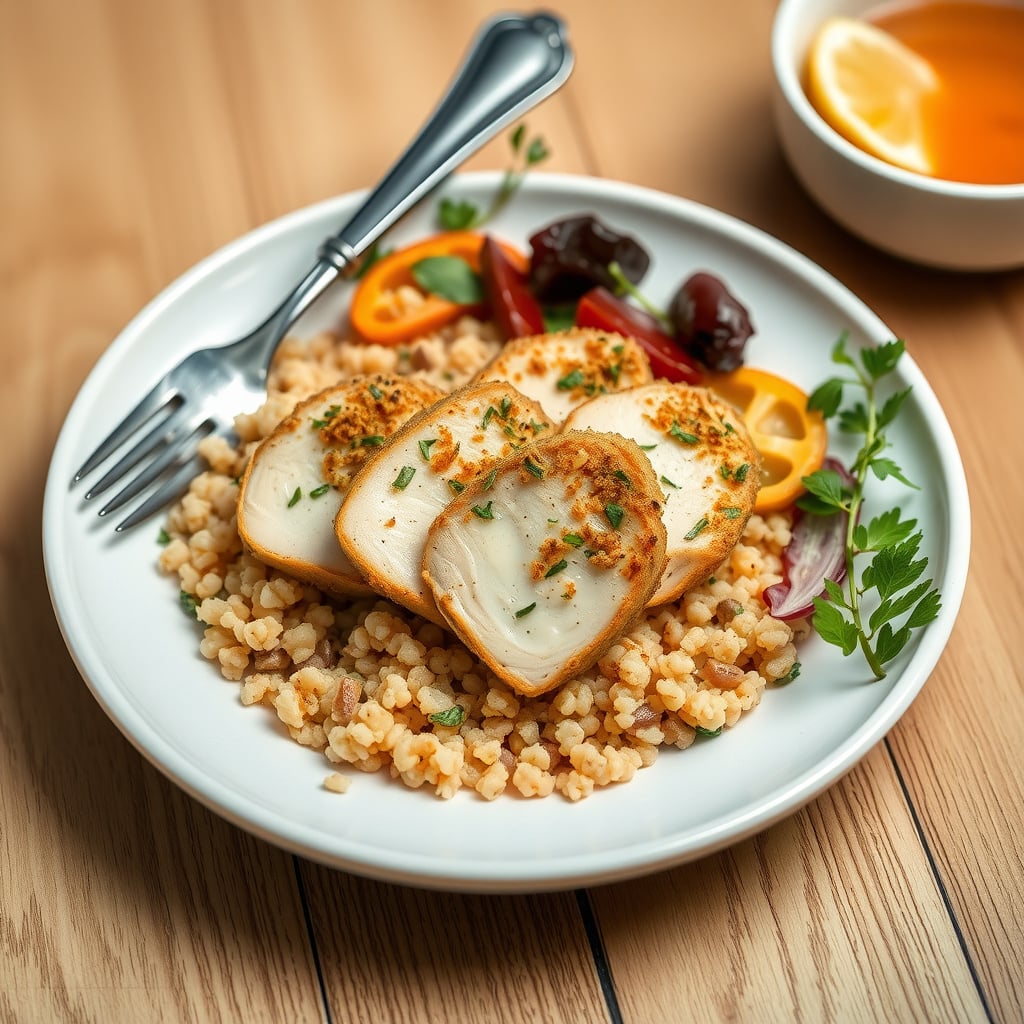
Mediterranean Grain Bowl with Herb-Crusted Chicken
45min
4
View Full Recipe →
Ready to simplify your meal planning?
Let OttoChef AI create personalized meal plans for your family in seconds.