
Maximizing Flavor While Reducing Sodium: A Science-Based Guide
Learn professional techniques to create intensely flavorful dishes with less salt. Discover umami boosters, acid balance, aromatics, and layering strategies that work.
Sarah Mitchell
Test Kitchen Director
April 27, 2026
8 min read
4 views
Most home cooks face a frustrating paradox: health guidelines recommend reducing sodium, but salt seems essential for making food taste good. The truth is more nuanced. While sodium does enhance flavor, it's just one tool in a much larger flavor-building toolkit that professional chefs use daily.
The key isn't eliminating salt entirely—it's understanding how to amplify other flavor dimensions so you need less sodium to achieve satisfying, crave-worthy results. Let's explore the science and techniques that make this possible.
Understanding Salt's Role in Flavor
Before reducing sodium, it's worth understanding what salt actually does. Sodium ions suppress bitterness, enhance sweetness, and help aromatic compounds reach your taste receptors more effectively. This is why a pinch of salt makes chocolate taste more chocolatey and tomatoes taste more like themselves.
But here's what many cooks don't realize: salt is a flavor enhancer, not a flavor creator. If your dish lacks depth, adding more salt won't fix it—you'll just end up with salty, one-dimensional food.
The Sodium Reduction Sweet Spot
Research shows most people can reduce sodium by 25-30% without noticing a difference in taste, provided other flavors are properly developed. This gradual reduction also allows your palate to recalibrate, making you more sensitive to nuanced flavors over time.
The Umami Advantage
Umami—the savory, mouth-filling fifth taste—is your most powerful ally when reducing sodium. Foods rich in glutamates and nucleotides trigger the same satisfaction receptors as salt, creating a sense of completeness and depth.
Natural umami powerhouses include:
- Mushrooms (especially dried shiitake, porcini, and cremini)
- Tomato paste and sun-dried tomatoes
- Aged cheeses (Parmesan, aged cheddar, Gruyère)
- Fermented foods (miso, soy sauce, fish sauce—use sparingly)
- Nutritional yeast (adds cheesy, savory notes)
- Seaweed (kombu, nori, dulse)
- Anchovies (they dissolve into dishes, adding depth without fishiness)
The technique here is layering. Instead of relying on one umami source, combine two or three. A tomato-based sauce with mushrooms and Parmesan creates exponentially more savory depth than any single ingredient alone.
Umami Paste for Your Fridge
Blend dried mushrooms, tomato paste, a small amount of miso, and garlic into a concentrated paste. Store in your refrigerator and add a teaspoon to soups, stews, and sauces for instant depth without significant sodium.
Acid: The Overlooked Flavor Brightener
Acid performs a similar role to salt—it brightens flavors and makes them more pronounced. The difference is that acid adds its own distinct character while enhancing other tastes.
Different acids bring different qualities:
- Lemon and lime juice: Bright, clean, fresh
- Vinegars: Complex, with subtle sweetness (balsamic, sherry, apple cider)
- Wine: Adds acidity plus aromatic compounds
- Yogurt and buttermilk: Creamy acidity with body
- Tamarind: Sweet-sour complexity
The timing of acid matters. Adding it early in cooking helps tenderize proteins and vegetables, while finishing with a splash of fresh lemon juice or vinegar brightens the entire dish just before serving.
"When you think you need more salt, try adding acid first. You'll be surprised how often a squeeze of lemon solves what you thought was a salt problem."
Chef Samin NosratAromatic Layering: Building Flavor From the Ground Up
Professional kitchens build flavor in layers, starting with aromatic vegetables and building complexity at each stage. This technique, often called a flavor base or soffritto (Italian), mirepoix (French), or holy trinity (Cajun), creates depth that reduces the need for salt.
Start with Aromatics
Heat fat (olive oil, butter, or ghee) and cook onions, garlic, celery, carrots, or peppers until they release their sugars and develop color. This caramelization creates hundreds of new flavor compounds.
Add Spices at the Right Time
Toast whole spices in the aromatic fat to bloom their essential oils. Ground spices should be added after aromatics soften to prevent burning but early enough to lose their raw edge.
Build with Liquids
Deglaze with wine, stock, or even water to capture the browned bits (fond) stuck to the pan—this is concentrated flavor gold.
Finish with Fresh Elements
Add fresh herbs, citrus zest, or a drizzle of high-quality oil at the end to provide bright top notes that make the dish feel complete.
The Power of Texture and Temperature Contrast
Flavor isn't just taste—it's a multisensory experience. Incorporating textural contrast makes dishes more interesting and satisfying, reducing the reliance on salt for impact.
Consider adding:
- Crunch: Toasted nuts, seeds, crispy shallots, or breadcrumbs
- Creaminess: Tahini, cashew cream, or Greek yogurt
- Chew: Dried fruits, caramelized onions, or roasted peppers
Temperature contrast also heightens perception. A warm grain bowl with cold, crisp vegetables and a room-temperature sauce creates dynamic eating that keeps your palate engaged.
Spice Blends: Complexity Without Sodium
Creating custom spice blends gives you control over sodium while adding layers of flavor. Many commercial spice mixes contain significant salt, but making your own is simple.
Essential Low-Sodium Spice Blends
**All-Purpose Savory**: Equal parts garlic powder, onion powder, smoked paprika, black pepper, dried thyme, and a pinch of cayenne. **Mediterranean**: Dried oregano, basil, rosemary, thyme, garlic powder, and lemon zest. **Warm & Earthy**: Cumin, coriander, turmeric, black pepper, and cinnamon. Toast whole spices before grinding for maximum flavor.
The key with spices is using enough to make an impact. Many home cooks under-season with spices while over-salting. Don't be timid—spices should be noticeable contributors to the flavor profile.
Cooking Methods That Intensify Flavor
How you cook matters as much as what you cook. Certain techniques concentrate flavors naturally, reducing the need for salt:
Roasting and Caramelization: High heat drives off moisture and triggers the Maillard reaction, creating complex, savory flavors. Roasted vegetables, for instance, need far less salt than steamed ones because they've developed their own depth.
Reduction: Simmering liquids to concentrate them intensifies all flavors present. A reduced stock or wine sauce packs more punch per spoonful.
Charring: Controlled burning (on a grill or under a broiler) adds bitter, smoky notes that create complexity—think charred peppers, grilled citrus, or blackened tomatoes for salsa.
Watch Your Sodium Sources
Be mindful of hidden sodium in ingredients like stocks, broths, canned goods, and condiments. Even "low-sodium" versions can add up quickly. Making your own stock or choosing no-salt-added products gives you complete control.
The Gradual Reduction Strategy
Your taste buds adapt to whatever level of sodium you regularly consume. If you've been eating a high-sodium diet, immediately cutting salt in half will make food taste bland. Instead, reduce gradually:
- Week 1-2: Reduce added salt by 15%
- Week 3-4: Reduce by another 15%
- Week 5-6: Assess and adjust
As your palate recalibrates, you'll notice subtler flavors you couldn't taste before—the sweetness in carrots, the mineral notes in greens, the complexity in good olive oil.
Finishing Techniques for Maximum Impact
Where you add salt (or salt alternatives) matters enormously. A small amount of flaky sea salt sprinkled on food just before eating delivers more flavor impact than twice the amount mixed into a dish during cooking. The same principle applies to other flavor enhancers:
- Finish with high-quality extra-virgin olive oil for fruity, peppery notes
- Add fresh herbs right before serving for aromatic punch
- Use citrus zest (not just juice) for concentrated, oil-based citrus flavor
- Sprinkle toasted sesame seeds, nuts, or seeds for nutty richness
The Mouthfeel Factor
Fat carries flavor and creates satisfying mouthfeel. A small amount of quality fat (olive oil, tahini, avocado) makes food taste richer and more complete, reducing the need for salt to provide satisfaction. This is why a drizzle of good olive oil can transform a simple dish.
Practical Application: Putting It All Together
Let's apply these principles to a common scenario: making a simple vegetable soup more flavorful with minimal salt.
Instead of relying on salt and bouillon cubes:
- Build an aromatic base: Sauté onions, carrots, and celery in olive oil until caramelized
- Add umami: Stir in tomato paste and cook until it darkens; add dried mushrooms
- Layer spices: Toast cumin and coriander seeds, then add them with bay leaves
- Use flavorful liquid: Cook in homemade or no-salt-added stock with a splash of white wine
- Finish strategically: Add fresh lemon juice, herbs, and a drizzle of quality olive oil just before serving
- Add texture: Top with toasted pepitas and a dollop of Greek yogurt
This approach creates a deeply satisfying soup with multiple flavor dimensions, requiring only a fraction of the salt a conventional recipe might use.
Moving Forward With Confidence
Reducing sodium doesn't mean sacrificing flavor—it means becoming a more skilled, thoughtful cook. By understanding how flavors work together and using professional layering techniques, you can create dishes that are both healthful and genuinely delicious.
Start by focusing on one technique at a time. Master umami layering this week, explore acid balance next week, and experiment with spice blends the week after. As these approaches become second nature, you'll find yourself reaching for the salt shaker less often, not because you're restricting yourself, but because you've built such robust flavor that you simply don't need it.
Your palate will thank you, your body will thank you, and your cooking will reach new levels of sophistication and depth.
Try This Recipe
Now that you've learned about maximizing flavor while reducing sodium, put your knowledge into practice with this recipe:
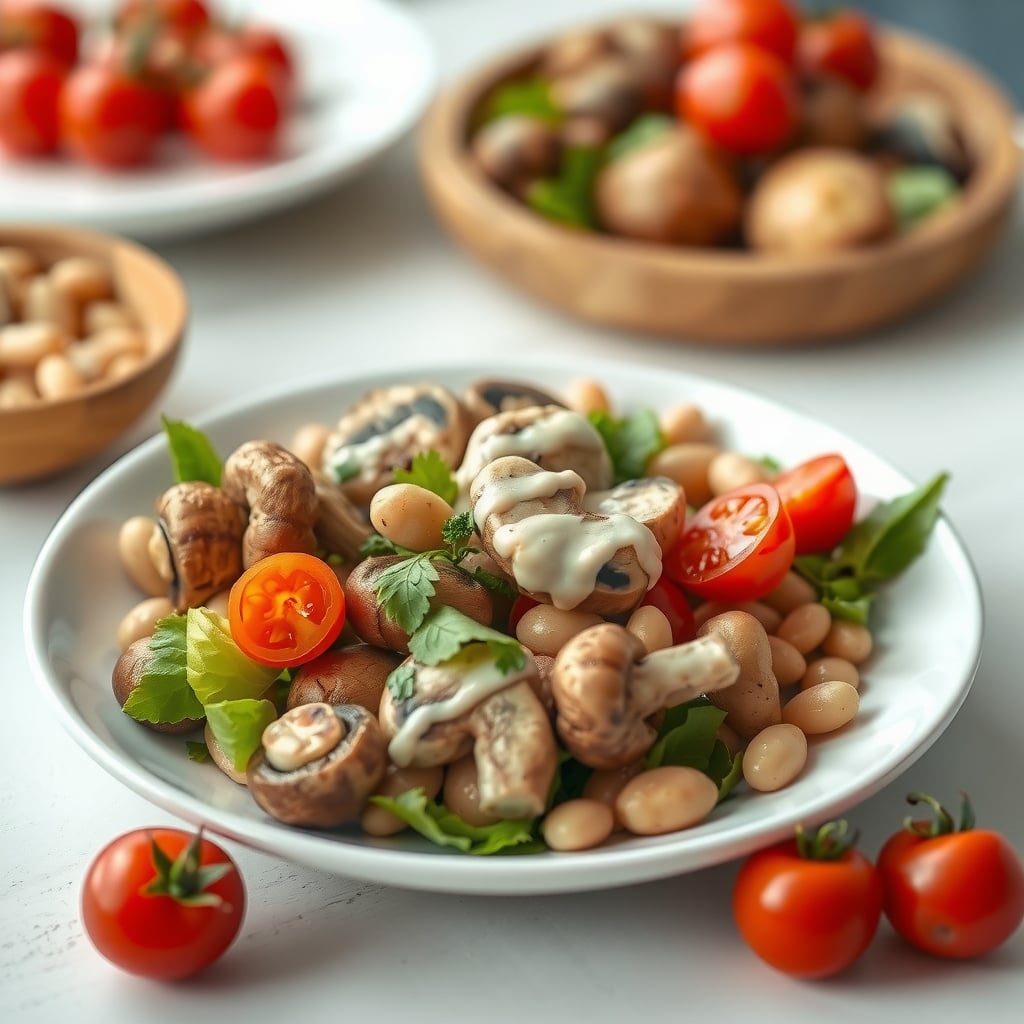
Mediterranean Mushroom & White Bean Power Bowl with Lemon-Tahini Dressing
35min
4
View Full Recipe →
Ready to simplify your meal planning?
Let OttoChef AI create personalized meal plans for your family in seconds.