
Mastering Yucatecan Recado Negro: The Art of Charring Chiles
Unlock the secrets of Yucatecan recado negro. Learn the culinary science of controlled chile charring to create deep, smoky flavors in your home kitchen.
Emma Chen
Recipe Developer
August 24, 2026
5 min read
10 views
In most culinary traditions, burning your ingredients to a crisp is considered a mistake. Carbonization usually yields an acrid, unpalatable bitterness that ruins a dish. However, in the Yucatán Peninsula of Mexico, controlled burning is elevated to an art form. This technique is the foundation of recado negro, a deeply savory, jet-black seasoning paste that defines some of the region's most iconic dishes.
Understanding how to intentionally char chiles without ruining them is a powerful skill for any home cook. It challenges our assumptions about flavor building and introduces a profound, smoky complexity to your culinary repertoire.
The Regional Identity of Yucatecan Recados
Yucatecan cuisine is distinct from the rest of Mexico, shaped by its geographic isolation, Mayan heritage, and Caribbean trade routes. Rather than relying on fresh chiles or heavy tomato bases, Yucatecan cooks build flavor profiles using "recados"—concentrated spice pastes ground with liquid, traditionally sour orange juice.
The Three Pillars of Recados
While recado negro is famous for its dark hue, Yucatecan cooking relies on three primary pastes: Recado Rojo (colored red with achiote seeds and earthy spices), Recado Blanco (a fragrant garlic and herb paste), and Recado Negro (made from deeply charred chiles). Each serves as a unique flavor foundation for meats, poultry, and stews.
While recado rojo relies on the earthy sweetness of achiote, recado negro gets its character from tatemado—the process of roasting or charring ingredients over direct heat or on a dry comal (griddle) until they turn completely black.
“To master recado negro is to understand that carbon is not just a texture or a color; it is a flavor carrier that, when balanced correctly, provides unmatched savory depth.”
Chef David Sterling, Author of YucatánThe Science of Controlled Carbonization
How does burning chiles not result in a bitter, inedible mess? The secret lies in the type of chile used, the chemical transformation of capsaicin, and a crucial washing step.
Traditionally, Yucatecan cooks use chile de árbol or regional chile k'atík for recado negro. In home kitchens outside of Yucatán, dried chiles like ancho, mulato, or pasilla are excellent substitutes because of their high sugar content and rich flesh.
When these chiles are subjected to intense, dry heat, several things happen:
- Pyrolysis: The sugars and proteins in the chiles break down beyond the Maillard reaction, entering the beginning stages of carbonization. This strips away the bright, fruity notes of the pepper, leaving behind a deep, elemental smokiness.
- Capsaicin Reduction: The high heat volatilizes much of the capsaicin (the compound responsible for heat), significantly mellowing the spice level of the chiles.
- De-bittering through Hydration: Once the chiles are completely black, they are soaked in water. This step dissolves the bitter, water-soluble carbon compounds on the surface while preserving the smoky, structural carbon inside the pepper walls.
Ventilation is Crucial
When charring dried chiles, the capsaicin will aerosolize, creating a potent, spicy smoke that can irritate your eyes and lungs. Always turn your stove exhaust fan to high, open nearby windows, and consider wearing protective glasses or a mask during the burning phase.
How to Char Chiles for Recado Negro
To recreate this technique at home, you will need a heavy cast-iron skillet or a traditional comal. Avoid non-stick pans, as the high dry heat required will damage the coating.
Prep the Chiles
Stem and seed your dried chiles (ancho, pasilla, or mulato work best for home cooks). Flatten them as much as possible to ensure even contact with the pan.
The Dry Sear
Place the chiles in a dry cast-iron skillet over medium-high heat. Press them down with a spatula. Toast them until they stop smelling sweet and begin to turn greyish-black, flipping them frequently. They must be brittle and completely charred, not just browned.
The Soak and Rinse
Transfer the charred chiles immediately to a bowl of cold water. Let them soak for 15 to 20 minutes. Drain the water, which will be dark and bitter, and rinse the chiles gently. This step removes the harsh, acrid surface bitterness while keeping the deep, smoky base.
Balancing the Paste
Once your chiles are charred and rinsed, they are blended with a specific blend of warm spices and acidity. The charred chiles provide the bass note, but they require treble notes to become a balanced seasoning paste.
To finish the recado negro, the charred chiles are ground with:
- Warm Spices: Allspice (pimienta gorda), black pepper, cloves, cumin, and Mexican oregano.
- Aromatics: Roasted garlic and charred onions.
- Acidity: Sour orange juice (naranja agria).
Sour Orange Substitute
True Yucatecan sour orange is highly acidic and less sweet than standard oranges. If you cannot find them fresh, you can replicate the flavor profile by mixing equal parts fresh lime juice and sweet orange juice, or two parts lime juice, one part orange juice, and a splash of grapefruit juice.
This mixture is blended into a smooth, thick, jet-black paste. In Yucatán, this paste is often fried in lard to cook out the raw garlic and concentrate the flavors even further before it is used to marinate turkey, chicken, or pork.
Bringing the Technique into Your Kitchen
You do not need to make a traditional Yucatecan stew to benefit from this technique. The principles of tatemado can be applied to many everyday dishes:
- Salsas: Char your tomatoes, jalapeños, and onions until they have deep black spots before blending. This adds a rustic, fire-roasted flavor that raw or gently cooked ingredients cannot match.
- Smoky Rubs: Grind a small amount of intentionally charred dried chiles into your favorite barbecue dry rubs for an instant injection of authentic wood-smoke flavor.
- Vinaigrettes: Whisk a teaspoon of homemade recado negro paste into a lime vinaigrette to dress roasted root vegetables or grilled squash.
Embracing the dark side of cooking requires letting go of the fear of burning your food. By mastering the balance of carbon, spice, and acid, you unlock a sophisticated dimension of flavor that will permanently elevate your home cooking.
Try This Recipe
Now that you've learned about mastering yucatecan recado negro: the culinary art of charring chiles, put your knowledge into practice with this recipe:
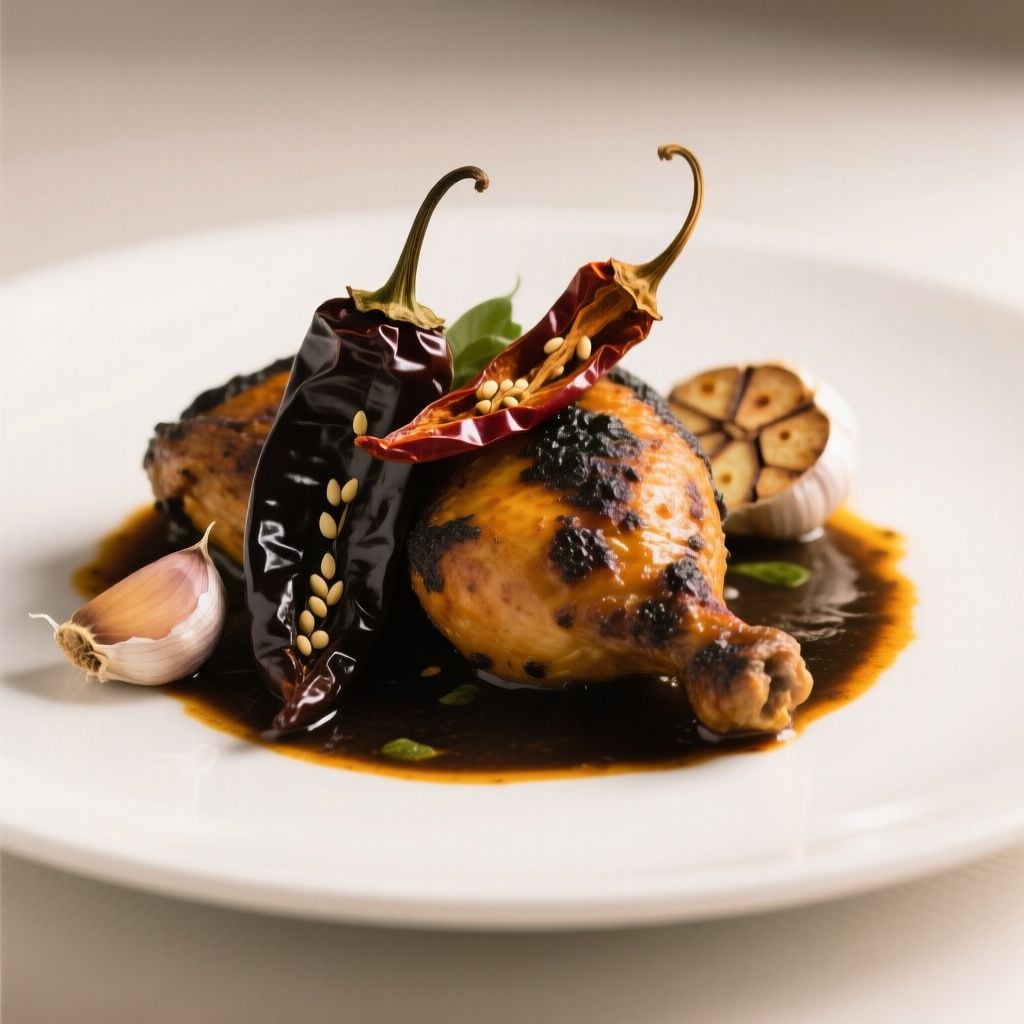
Yucatecan Pollo en Relleno Negro (Chicken in Black Recado Sauce)
75min
4
View Full Recipe →
Ready to simplify your meal planning?
Let OttoChef AI create personalized meal plans for your family — free to use, no credit card.