
Mastering the Build-Your-Own Dinner: A Guide to Stress-Free Family Meals
Learn the culinary framework of build-your-own dinner nights. Master flavor balancing, prep techniques, and global meal templates to satisfy every eater.
Alex Thompson
Food Editor
May 25, 2026
5 min read
2 views
The weeknight dinner rush often feels like a high-stakes negotiation. Between varying schedules, dietary restrictions, and the diverse preferences of children and adults, the pressure to produce a single meal that pleases everyone is immense. This challenge often leads to 'short-order cooking,' where the person in the kitchen prepares three different versions of the same dish. However, by shifting your approach from a fixed plate to a modular framework, you can transform the kitchen from a place of stress into a streamlined culinary station. Build-your-own dinner nights—whether they center on tacos, grain bowls, or mezze platters—are not just a convenience; they are a sophisticated method of meal planning that teaches flavor balance and encourages culinary exploration.
At its core, a successful build-your-own meal relies on the principle of 'component cooking.' Instead of finishing a dish in a single pot where flavors are permanently fused, you prepare distinct elements that provide contrast in texture, temperature, and taste. This method allows each individual to control their own 'flavor profile,' the specific combination of sensations that makes a dish satisfying to them. To execute this effectively, a home cook must understand the five essential pillars of a balanced bowl or wrap: the base, the protein, the produce, the acid, and the crunch.
The Origin of the Taco
While now a global staple, the word 'taco' likely originated from 18th-century Mexican silver mines. It referred to the small charges used to blast rock—pieces of paper wrapped around gunpowder. Just like those explosive charges, the culinary taco is a concentrated burst of flavor wrapped in a portable shell.
When designing your DIY dinner station, start with the base. This provides the structural integrity and satiety of the meal. For a Mexican-inspired night, this might be warm corn tortillas or cilantro-lime rice. For a Mediterranean spread, consider fluffy bulgur or toasted pita. The key to a professional-grade base is seasoning; every grain of rice or piece of bread should be lightly salted or toasted to enhance its natural aroma.
Next, focus on the protein. This is often the centerpiece, but it shouldn't be the only source of flavor. Whether you are searing steak, roasting chickpeas, or braising chicken, ensure the protein is seasoned aggressively enough to stand up to the other toppings. Because these ingredients will be sitting out for the duration of the meal, temperature management is vital.
Temperature Management
To keep proteins at a safe and appetizing temperature during a long family dinner, utilize a small slow cooker on the 'warm' setting or a preheated heavy cast-iron skillet, which retains heat much longer than stainless steel or ceramic dishes.
"Providing a framework for dinner instead of a fixed plate shifts the cook's role from short-order chef to culinary curator."
Chef Julianne MercerThe true power of this dining style lies in the 'accent' ingredients. Raw vegetables provide freshness and snap, while pickled elements—like red onions or radishes—add the necessary acid to cut through rich proteins. Creams and sauces, such as tahini dressing, salsa verde, or Greek yogurt, act as the binder that integrates the dry components. Finally, never overlook the 'crunch.' Toasted seeds, crushed tortilla chips, or crisp cucumber slices provide the structural contrast that prevents a bowl or wrap from feeling monolithic.
Mise en Place
Prepare all 'cold' ingredients first—chopping vegetables, whisking sauces, and crumbling cheeses. Keep these chilled until the moment of service to ensure maximum crispness.
The Hot Prep
Cook your grains and proteins last. This ensures the foundational elements are at their peak temperature when they hit the table, providing a pleasant contrast against the cold toppings.
The Assembly Flow
Arrange your table in a logical sequence: plates first, followed by bases, then proteins, then vegetables, and finally sauces and garnishes. This 'cafeteria style' flow prevents bottlenecks and keeps the process orderly.
This approach also serves as a subtle educational tool for younger or more hesitant eaters. By presenting ingredients separately, you remove the 'fear of the unknown' that often comes with mixed casseroles or stews. It allows family members to experiment with small amounts of new flavors without committing their entire meal to it.
The 'One New Thing' Rule
Every time you host a build-your-own night, introduce one unfamiliar ingredient—like pickled daikon, a spicy harissa, or toasted pepitas—alongside familiar favorites. This expands palates gradually without overwhelming the table.
Beyond the classic taco, consider the 'Bowl' format, which has roots in many global traditions. The Korean Bibimbap is a masterclass in the build-your-own philosophy, featuring distinct piles of seasoned vegetables (namul), meat, and a fried egg over rice, all brought together by a spicy gochujang sauce. Similarly, a Middle Eastern mezze spread allows diners to move between hummus, tabbouleh, grilled meats, and olives, creating a different flavor combination with every bite.
Soggy Bottom Syndrome
When serving bowls or tacos, always place the densest, driest ingredients (like rice or a thick tortilla) at the bottom. Adding watery vegetables or heavy sauces directly onto the base too early can lead to a structural collapse. Instruct diners to add their 'wet' ingredients last.
Finally, the build-your-own strategy excels in efficiency. Most of these components can be prepped in batches during a weekend or a quiet morning. Roasted vegetables, cooked grains, and pickled onions all store well in the refrigerator for several days. When dinner time arrives, your only task is to reheat the protein and set the stage. This transforms the act of cooking from a daily chore into a curated experience, allowing the cook to actually sit down and enjoy the meal with everyone else. By mastering the art of the assembly line, you create a dinner culture that values individual preference while maintaining collective sanity.
Try This Recipe
Now that you've learned about build-your-own dinner nights: tacos, bowls, and beyond, put your knowledge into practice with this recipe:
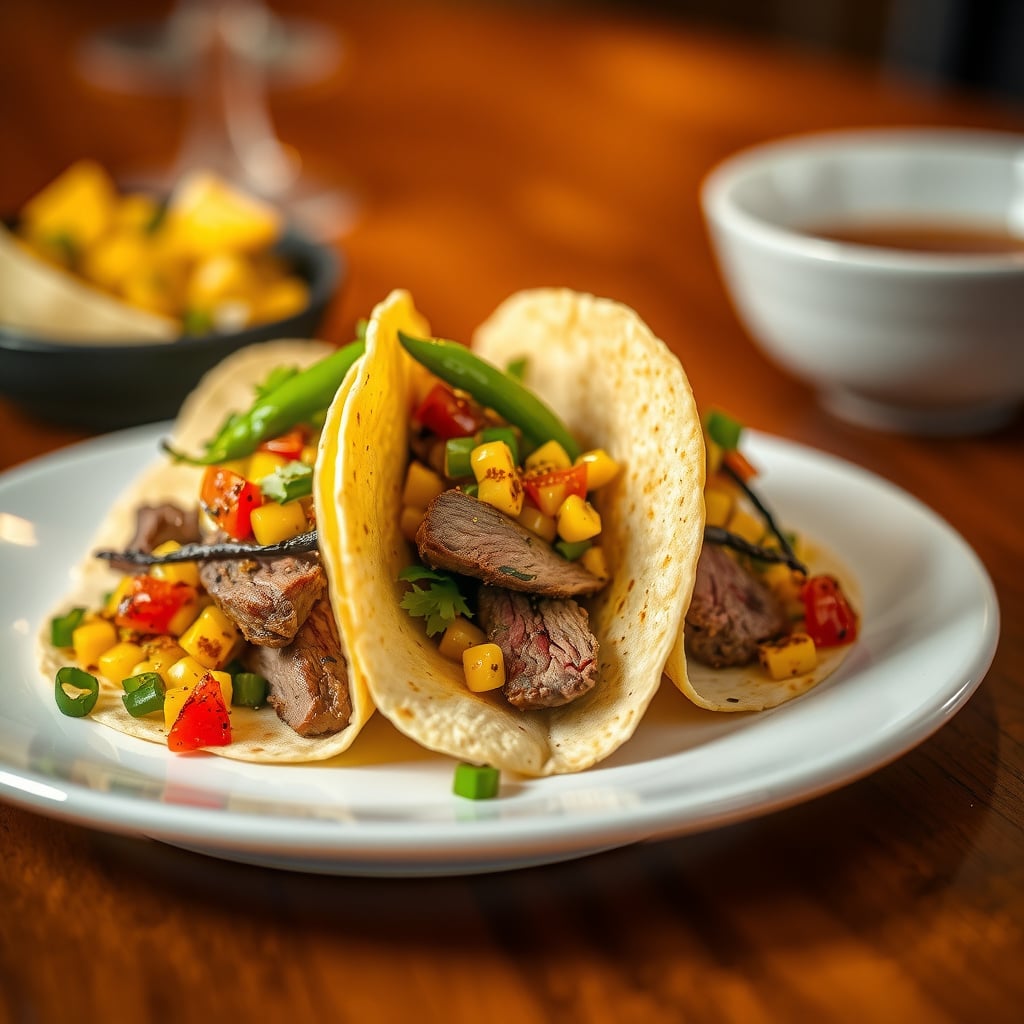
Build-Your-Own Street-Style Steak Tacos with Charred Corn Salsa
60min
4
View Full Recipe →
Ready to simplify your meal planning?
Let OttoChef AI create personalized meal plans for your family in seconds.