
Mastering the Art of Stretching Proteins: Lessons from Global Cuisines
Learn how to make meat go further using traditional culinary techniques from around the world. Discover how to stretch your grocery budget without sacrificing flavor.
Lily Nakamura
Recipe Editor
May 29, 2026
5 min read
1 view
For many home cooks, the protein is the most expensive part of the grocery bill. When we view a meal as a large piece of meat surrounded by small sides, our kitchen budget quickly evaporates. However, looking at global culinary history reveals a different perspective. Most traditional cuisines treat meat as a precious resource to be stretched, distributed, and enhanced rather than as a singular centerpiece. By adopting these time-tested techniques, you can reduce your food costs while actually increasing the complexity of your cooking.
Historically, 'peasant cooking' wasn't about deprivation; it was about ingenuity. From the ragùs of Italy to the stir-frys of China, the world's most iconic dishes were born from the necessity of making a small amount of animal protein feed a large family. These methods don't just save money—they often result in deeper, more integrated flavors because the protein's essence is infused throughout the entire dish.
The History of Peasant Food
Many of the world's most celebrated dishes, such as Coq au Vin or Cassoulet, originated from the need to transform tough, inexpensive cuts of meat into satisfying meals for many people.
The Meat-as-Condiment Philosophy
In many East and Southeast Asian cuisines, meat is often sliced into thin ribbons or small dice. This increases the surface area of the protein, allowing for more browning (the Maillard reaction) and better integration with vegetables and aromatics. Instead of serving a whole chicken breast per person, a single breast can be sliced and distributed through a large wok filled with crisp seasonal vegetables and noodles.
One specific technique to master is 'velveting.' This Chinese method involves coating thinly sliced meat in a mixture of cornstarch and egg white (and sometimes oil or rice wine) before a quick pass through hot oil or water. This creates a protective barrier that keeps the meat incredibly tender and juicy even when sliced very thin.
Partial Freeze
Place your protein in the freezer for 20-30 minutes until firm but not frozen solid. This makes it much easier to achieve paper-thin slices.
Slice Against the Grain
Identify the direction of the muscle fibers and slice perpendicular to them. This breaks up the tough connective tissue, ensuring every small piece is tender.
The Velveting Coat
Toss your thin slices in a bowl with a teaspoon of cornstarch and a splash of soy sauce or rice wine before cooking to lock in moisture.
The Power of Pulses and Grains
In Middle Eastern, Indian, and Mediterranean traditions, legumes are the ultimate partner for protein. This isn't just about adding 'filler'; it's about nutritional and textural synergy. In Indian Keema dishes, ground meat is often stretched with green peas or diced potatoes. In the Levant, lentils and rice (Mujadara) might be topped with just a small amount of highly seasoned lamb to provide an aromatic punch.
The 50/50 Rule
When making dishes using ground meat, try replacing half of the meat with cooked brown lentils or finely chopped mushrooms. The texture remains remarkably similar, while the fiber content and savings increase significantly.
Using pulses allows you to capture the rendered fat and juices of the meat. Lentils or chickpeas simmered alongside a small ham hock or a few links of sausage will absorb the smoky, savory fats, making the legumes taste as rich as the meat itself.
"The secret to a satisfying meal isn't the volume of meat, but the depth of the savory environment you build around it."
OttoChef Culinary TeamThe Panade and the Binder
European traditions, particularly in Italy and France, perfected the use of the 'panade' to stretch ground meats. A panade is a mixture of starch (usually bread or breadcrumbs) and liquid (milk, water, or stock) that is folded into ground meat for meatballs, meatloaf, or fillings.
While many modern cooks think breadcrumbs are just a filler that makes meat 'cheaper,' a panade actually serves a vital structural purpose. It prevents the protein fibers from knitting together too tightly during cooking, resulting in a much lighter, moister texture. It also absorbs the juices that would otherwise leak out of the meat, ensuring that every bit of flavor stays within the dish.
Avoid Dry Crumbs
Never add dry breadcrumbs directly to ground meat. They will wick moisture out of the protein. Always soak them in a liquid first to form a paste before mixing them in.
Building Flavor from Scraps
Finally, stretching protein means using the parts that others throw away. In Japanese cuisine, the bones from a fish or the carcass of a chicken are roasted and simmered to create dashi or paitan broths. These liquids become the base for soups that are deeply satisfying despite containing very little solid meat.
Similarly, the rinds of hard cheeses like Parmesan can be simmered in vegetable stews to add 'umami'—the savory fifth taste usually associated with meat. By utilizing bones, skins, and rinds, you are extracting every possible cent of value from your ingredients.
Umami Boosters
If you are using less meat, boost the 'meatiness' of your dish with plant-based umami sources like soy sauce, tomato paste, dried mushrooms, or nutritional yeast.
Transitioning from a 'meat-centric' plate to a 'flavor-centric' plate is the most effective way to level up your culinary skills while respecting your budget. By slicing thinner, incorporating legumes, using binders wisely, and extracting flavor from every scrap, you will find that your meals become more diverse, more nutritious, and far more interesting to cook.
Try This Recipe
Now that you've learned about stretching proteins: techniques from world cuisines, put your knowledge into practice with this recipe:
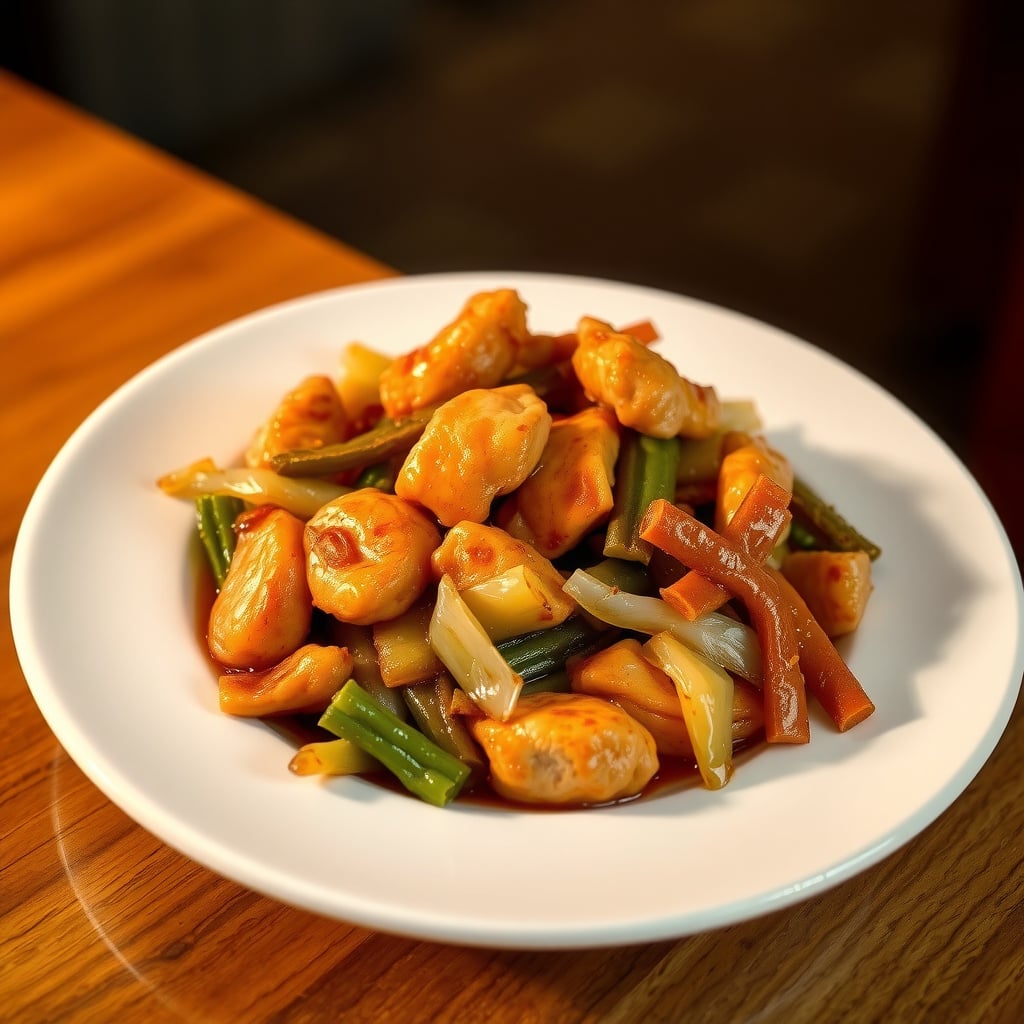
Ginger-Soy Velveted Chicken & Cabbage Stir-Fry
55min
4
View Full Recipe →
Ready to simplify your meal planning?
Let OttoChef AI create personalized meal plans for your family in seconds.