
Mastering the Art of Reduction: How to Build Intense Flavors
Learn how to master the reduction technique to transform thin liquids into rich, concentrated sauces. Discover the science and methods of flavor concentration.
Lily Nakamura
Recipe Editor
May 26, 2026
5 min read
1 view
Ever wondered why a restaurant sauce tastes so much more vibrant and has a more luxurious mouthfeel than what usually comes out of a home kitchen? The difference rarely lies in a secret ingredient. Instead, it is almost always the result of a fundamental culinary technique: reduction. At its simplest, reduction is the process of simmering a liquid until its volume decreases through evaporation. While the concept is straightforward, the execution is where the artistry lies. By understanding how to control heat, surface area, and timing, you can transform humble stocks, wines, and juices into powerful flavor concentrates that define a dish.
The primary goal of reduction is twofold: flavor concentration and textural transformation. As water molecules turn to steam and escape the pan, the non-volatile components—sugars, salts, acids, and proteins—remain behind. Because these components are now suspended in a smaller volume of liquid, their impact on your taste buds is intensified. Simultaneously, as the liquid becomes more concentrated, its viscosity increases. This creates that desirable glossy look and a texture that clings to proteins or vegetables rather than pooling at the bottom of the plate.
The Science of Evaporation
Evaporation occurs only at the surface of a liquid. This is why professional chefs prefer wide, shallow pans for reducing sauces; more surface area means more molecules can escape into the air simultaneously, significantly shortening the cooking time.
To master reduction, you must first understand the importance of your vessel. If you attempt to reduce a quart of stock in a tall, narrow stockpot, the process will take significantly longer because the surface area is limited. Furthermore, the steam rising from the bottom must travel through the entire column of liquid, which can lead to overcooking the ingredients or losing subtle aromatic notes. A wide skillet or a saucier pan is the ideal choice for this task.
Select the Right Vessel
Use a wide, shallow pan like a saucier or a large skillet to maximize surface area and speed up evaporation. This allows the liquid to reduce quickly while maintaining fresh flavor.
Maintain a Gentle Simmer
Bring the liquid to a boil, then immediately drop it to a steady simmer. A violent boil can break down delicate flavor compounds or emulsified fats, leading to a greasy or dull sauce. A gentle simmer allows for a controlled, even reduction.
Monitor the Nappe
Check the consistency frequently. The liquid is reduced when it reaches 'nappe'—a French term meaning it coats the back of a spoon evenly. Run your finger through the coating; if the line stays clean, the reduction is ready.
Timing is everything when it comes to seasoning. One of the most common mistakes home cooks make is salting a liquid at the beginning of the reduction process. If you season a quart of stock to perfection and then reduce it by half, you have effectively doubled the salt concentration, likely making the final sauce inedible.
The Salt Trap
Avoid seasoning your liquid fully at the start. As water evaporates, the salt concentration increases significantly, which can lead to an oversalted final product. Always wait until the final stage to adjust salt and acid levels.
"Reduction is the process of removing the unnecessary to reveal the essential essence of an ingredient."
OttoChef Culinary TeamAnother critical element of reduction is the role of gelatin. When you reduce a high-quality stock made from bones, the gelatin becomes concentrated along with the flavors. This is what gives high-end sauces their body and 'lip-smacking' quality. If you are working with a liquid that lacks natural gelatin, such as a vegetable stock or wine, the reduction will still concentrate flavor, but it may not achieve the same syrupy thickness without an added thickening agent or a final 'monter au beurre'—the technique of whisking in cold butter at the end.
Deglazing is the First Step
Don't waste the 'fond'—those browned bits stuck to the bottom of your pan after searing meat. Add a splash of wine or stock, scrape the bits loose, and reduce that liquid. It is the fastest way to create a deeply flavorful reduction with minimal effort.
Reductions are used across global cuisines to create depth. In Japanese cooking, the 'tare' used for glazing yakitori is often a reduction of soy sauce, mirin, and sake. In French cuisine, a gastrique—a reduction of sugar and vinegar—provides the bright, punchy foundation for fruit-based sauces often served with duck or pork. Each of these applications relies on the same principle: removing water to highlight the primary ingredients.
When working with wine reductions specifically, the quality of the wine matters, though you do not need an expensive vintage. You do, however, need a wine that is free of flaws. Because reduction intensifies every characteristic, a wine with heavy oak or harsh tannins can become unpleasantly bitter once concentrated. Aim for clean, fruit-forward wines for the best results in your sauces.
What is Demi-Glace?
A classic French reduction made by reducing brown stock and Espagnole sauce until it reaches a thick, syrupy consistency. It represents the pinnacle of the reduction technique, requiring hours of careful simmering to achieve its legendary depth.
As you practice, pay close attention to the visual cues. A pale chicken stock will transition into a deep amber; a red wine will move from translucent crimson to an opaque, dark purple. These changes signal that the sugars are beginning to caramelize and the proteins are thickening. Mastering this technique gives you the ability to adjust the 'weight' of a meal. A light reduction provides a hint of accompaniment, while a heavy reduction provides the backbone of the entire dish. Experiment with different liquids in your pantry—try reducing balsamic vinegar until it becomes a thick glaze, or simmering apple cider until it reaches a syrupy consistency. By focusing on the evaporation process, you gain a level of control over flavor that no store-bought condiment can replicate.
Try This Recipe
Now that you've learned about the art of reduction: concentrating flavors, put your knowledge into practice with this recipe:
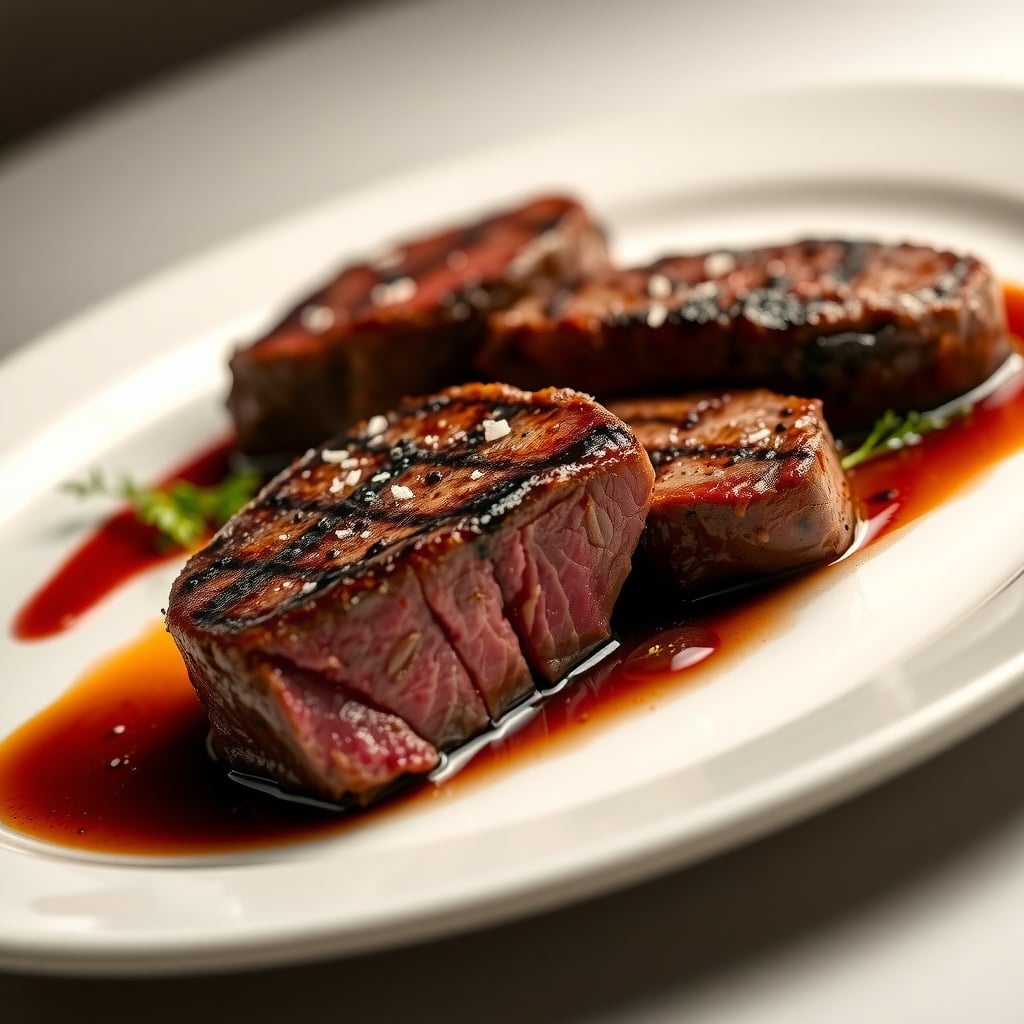
Pan-Seared Steak with Red Wine Shallot Reduction
45min
4
View Full Recipe →
Ready to simplify your meal planning?
Let OttoChef AI create personalized meal plans for your family in seconds.