
Mastering the 30-Minute Dinner: Strategies for Efficient Home Cooking
Learn professional techniques to get dinner on the table in 30 minutes. Explore mise en place, heat management, and workflow optimization for the home kitchen.
Alex Thompson
Food Editor
June 18, 2026
5 min read
The evening rush often feels like a race against the clock. After a long day of work or school, the transition into the kitchen can be the most stressful part of the day. Many home cooks believe that a 30-minute dinner requires cutting corners or relying on processed shortcuts. However, professional chefs produce complex dishes in high-pressure environments by relying on systems, not speed. By adopting a few fundamental culinary strategies, you can transform your kitchen workflow and deliver high-quality, flavorful meals in the time it takes to watch a sitcom.
The Origin of Mise en Place
Mise en place is a French culinary phrase meaning 'everything in its place.' It refers to the practice of organizing and arranging ingredients and tools before cooking begins. In professional kitchens, this isn't just a suggestion; it's a requirement for survival.
To master the 30-minute meal, you must first master your environment. The most common time-drain in the home kitchen is the 'search and find' cycle—looking for a specific spice while an onion burns in the pan, or realize you haven't thawed a protein halfway through the process. Your kitchen efficiency starts before you even turn on the stove.
The 5-Minute Setup
Before a single knife touches a cutting board, clear your workspace and gather every ingredient needed. This includes oils, seasonings, and even the serving plates. If you don't have to leave the stove once the heat is on, you've already won half the battle.
Parallel Processing
Identify the 'dead time' in your cooking. While the water is coming to a boil or the oven is preheating, use those five to seven minutes for high-intensity chopping. Never stand idle while a heat source is working for you.
Sequential Heat Management
Start with the items that require the longest cook times—usually grains or root vegetables—and work backward. If you are using a technique like sautéing, ensure your pan is preheated so the cooking begins the instant the food hits the surface.
"Efficiency in the kitchen is not about moving your hands faster; it is about making fewer movements."
Culinary WisdomOne of the most effective ways to shave time off your cooking is to understand the relationship between surface area and heat. A whole chicken breast takes significantly longer to cook than one that has been sliced into thin medallions or strips. By increasing the surface area of your ingredients, you allow heat to penetrate more quickly, reducing cook times by 50% or more. This is why techniques like stir-frying are staples of quick cooking; the high heat and small pieces of food result in rapid caramelization and tender results in minutes.
Crowding the Pan
When you're in a hurry, it's tempting to dump everything into one pan at once. This causes the temperature to plummet, and instead of searing, your food will begin to steam in its own juices. This results in gray, rubbery meat and mushy vegetables. Cook in two batches or use two separate pans to maintain high heat and better flavor.
Another key to the 30-minute dinner is leveraging 'high-impact' ingredients. These are items that provide deep, complex flavors without requiring hours of simmering. Ingredients like miso paste, anchovies, sun-dried tomatoes, harissa, and high-quality vinegars are flavor concentrates. Adding a spoonful of red curry paste or a splash of aged balsamic can provide the depth that usually comes from long reductions or slow-roasting.
The Power of Residual Heat
Remember that cooking doesn't stop the moment you turn off the burner. Thinner proteins and delicate vegetables like spinach or asparagus will continue to cook from the heat retained in the pan. Pull these items off the heat about 30 seconds before they look 'perfect' to avoid overcooking by the time they reach the table.
Temperature control is also a vital skill for the time-conscious cook. While it seems counterintuitive, cooking on medium-high heat is often more efficient than blasting everything on high. High heat can lead to the outside of your food burning before the inside is cooked, forcing you to turn down the heat and wait for the core to catch up. By maintaining a steady, medium-high heat, you achieve a consistent Maillard reaction (browning) that develops flavor while ensuring the center of your ingredients reaches the safe and desired temperature simultaneously.
Clean as You Go
The '30-minute dinner' isn't actually 30 minutes if you spend another 45 minutes cleaning up afterward. Keep a 'garbage bowl' on your counter for scraps and wash your prep tools immediately after use while your main dish is searing. A clear counter reduces mental clutter and keeps you focused on the task at hand.
Finally, consider your equipment. A heavy-bottomed stainless steel or cast-iron pan retains heat much better than thin aluminum, meaning your food will cook more evenly and recover temperature faster after you add cold ingredients. Similarly, a sharp knife is a safety tool and a time-saver; a dull blade requires more force and more strokes, slowing down your prep and increasing the risk of slips.
By focusing on the science of heat, the organization of your space, and the strategic use of concentrated flavors, you can consistently produce restaurant-quality meals on even the busiest weeknights. Cooking quickly isn't about rushing; it's about being intentional with every movement you make in the heart of your home.
Try This Recipe
Now that you've learned about getting dinner on the table in 30 minutes, put your knowledge into practice with this recipe:
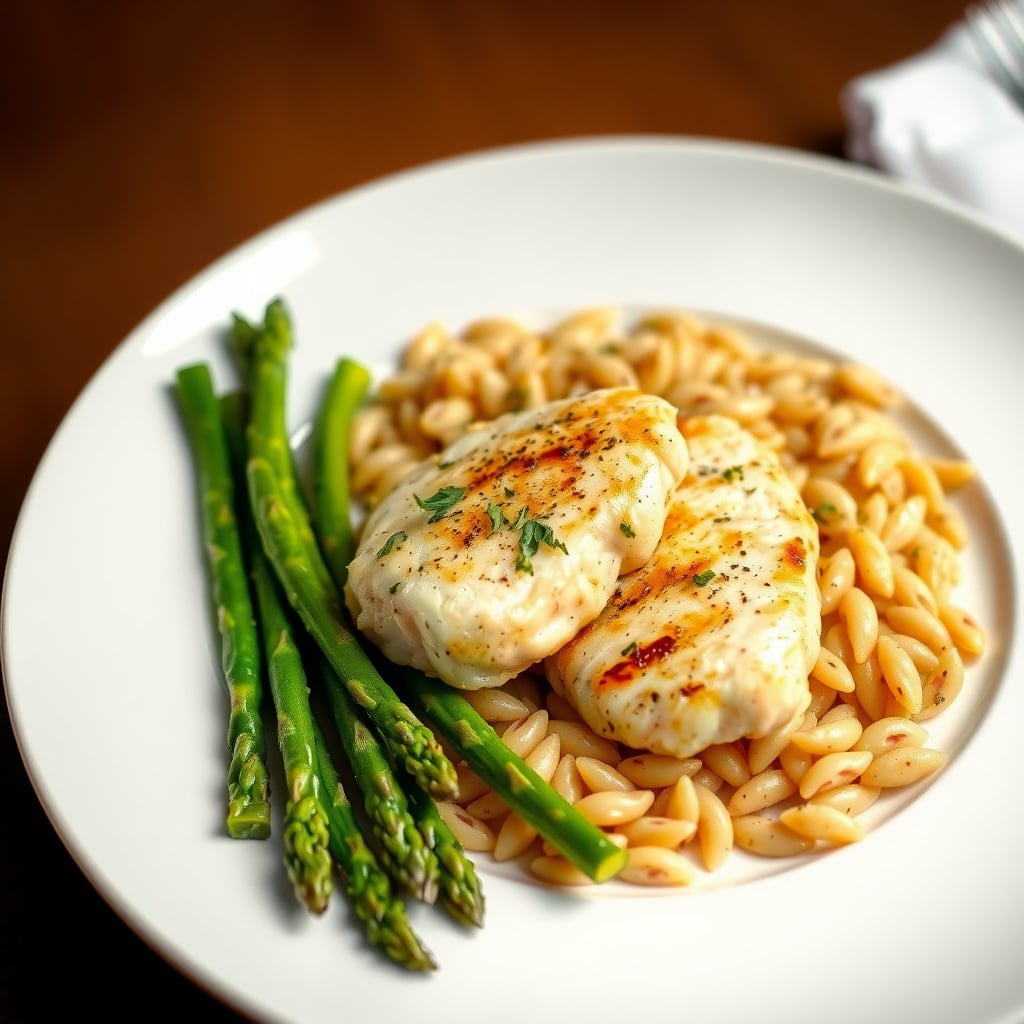
Lemon-Garlic Chicken Medallions with Quick Orzo and Asparagus
30min
4
View Full Recipe →
Ready to simplify your meal planning?
Let OttoChef AI create personalized meal plans for your family in seconds.