
Mastering Shio Koji: The Science of Tender Meal-Prep Proteins
Discover how the live enzymes in shio koji tenderize proteins and lock in moisture, making your meal-prepped chicken, beef, and tofu taste freshly cooked.
Marcus Rivera
Culinary Editor
September 29, 2026
5 min read
3 views
Preparing a week's worth of protein is the cornerstone of efficient meal planning. Yet, by Wednesday, that carefully cooked chicken breast or lean beef often turns dry, chalky, and unappealing when reheated. Traditional marinades relying on harsh acids like lemon juice or vinegar can actually tighten protein fibers over time, making them mushy on the outside and stringy on the inside.
Enter shio koji. This ancient Japanese ingredient is a live-enzyme powerhouse that transforms the structural integrity of proteins. By utilizing biological fermentation rather than chemical denaturing, shio koji ensures your meal-prepped proteins remain exceptionally tender, juicy, and packed with savory flavor—even after days in the refrigerator and a trip through the microwave.
What is Shio Koji?
Shio koji is a thick, grain-textured paste made from fermented rice (koji), water, and salt. Koji itself is rice that has been inoculated with Aspergillus oryzae, a beneficial mold used for centuries in Japanese cuisine to produce soy sauce, miso, and sake.
What is Koji?
Koji-kin (Aspergillus oryzae) is a filamentous fungus used for centuries in Japan to ferment soy sauce, miso, sake, and mirin. It is recognized as the national mold of Japan due to its foundational role in their culinary culture.
When rice koji is mixed with salt and water, it undergoes a short fermentation process that yields a sweet, salty, and incredibly savory seasoning. What makes shio koji revolutionary for home cooks is not just its complex flavor profile, but its active, living chemistry.
The Kitchen Science of Enzyme Tenderization
Unlike traditional acid-based or oil-based marinades, shio koji works through enzymatic activity. It contains billions of active enzymes, primarily proteases and amylases.
Proteases are enzymes that specifically target and break down peptide bonds in proteins. When you apply shio koji to meat, poultry, fish, or even tofu, these proteases immediately go to work dismantling tough muscle fibers and connective tissues.
This enzymatic breakdown does two critical things:
- Creates Unparalleled Tenderness: By pre-digesting the tough proteins, it relaxes the muscle structure so the meat becomes incredibly tender without losing its structural integrity.
- Produces Natural Umami: As proteases break down proteins, they release amino acids, specifically glutamic acid. Glutamic acid is the chemical compound responsible for the deeply savory taste we identify as umami.
Simultaneously, amylase enzymes break down complex starches into simple sugars, providing a delicate sweetness that balances the salt and enhances natural browning during cooking.
“Shio koji doesn't just flavor your food; it fundamentally restructures the proteins on a molecular level, locking in juices that would otherwise be lost during reheating.”
Dr. Hiroshi Tanaka, Food ScientistWhy Shio Koji is a Meal-Prep Game Changer
The primary challenge of meal prepping is moisture loss. When meat is cooked, its protein fibers contract like a wrung-out sponge, squeezing out water. Reheating food in a microwave or oven compounds this issue, drawing out remaining moisture and leaving the protein dry.
Because shio koji breaks down those contracting fibers beforehand, the protein structure remains relaxed during cooking. This relaxed structure holds onto its natural juices. When you reheat a shio-koji-marinated chicken breast on day four of your meal plan, it retains its moisture and tastes as though it was freshly cooked.
Step-by-Step: How to Marinate with Shio Koji
Using shio koji is remarkably simple, but because it is highly concentrated, precision yields the best results.
The 10% Rule
As a general rule of thumb, use shio koji at 10% of the weight of the protein you are marinating. For example, use 20 grams of shio koji for 200 grams of chicken breast. This ensures perfect seasoning without over-salting.
Follow these steps to integrate shio koji into your weekly meal-prep routine:
Measure and Coat
Weigh your protein and measure out 10% of that weight in liquid or paste shio koji. Place your protein in a zip-top bag or container and coat it evenly with the mixture, ensuring all surfaces are covered.
Marinate (Time is Key)
Allow the enzymes time to work. Because the enzymes are highly active, marination times are shorter than traditional marinades. Delicate seafood needs only 30 to 60 minutes. Chicken, pork, and tofu should marinate for 4 to 12 hours. Tougher cuts of beef can handle up to 24 hours.
Wipe and Cook
Gently scrape or wipe off the excess shio koji from the surface of the protein using your fingers or a paper towel before cooking. This prevents the sugars in the marinade from burning in your pan or oven. Cook using your preferred method.
Crucial Cooking Tips for Shio Koji
Because shio koji introduces active sugars to the surface of your food, it alters how your food behaves under heat.
Watch the Heat
The amylase enzymes in shio koji convert starches into simple sugars, which caramelize rapidly. This means your protein will brown—and potentially burn—much faster than untreated meat. Keep your cooking temperatures moderate, and avoid high-heat searing unless you are monitoring the pan closely.
If you prefer to cook at very high temperatures, consider using liquid shio koji (which has been strained) rather than the textured paste. Liquid shio koji offers the same enzymatic benefits but leaves less solid residue on the surface of the food, reducing the risk of scorching.
Elevating Your Weekly Prep
Once you master the basic technique, you can begin combining shio koji with other aromatic ingredients to build complex flavor profiles. Try mixing it with grated ginger, garlic, toasted sesame oil, or chili paste before applying it to your proteins.
By understanding the biological science of fermentation, you can move away from aggressive acidic marinades and embrace the gentle, highly effective power of live enzymes. Your midweek meals will thank you.
Try This Recipe
Now that you've learned about how shio koji's live enzymes revolutionize meal-prep protein textures, put your knowledge into practice with this recipe:
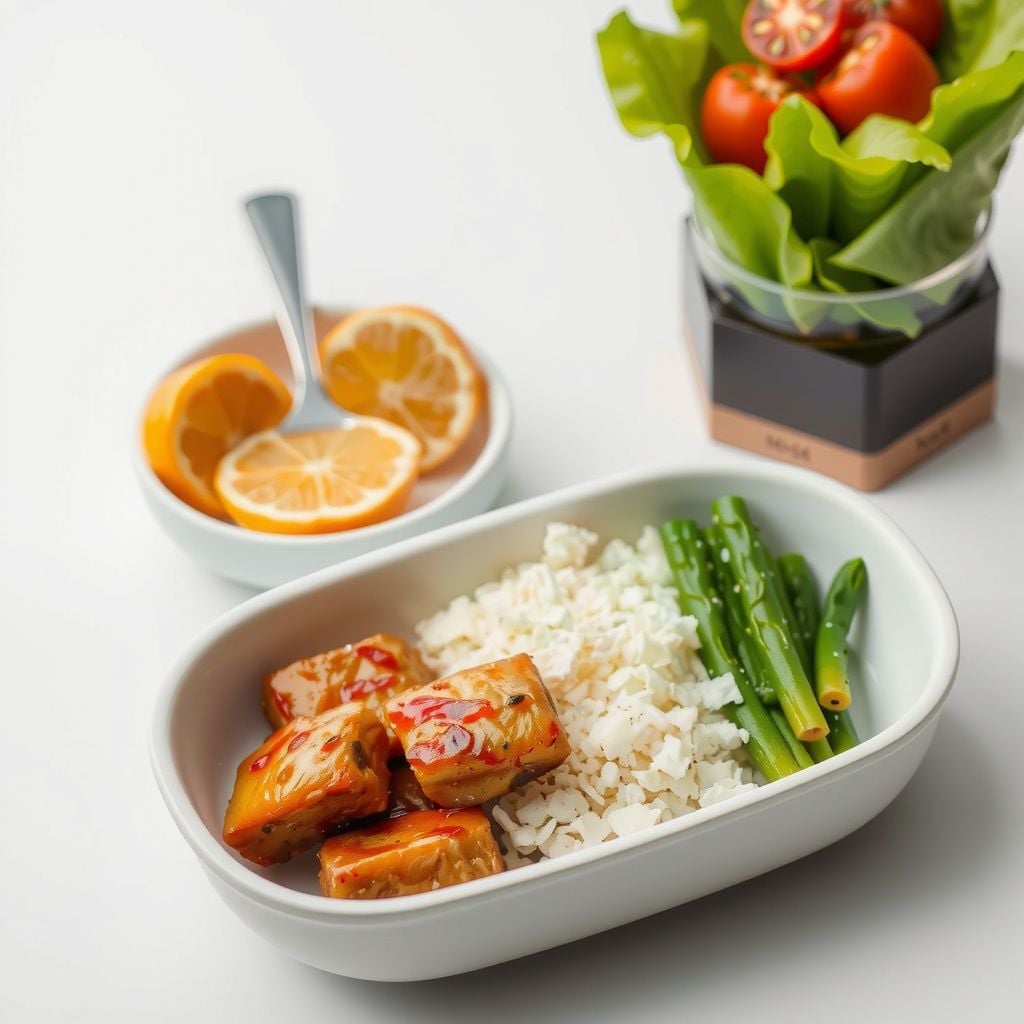
Shio Koji Chicken Bento Bowl
65min
4
View Full Recipe →
Ready to simplify your meal planning?
Let OttoChef AI create personalized meal plans for your family — free to use, no credit card.