
Mastering Scrap Stock: Turning Kitchen Waste into Liquid Gold
Learn how to transform vegetable peels and meat bones into rich, flavorful stock. Reduce food waste and save money with our guide to making stock from scraps.
James Okonkwo
Food Writer
June 9, 2026
5 min read
Every time you peel a carrot, trim the root end of an onion, or discard the carcass of a roasted chicken, you are throwing away the foundation of professional-grade cooking. In the culinary world, stock is known as 'fond'—literally the foundation. While store-bought cartons are convenient, they often lack the body, nuance, and nutritional density of a stock made from scratch. By shifting your perspective on kitchen waste, you can create a versatile, nutrient-rich liquid that costs almost nothing and significantly reduces your household food waste.
The process of making stock from scraps is less about following a rigid recipe and more about understanding the balance of flavors and the science of extraction. It is a slow, methodical technique that rewards patience with a depth of flavor that cannot be manufactured in a factory. Whether you are aiming for a light vegetable broth or a rich, gelatinous bone broth, the principles of heat, time, and ingredient selection remain the same.
The Freezer Bag Method
Keep a gallon-sized freezer-safe bag in your freezer. Every time you prep vegetables, toss the clean trimmings—onion skins, carrot ends, celery leaves, and herb stems—into the bag. Once the bag is full, you have exactly enough for a large pot of stock.
To build a successful stock, you must be selective about what goes into the pot. While many scraps are flavor powerhouses, some can ruin a batch with bitterness or overpowering aromas. Onion skins are excellent for adding a deep amber color, while leek greens and scallion ends provide a subtle sweetness. Carrot peels and ends add earthiness, and celery trimmings contribute a distinct savory note. However, avoid using brassicas like broccoli, cabbage, cauliflower, or Brussels sprouts. These vegetables release sulfurous compounds when simmered for long periods, which can result in a bitter, unpleasant flavor profile.
Avoid the Bitterness
Do not include starchy vegetables like potatoes or turnips in your stock bag. Potatoes can make the liquid cloudy and thick, while turnips often impart a sharp, peppery bite that overpowers more delicate aromatics.
When it comes to animal proteins, bones are your most valuable asset. The goal of a meat-based stock is to extract collagen, which converts into gelatin during the simmering process. This gelatin provides the 'body' or mouthfeel that distinguishes a superior stock from a thin broth. Leftover bones from a Sunday roast, the carcass of a rotisserie chicken, or even T-bones from steaks are all perfect candidates for the stock pot.
"A great stock is the foundation of professional cooking, and the best part is that it costs almost nothing to create at home."
OttoChef Culinary TeamRoast for Depth
If you are using raw meat bones or want a darker, more robust stock, roast your scraps on a sheet pan at 400°F (200°C) until they are deeply browned. This triggers the Maillard reaction, creating complex savory flavors that will transfer directly into your liquid.
The Cold Start
Always start your stock with cold water. As the water temperature rises slowly, it allows soluble proteins and impurities to coagulate and rise to the surface. Starting with hot water 'locks' these impurities in, often resulting in a cloudy, less refined final product.
The Gentle Simmer
Once the pot reaches a boil, immediately turn the heat down to the lowest setting possible. You want a 'lazy' bubble—perhaps one or two bubbles breaking the surface every few seconds. Vigorous boiling emulsifies fats and particles into the liquid, which leads to a greasy, murky stock instead of a clear, clean-tasting one.
The Science of Gelatin
If your refrigerated stock turns into a jelly-like consistency, congratulations! This is a sign of high gelatin content extracted from the connective tissues of the bones. It will melt back into a liquid as soon as it is heated, providing a rich, silky texture to your soups and sauces.
Timing is the final critical element. Vegetable stocks require the least amount of time; forty-five minutes to an hour is sufficient to extract the flavor without the vegetables becoming mushy and dulling the taste. Chicken stock generally needs four to six hours, while beef or veal bones can simmer for twelve to twenty-four hours to fully break down the dense bone structure. During this time, you should occasionally skim the gray foam (scum) that rises to the top to ensure the cleanest flavor.
Once the simmering is complete, strain the stock through a fine-mesh sieve. For an even clearer result, line the sieve with cheesecloth. Discard the solids, as they have given up all their nutritional and flavor value to the liquid. Cool the stock quickly—ideally in an ice bath—before refrigerating or freezing.
Space-Saving Storage
If you have limited freezer space, simmer your finished, strained stock until it reduces by half or more, creating a concentrated 'glace.' Freeze this concentrate in ice cube trays. When you need stock, simply drop a few cubes into a cup of hot water to reconstitute it.
By mastering the art of the scrap stock, you are not just saving money; you are participating in a timeless culinary tradition of resourcefulness. This 'liquid gold' will elevate every dish it touches, from the simplest grains to the most complex stews, proving that some of the best ingredients in your kitchen are the ones you almost threw away.
Try This Recipe
Now that you've learned about making stock from scraps: liquid gold from leftovers, put your knowledge into practice with this recipe:
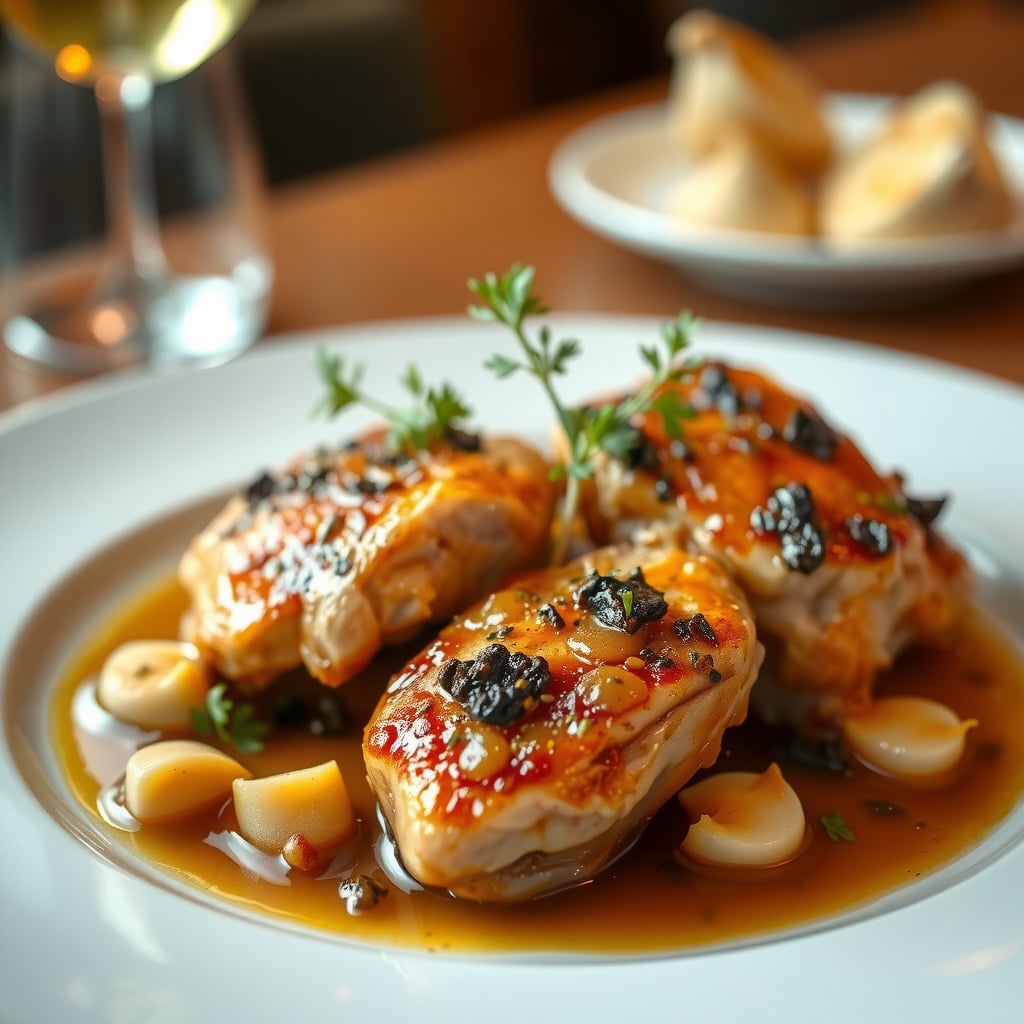
Braised Chicken Thighs in Liquid Gold Pan Sauce
60min
4
View Full Recipe →
Ready to simplify your meal planning?
Let OttoChef AI create personalized meal plans for your family in seconds.