
Mastering Salt-Crust Baking: Science of Succulent Fish & Roots
Learn the science behind salt-crust baking. Discover how encasing fish and root vegetables in salt creates a perfect steam chamber for juicy, flavorful results.
James Okonkwo
Food Writer
September 6, 2026
4 min read
7 views
Imagine sealing a delicate piece of fish or a dense root vegetable inside a custom-built, pressurized steam chamber. This is the reality of salt-crust baking—a culinary technique dating back to ancient Rome that remains one of the most effective ways to achieve unparalleled moisture and concentrated flavor in your home kitchen. While burying food in a mountain of salt might seem counterintuitive, the underlying science reveals a remarkably gentle cooking method that is easy to master.
How Salt-Crust Baking Works
When you mix coarse salt with water and egg whites, you create a moldable paste. In the oven, the heat solidifies this mixture into a hard, impermeable shell. This shell acts as a thermal buffer, slowing down heat transfer and preventing moisture from escaping.
Instead of the food's natural juices evaporating into the dry air of the oven, they are trapped inside, continuously basting the ingredient in its own steam. Because the heat is distributed evenly around the entire surface of the ingredient, you avoid hot spots and uneven cooking.
The Roman Connection
Salt-crust baking is historically documented back to the ancient Mediterranean. The Greek poet Archestratus, writing in the 4th century BCE, detailed wrapping delicate fish in salt to preserve its texture and moisture during cooking over open embers.
Decoupling the Myth of Saltiness
A common concern is that cooking food in a mountain of salt will render it inedible. However, because the skin of a fish or the outer skin of a root vegetable remains intact, the salt cannot penetrate deeply.
Instead, the salt creates a perfectly seasoned micro-environment. The moisture drawn out of the food dissolves a microscopic layer of the surrounding salt, which then seasons the surface of the food perfectly without oversaturating it.
“The salt crust is the ultimate culinary envelope, protecting delicate proteins from aggressive dry heat while concentrating their pure, unadulterated flavors.”
OttoChef Culinary TeamThe Step-by-Step Technique
Building a salt crust requires only a few basic pantry ingredients. Here is how to construct and execute a flawless crust in your own kitchen.
Mix the Crust
Combine coarse kosher salt or sea salt with egg whites and a splash of water until it reaches the consistency of wet sand. For every 1 kilogram (2.2 lbs) of salt, use approximately 2 to 3 egg whites.
Build the Bed
Line a baking sheet with parchment paper. Lay down an even, half-inch layer of the salt mixture slightly larger than the footprint of your fish or vegetable. This acts as the insulating foundation.
Position and Pack
Place your seasoned ingredient (like a whole gutted fish stuffed with herbs, or unpeeled beets) on the salt bed. Pack the remaining salt mixture over and around the food, patting it firmly to ensure there are no gaps or holes where steam could escape.
Bake and Crack
Bake at a high temperature, typically 400°F (200°C). Once cooked, let it rest for 10 minutes. Use a clean kitchen mallet or the back of a heavy spoon to gently crack open the hardened shell, brush away loose salt, and serve immediately.
Watch the Thermometer
Because you cannot see the food cook inside the crust, relying purely on time can be risky. Insert a probe thermometer through the salt crust into the thickest part of the fish or vegetable to monitor the internal temperature precisely.
Best Ingredients for Salt-Crust Baking
This technique is not universal, but it excels with specific ingredients that benefit from moist, gentle heat.
- Whole Fish: Fish cooked on the bone retains significantly more moisture. Snapper, sea bass, and trout are perfect candidates. Keep the scales on if possible; they act as an extra protective barrier against salt absorption.
- Root Vegetables: Beets, carrots, celery root, and potatoes thrive in a salt crust. The high heat caramelizes their natural sugars while the trapped moisture softens their dense starch structures, yielding a buttery texture that boiled or roasted vegetables rarely achieve.
Incorporate Aromatics
Infuse your salt crust with additional flavor by mixing in dried herbs like rosemary or thyme, citrus zest, or cracked spices like coriander and fennel seeds directly into the salt paste before baking.
Bringing the Technique to Your Kitchen
Don't let the theatrical nature of breaking open a salt crust intimidate you. It is a forgiving, scientifically reliable method that elevates simple ingredients into culinary centerpieces. Next time you want to prepare fish or root vegetables, skip the standard roasting pan and build a salt dome instead—your palate will thank you.
Try This Recipe
Now that you've learned about mastering the science of salt-crust baking to cook ultra-succulent fish and root vegetables, put your knowledge into practice with this recipe:
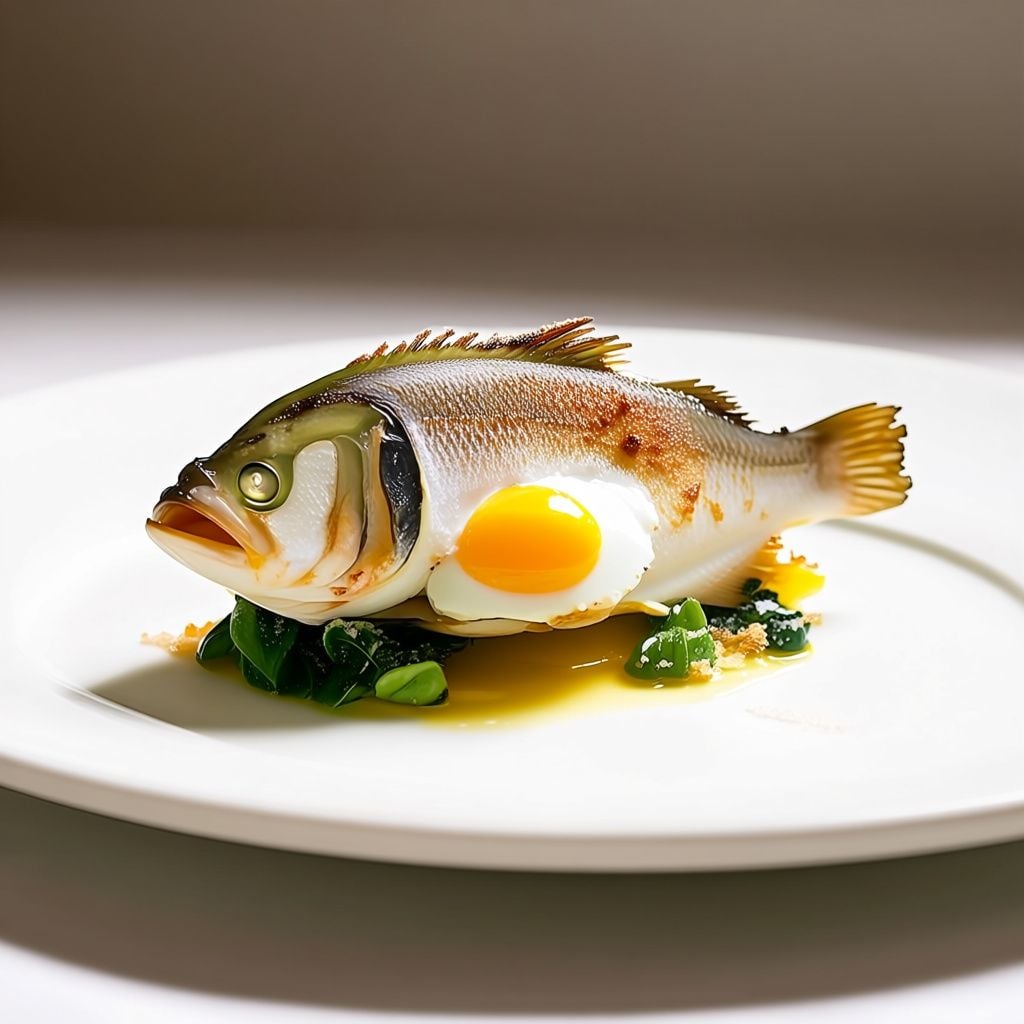
Salt-Crust Baked Whole Branzino with Herbed Citrus Stuffing
60min
4
View Full Recipe →
Ready to simplify your meal planning?
Let OttoChef AI create personalized meal plans for your family — free to use, no credit card.