
Mastering Protein Stretching: Budget Lessons from Global Cuisines
Discover how to make meat go further with time-tested culinary techniques from around the world. Learn about velveting, legume-pairing, and surface area.
Sofia Rossi
Kitchen Editor
May 28, 2026
5 min read
2 views
Managing a household food budget often revolves around a single, expensive variable: the protein. While many Western culinary traditions place a large, intact piece of meat at the center of the plate, this is far from the global norm. Historically, most cultures have viewed animal protein as a precious resource to be extended, flavored, and shared. By shifting our perspective from 'meat as the main' to 'meat as a component,' we can unlock a world of flavor while significantly reducing grocery costs. Stretching protein isn't about deprivation; it is about using culinary ingenuity to maximize texture and satisfaction.
Technique 1: The 'Meat as Condiment' Philosophy In many East Asian and Southeast Asian cuisines, the ratio of vegetables and grains to meat is often four-to-one or higher. The protein is sliced thinly, minced, or ground to ensure that every bite of the final dish contains a small amount of meat flavor. This approach relies on the principle of surface area—the more pieces you have, the more the savory notes are distributed throughout the meal. When you dice a single chicken breast into tiny cubes for a stir-fry, it creates dozens of flavor points compared to serving that same breast whole.
The History of Stretching
Many iconic dishes, such as Italian Bolognese or British Shepherd’s Pie, were originally designed to feed large families by finely mincing small amounts of meat and simmering them with abundant aromatics.
Technique 2: Strategic Bulking with Plant-Based Partners One of the most effective ways to stretch protein is by pairing it with ingredients that mimic its texture or absorb its fats. This is a hallmark of Mediterranean, Middle Eastern, and Latin American cooking. Legumes are the primary tool here. Lentils, for example, have a soft but distinct bite that blends seamlessly with ground beef or lamb. When you replace half of a ground meat portion with cooked lentils, you aren't just saving money; you are adding fiber and creating a more complex flavor profile.
Umami Boosters
When reducing the amount of meat in a dish, use 'umami bombs' like tomato paste, soy sauce, or dried mushrooms. These provide the savory depth that our palates associate with high-protein meals.
Technique 3: Maximizing Surface Area Through Mechanical Action In European traditions, the technique of pounding meat thin—seen in dishes like Schnitzel or Milanesa—serves two purposes. First, it tenderizes tougher, cheaper cuts by breaking down muscle fibers. Second, it physically expands the size of the protein on the plate. A four-ounce pork loin, when pounded thin, can cover an entire dinner plate. This visual abundance satisfies the diner's psychological expectation of a 'full' meal while using a fraction of the actual meat.
"The most sophisticated culinary traditions didn't emerge from abundance, but from the creative necessity of scarcity."
Chef's JournalTechnique 4: The Science of Velveting If you have ever wondered why the meat in professional stir-fries is so incredibly tender despite being cooked at high heat, the answer is velveting. This Chinese technique involves coating small pieces of protein in a mixture of cornstarch, egg whites, and sometimes bicarbonate of soda. This creates a protective barrier that prevents the fibers from toughening and allows the meat to retain moisture. Because the meat remains so tender, you can use smaller portions without them becoming dry or 'lost' in the dish.
Slice Thinly
Cut your protein against the grain into uniform, thin slices or bite-sized strips to ensure quick cooking and maximum coverage.
The Marinade
Toss the protein in a bowl with cornstarch, a splash of soy sauce, and a small amount of egg white or oil. Let it sit for 20 minutes.
The Quick Cook
Flash-fry the protein in a hot wok or poach it briefly in simmering water before adding it back to your vegetables and sauce.
Don't Over-Dilute
When stretching protein with grains or vegetables, remember to increase your seasoning. More bulk requires more salt, acid, and spice to prevent the dish from tasting washed out.
Technique 5: Grains as the Foundation Cuisines from the Levant to the Caribbean use grains not just as a side, but as the vessel for protein flavors. In a traditional pilaf or paella, the rice is toasted in the rendered fat of the meat. This ensures that even if there are only a few pieces of chorizo or chicken in the dish, every single grain of rice tastes like the protein. This 'fat-infusion' technique is a masterclass in efficiency, allowing a small amount of animal fat to carry the flavor profile of the entire meal.
Conclusion Learning to stretch protein is one of the most valuable skills a home cook can acquire. It encourages us to look beyond the steak-and-potatoes model and explore the vast landscape of global culinary wisdom. By focusing on techniques like velveting, mechanical pounding, and legume-pairing, we can create meals that are nutritionally balanced, culturally rich, and incredibly kind to our budgets. The next time you approach a meal, ask yourself not how much meat you need, but how you can make the meat you have work harder for you.
Try This Recipe
Now that you've learned about stretching proteins: techniques from world cuisines, put your knowledge into practice with this recipe:
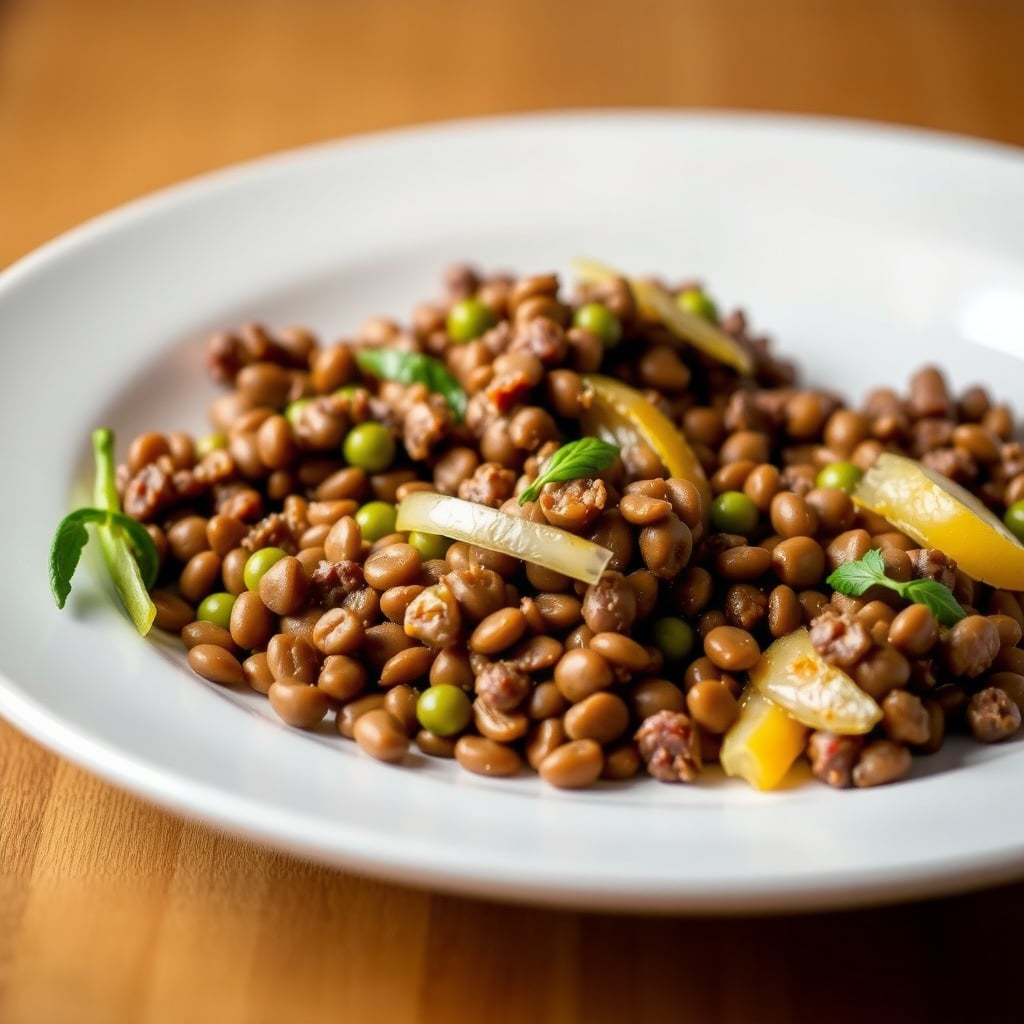
Savory Lentil and Beef Keema with Fragrant Peas
50min
4
View Full Recipe →
Ready to simplify your meal planning?
Let OttoChef AI create personalized meal plans for your family in seconds.