
Mastering Pantry Meals: Chef Secrets for Shelf-Stable Dinners
Learn to transform pantry staples into gourmet meals with professional techniques for building flavor, texture, and balance using only shelf-stable ingredients.
Marcus Rivera
Culinary Editor
June 2, 2026
5 min read
The 'empty fridge' scenario is a common culinary hurdle. You return home after a long day to find the produce drawer contains nothing but a withered scallion and a lemon of questionable age. While the instinct is to reach for a delivery app, your pantry likely holds the potential for a restaurant-quality meal. Cooking exclusively from shelf-stable ingredients is not just a budget-saving strategy; it is a fundamental skill that teaches you how to build flavor profiles from the ground up without relying on the crutch of fresh proteins or produce.
To master pantry cooking, you must shift your perspective. Instead of seeing a can of beans as a side dish, view it as a protein substrate. Instead of seeing a jar of sun-dried tomatoes as a garnish, see it as a source of concentrated acidity and umami. By understanding the functional role of each ingredient, you can create complex, satisfying meals at a moment's notice.
The Long Game
Shelf-stable doesn't mean eternal. While dried pasta and canned goods last years, spices lose potency after six months, and whole grains can turn rancid due to their natural oils. Rotate your stock using the 'First In, First Out' (FIFO) method used in professional kitchens.
The Pillars of a Chef-Grade Pantry
A successful pantry meal relies on four pillars: Foundation, Body, Brightness, and Texture. The foundation consists of your aromatics and fats. While fresh onions and garlic are ideal, your pantry should contain high-quality substitutes like shallot confit in oil, garlic paste, or even dried onion flakes that can be rehydrated.
The body of the dish comes from grains, legumes, or starches. Dried lentils, chickpeas, farro, and various pasta shapes provide the structural integrity of the meal. The brightness comes from acids—think vinegars, citrus juices, or fermented products like capers. Finally, texture is often what pantry meals lack; toasted nuts, seeds, or crispy breadcrumbs (migas) provide the necessary contrast to softer shelf-stable components.
Umami Boosters
Keep 'umami bombs' in your pantry to add depth without meat. Anchovy fillets, tomato paste, dried shiitake mushrooms, and miso paste are shelf-stable powerhouses that provide the savory 'fifth taste' essential for a satisfying meal.
Technique: Building Flavor Layers
When you lack the moisture and fat of fresh meat, you must work harder to develop flavor. This is achieved through caramelization and blooming. Simply boiling pasta and adding a jar of sauce is a missed opportunity. Instead, use the following technique to build a complex base for any shelf-stable stew, sauce, or grain dish.
Bloom Your Spices
Heat a small amount of oil or ghee in your pan. Add your dry spices (cumin, coriander, red pepper flakes) and toast them for 30-60 seconds until fragrant. This releases fat-soluble flavor compounds that stay trapped when spices are merely stirred into liquid.
The Tomato Paste Fond
If using tomato paste, add it to the oil after the spices. Sauté it until it turns from bright red to a deep rusty brick color. This process, called pincé, removes the raw metallic taste and develops a natural sweetness.
Deglaze with Purpose
Do not just use water. Use the liquid from a can of beans (aquafaba), a splash of dry vermouth (which is shelf-stable and lasts months), or even the rehydration liquid from dried mushrooms to scrape up the browned bits on the bottom of the pan.
"Constraint is the mother of culinary creativity. When you remove the easy options, you are forced to understand the science of flavor."
OttoChef Culinary TeamTexture and Contrast
The primary criticism of pantry-based cooking is that it can be 'mushy.' Canned beans, boiled grains, and jarred vegetables all share a similar soft profile. To elevate the dish, you must introduce a 'crunch factor.' Keep a stash of raw sunflower seeds, pepitas, or panko breadcrumbs. Sautéing breadcrumbs in a little olive oil with dried herbs creates a 'poor man's parmesan' that adds essential textural variety to pasta or bean stews.
Watch the Sodium
Shelf-stable goods, particularly canned vegetables and broths, are often high in salt. Always rinse canned beans thoroughly to remove excess sodium and starchy metallic-tasting liquid. Season your dish at the very end to avoid over-salting as the liquids reduce.
International Pantry Profiles
You can travel the world through your pantry by grouping ingredients into cultural flavor profiles. For a Mediterranean profile, lean on jarred artichokes, kalamata olives, capers, and dried oregano. For a Southeast Asian profile, ensure you have coconut milk, red curry paste, fish sauce, and rice noodles. For a Latin American profile, keep dried chiles, black beans, corn tortillas (which can be frozen or kept shelf-stable in some varieties), and cumin on hand.
By mastering these building blocks and techniques, you no longer see a 'nothing' kitchen. You see an opportunity to practice the art of the pantry—creating meals that are as sophisticated as they are economical.
Try This Recipe
Now that you've learned about pantry meals: delicious dinners from shelf-stable ingredients, put your knowledge into practice with this recipe:
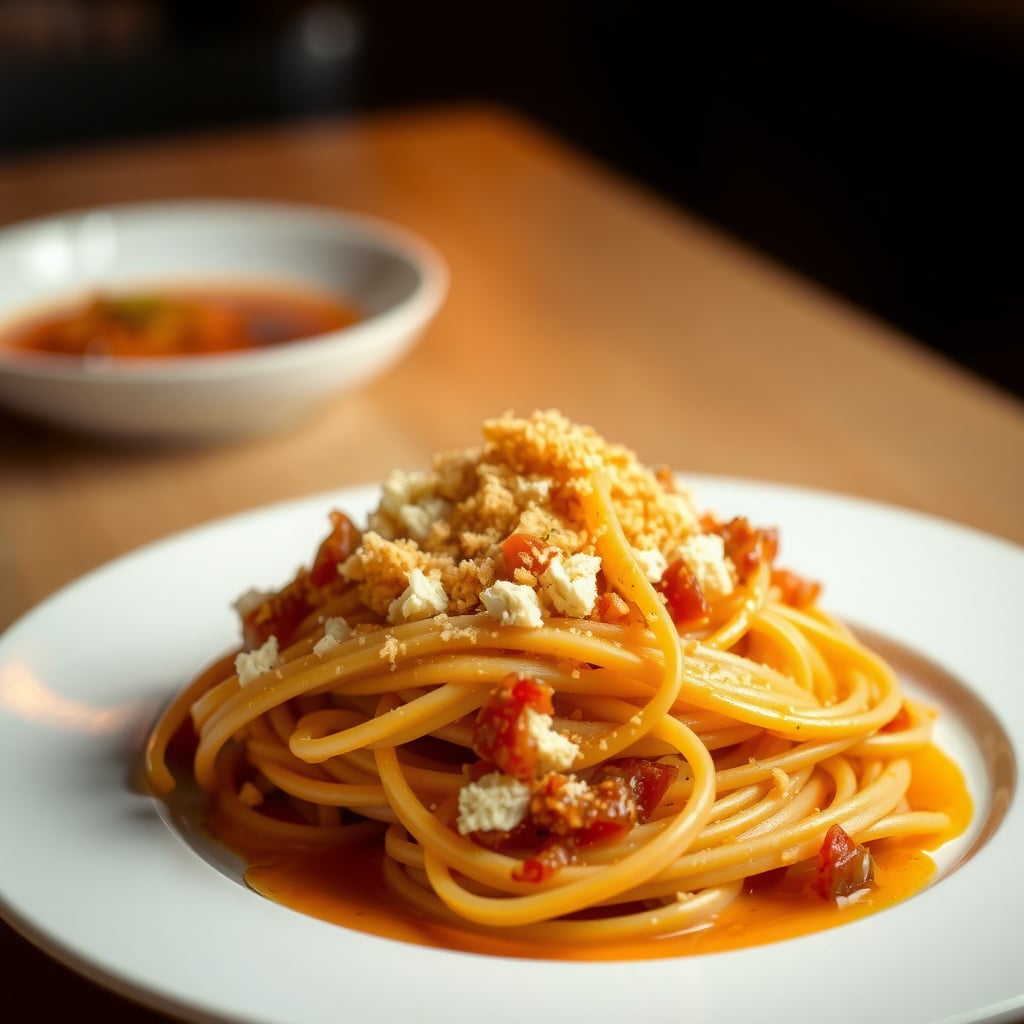
Pantry Power Pasta with Caramelized Tomato and Crispy Migas
25min
4
View Full Recipe →
Ready to simplify your meal planning?
Let OttoChef AI create personalized meal plans for your family in seconds.