
Mastering Mottainai: Turn Vegetable Scraps Into Savory Furikake
Learn the Japanese philosophy of Mottainai and discover how to transform leftover vegetable scraps into a delicious, budget-friendly homemade furikake seasoning.
Alex Thompson
Food Editor
August 29, 2026
5 min read
5 views
Every time we prep a meal, our cutting boards become a graveyard of potential. Carrot peels, radish greens, herb stems, and the tough outer leaves of brassicas are routinely swept into the compost bin or, worse, the trash. In a home kitchen, these discarded pieces represent lost culinary value and wasted grocery budget.
To combat this waste, we can look to a traditional Japanese concept that marries resourcefulness with profound respect for the natural world: Mottainai (もったいない). This philosophy translates roughly to "do not waste what is valuable" or "what a regret it is to waste." In the kitchen, Mottainai encourages cooks to view every scrap not as refuse, but as an ingredient waiting for its purpose.
One of the most delicious ways to apply this principle is by transforming humble vegetable scraps into a crunchy, umami-packed condiment known as furikake. By mastering this technique, you will elevate your everyday meals while driving your kitchen waste down to zero.
The Origins of Mottainai
The term Mottainai stems from Buddhist philosophy, expressing regret over waste and gratitude for the interconnected resources that bring food to our plates. It encourages us to value objects and ingredients down to their very last molecule, recognizing the labor, water, and soil that created them.
Understanding Furikake
Traditional Japanese furikake is a dry, shelf-stable seasoning designed to be sprinkled over hot rice, noodles, tofu, or vegetables. It typically features a base of toasted sesame seeds, chopped nori (seaweed), salt, sugar, and various savory elements like bonito flakes, dried fish, or shiso leaves.
By using the Mottainai principle, we can replace the traditional dried proteins with dehydrated, finely minced vegetable scraps. Green tops (from carrots, radishes, turnips, or beets), celery leaves, herb stems, and even paper-thin root peels are excellent candidates. When dehydrated and toasted with savory seasonings, these scraps turn into crispy, intensely flavored flakes that add texture and depth to any dish.
“True economy in the kitchen is not about spending less; it is about respecting the inherent value of every ingredient we bring across our threshold.”
Chef & Culinary EducatorSelecting Your Scraps
Not all vegetable scraps are created equal. To build a balanced furikake, you want to focus on leafy greens, tender stems, and mild root peels.
- Excellent Candidates: Carrot tops, radish greens, turnip greens, celery leaves, fennel fronds, herb stems (cilantro, parsley, dill), and kale ribs.
- Use in Moderation: Onion skins (too papery, though great for broth) or highly bitter greens like mustard greens, which can overpower the blend.
- Avoid: Tough, fibrous woody stems (like rosemary) or dirty root tips that cannot be fully cleaned.
Keep It Clean
Because you are using peels, tops, and stems—areas most prone to holding onto dirt—meticulous washing is mandatory. Soak your scraps in cold water and scrub them thoroughly before processing to avoid a gritty seasoning.
The Dehydration and Toasting Technique
The secret to successful scrap furikake is complete moisture removal. Moisture is the enemy of preservation; any remaining water will cause the furikake to lose its crunch and spoil quickly. We achieve this through a process of fine chopping, dry-pan roasting, and low-heat dehydration.
Clean and Prep
Thoroughly wash and dry your collected vegetable scraps, ensuring no grit remains. Spin them in a salad spinner or pat them dry with a clean kitchen towel to remove surface moisture.
Micro-Mince
Finely mince the scraps using a sharp chef's knife or pulse them in a food processor. Uniformity is key; smaller pieces dehydrate faster and distribute flavor more evenly in the final seasoning.
Dry Pan-Toasting
Place the minced greens in a wide skillet over medium-low heat. Do not add oil. Stir constantly to release and evaporate the vegetables' natural moisture. The greens will shrink significantly and begin to darken slightly.
Season and Concentrate
Once the steam subsides, splash in a small amount of soy sauce (for salt and umami) and mirin (for sweetness and shine). Continue to cook on low heat, stirring continuously, until the liquid is fully absorbed and the greens are dry and crumbly.
The Final Blend
Remove the pan from the heat. Stir in toasted white and black sesame seeds, crushed nori sheets, a pinch of sea salt, and a touch of sugar. Let the mixture cool completely on a baking sheet before storing.
Building the Flavor Profile
While the vegetable scraps provide the bulk and color, the seasoning components are what tie the furikake together. Aim for a balance of four key flavor profiles:
- Umami: Soy sauce, tamari, liquid aminos, or a pinch of monosodium glutamate (MSG). If you are not strictly plant-based, a few dried baby shrimp or bonito flakes add incredible depth.
- Sweetness: A touch of sugar or mirin balances the bitter edge of wild greens.
- Saltiness: Coarse sea salt, toasted nori, or dulse flakes.
- Texture: Toasted sesame seeds (both black and white) provide a nutty crunch that contrasts with the crispy greens.
The Crispy Test
To ensure your furikake has a long shelf life, test its moisture content. Press a cooled spoonful between your fingers; it should feel dry and paper-thin, not tacky or soft. If it's damp, return it to a low oven or skillet for a few more minutes.
Embracing Kitchen Resourcefulness
Adopting the Mottainai mindset in your kitchen does more than just lower your weekly grocery bill. It changes your relationship with ingredients, encouraging you to see creative potential where you once saw waste.
The next time you prep a bunch of carrots or trim a head of celery, pause before you reach for the trash bin. With a little patience, a sharp knife, and a hot skillet, those discarded greens can become the highlight of your next meal.
Try This Recipe
Now that you've learned about the japanese mottainai principle: transforming leftover vegetable scraps into savory furikake seasoning, put your knowledge into practice with this recipe:
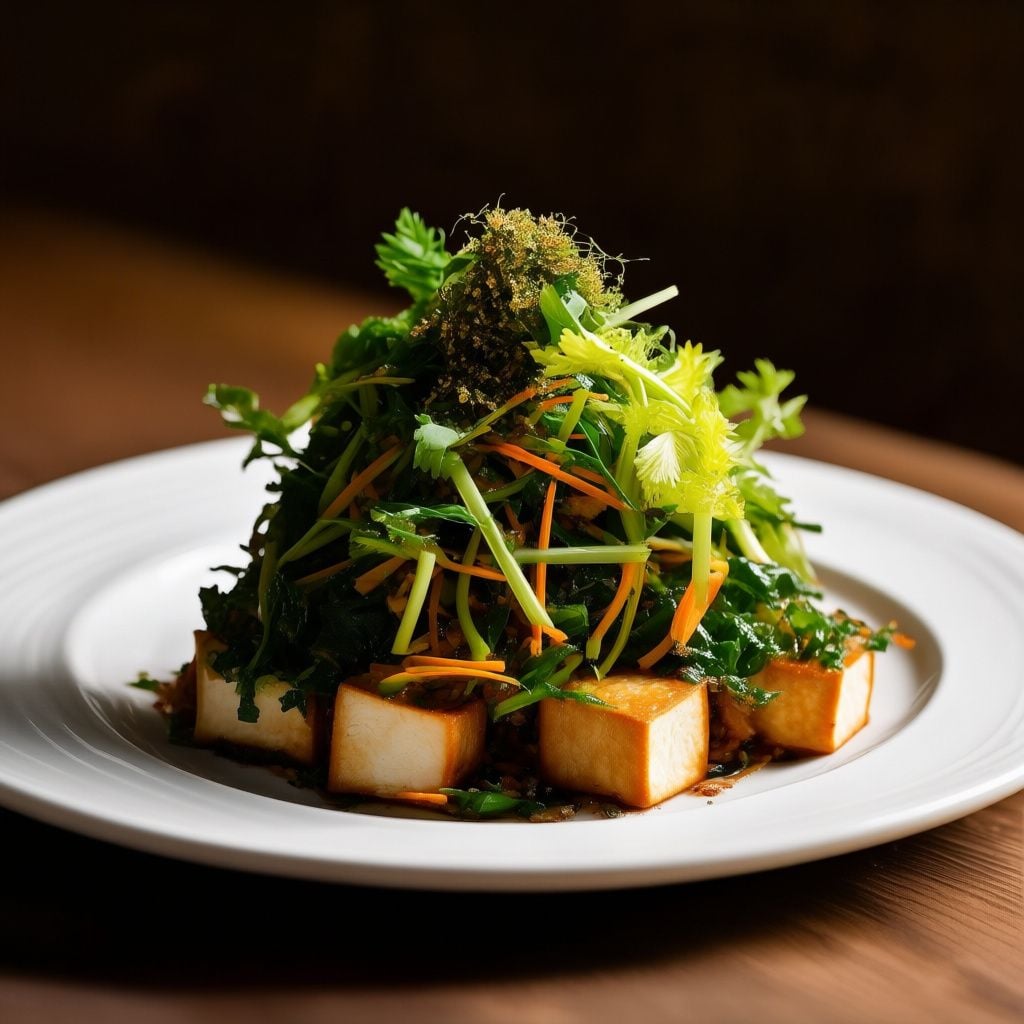
Mottainai Crispy Tofu Bowls with Scrap-Tops Furikake
60min
4
View Full Recipe →
Ready to simplify your meal planning?
Let OttoChef AI create personalized meal plans for your family — free to use, no credit card.