
Mastering Moroccan Tagine: The Art of North African Slow Cooking
Discover the secrets of authentic Moroccan tagine cooking. Learn traditional techniques, spice combinations, and layering methods for creating deeply flavorful slow-cooked dishes.
Emma Chen
Recipe Developer
February 12, 2026
8 min read
5 views
The first time you lift the conical lid of a tagine pot, steam billowing with the perfume of cumin, cinnamon, and preserved lemons, you understand why this cooking method has survived centuries. But here's what surprises most home cooks: you don't need a traditional tagine pot to master this transformative North African cooking technique. What you do need is an understanding of how slow, gentle heat and strategic layering create the complex, deeply satisfying flavors that define Moroccan cuisine.
Tagine cooking represents one of the world's most ingenious approaches to building flavor with minimal liquid and maximum aromatics. The technique developed in Morocco's diverse landscape—from coastal cities to mountain villages—where cooks needed to make the most of available ingredients while conserving precious water and fuel.
What Is a Tagine?
The word "tagine" refers both to the distinctive earthenware pot with its conical lid and the slow-cooked stew prepared inside it. The cone-shaped lid creates a unique convection system: steam rises, condenses on the cool interior surface, and drips back down to continuously baste the ingredients. This self-basting design makes tagine cooking incredibly forgiving.
The Foundation: Understanding Flavor Layering
Unlike Western braises that often start with browning meat in a separate step, traditional tagine cooking builds flavor through strategic layering. This isn't just about dumping ingredients in a pot—it's a deliberate architecture that determines how flavors develop and meld.
The base layer typically consists of aromatics: sliced onions, garlic, and fresh herbs like cilantro and parsley. These create a flavorful cushion that prevents ingredients from sticking while releasing their essences into the cooking liquid. Above this, you arrange your protein—lamb, chicken, fish, or vegetables—seasoned with your spice blend.
The Cushion Principle
Always create a bed of onions and herbs at the bottom of your tagine or pot. This prevents burning, adds flavor, and creates a natural sauce as the onions break down. Use about 2 large onions, thinly sliced, for every 2-3 pounds of protein.
The magic happens in the minimal liquid you add—often just a cup or two of water or broth. As the tagine cooks over very low heat, the ingredients release their own moisture, creating a concentrated, self-made sauce. This is fundamentally different from soup or stew cooking, where ingredients swim in liquid.
The Spice Philosophy: Balance Over Heat
Moroccan spice blends aim for warmth and complexity rather than heat. While many assume North African cuisine is fiery, authentic tagine cooking emphasizes aromatic spices that create depth without overwhelming the palate.
The cornerstone spice blend, ras el hanout, can contain anywhere from 10 to 30 different spices, but home cooks can achieve authentic flavor with a focused selection. The essential trio consists of cumin (earthy depth), coriander (citrusy brightness), and ginger (warming spice). From there, cinnamon adds subtle sweetness, turmeric provides golden color and earthiness, and paprika contributes mild pepper notes.
"The art of tagine cooking lies not in the complexity of your spice cabinet, but in understanding how slow heat transforms simple aromatics into profound flavor."
Traditional Moroccan sayingToast Your Spices
Heat whole spices in a dry pan over medium heat for 2-3 minutes until fragrant. This awakens their essential oils and intensifies flavor. Let cool, then grind. Toasted, freshly ground spices make an enormous difference in tagine cooking.
Bloom the Ground Spices
After arranging your aromatics, sprinkle your ground spice blend over the ingredients and drizzle with olive oil. Let this sit for 5-10 minutes before adding liquid. This "blooming" process allows the spices to release their fat-soluble compounds.
Add Liquid Sparingly
Pour liquid around the sides of the pot, not directly over the spices. Start with just enough to come one-third up the sides of your ingredients. You can always add more, but you can't take it away.
The Temperature Principle: Low and Slow Wins
Here's where many home cooks go wrong: they cook tagines too hot, too fast. Traditional tagine cooking happens over charcoal or very low flame, with heat barely visible under the pot. This gentle cooking allows flavors to develop gradually and proteins to become impossibly tender without toughening.
Whether using a traditional clay tagine, a Dutch oven, or a heavy-bottomed pot with a tight lid, aim for the barest simmer—you should see only occasional bubbles breaking the surface. On a stovetop, this usually means the lowest setting. In an oven, 300-325°F (150-165°C) works perfectly.
Avoid the Boil
If your tagine comes to a full boil, the proteins will tighten and toughen, and the sauce will reduce too quickly, potentially burning. The surface should barely shimmer. If using a clay tagine on direct heat, always use a diffuser to prevent hot spots.
Cooking times vary by ingredient: chicken pieces need 45-60 minutes, lamb shoulder requires 2-3 hours, and firm vegetables like carrots and potatoes need about 45 minutes. The goal is fork-tender protein and vegetables that hold their shape but yield easily.
The Sweet-Savory Balance: A Moroccan Signature
One of tagine cooking's most distinctive features is the interplay between savory and sweet elements. This isn't dessert-level sweetness—it's a subtle balance that adds complexity and rounds out the spices' earthiness.
Dried fruits like apricots, prunes, or dates are added in the last 30 minutes of cooking, allowing them to plump and soften while releasing natural sugars into the sauce. Honey might be drizzled in during the final minutes, creating a glossy, lightly sweet finish that complements rather than dominates.
The Preserved Lemon Secret
Preserved lemons—lemons cured in salt and their own juices—are tagine cooking's secret weapon. They provide intense citrus flavor without acidity, adding brightness that cuts through rich, spiced sauces. Use just the rind, thinly sliced, added in the last 15-20 minutes of cooking. A little goes a long way—start with 1-2 tablespoons for your first attempts.
Olives—typically the purple-black Moroccan variety or green olives—add briny depth. Like preserved lemons, they're added near the end to prevent their flavors from becoming muddy during long cooking.
Adapting Tagine Technique Without Traditional Equipment
You absolutely can create authentic tagine flavors without a traditional clay pot. The key is replicating the gentle, moist heat environment the conical lid creates.
A Dutch oven or heavy pot with a tight-fitting lid works beautifully. The heavy bottom prevents scorching, and the tight lid traps moisture. You can even cook tagines in a slow cooker on low, though you'll miss the concentrated, slightly caramelized flavors that develop with stovetop or oven cooking.
Creating the Tagine Effect
If your pot's lid doesn't seal tightly, place a sheet of parchment paper directly on the ingredients before adding the lid. This creates an additional moisture barrier that mimics a traditional tagine's self-basting action. Some cooks even place a folded kitchen towel between pot and lid to ensure no steam escapes.
For oven cooking, which provides the most even, gentle heat, start the tagine on the stovetop to bring it to temperature, then transfer to a preheated oven. This method offers excellent results with minimal monitoring.
The Finishing Touches: Texture and Garnish
Traditional tagine presentation includes textural contrasts that elevate the dish from simple stew to something special. Toasted almonds or sesame seeds add crunch against the tender, slow-cooked ingredients. Fresh herbs—cilantro, parsley, or mint—provide bright, fresh notes that contrast with the deep, cooked flavors.
A final drizzle of high-quality olive oil or argan oil adds richness and sheen. These finishing oils aren't cooked—they're stirred in at the table or drizzled over individual portions, preserving their delicate flavors.
The Resting Period
Like all braises, tagines improve with rest. If possible, cook your tagine a day ahead. The overnight rest allows flavors to marry and deepen. Reheat gently, adding a splash of water if the sauce has thickened too much. Many Moroccan cooks insist tagines taste best on the second day.
Building Your Tagine Repertoire
Once you understand these fundamental principles—layering, gentle heat, spice balance, and the sweet-savory interplay—you can create countless variations. Lamb with prunes and almonds, chicken with preserved lemons and olives, fish with tomatoes and peppers, or vegetarian versions with chickpeas and seasonal vegetables all follow the same basic technique.
The beauty of tagine cooking lies in its flexibility within structure. The method remains constant, but the ingredients can shift with seasons, availability, and personal preference. Master the technique, and you've unlocked not just one dish, but an entire approach to building deep, complex flavor through patient, mindful cooking.
Start with a simple version—perhaps chicken thighs with onions, preserved lemon, and olives. As you become comfortable with the layering, timing, and heat management, expand your spice combinations and ingredient choices. Each tagine you cook will deepen your understanding of how this ancient technique transforms simple ingredients into something extraordinary.
The gentle steam rising from beneath that conical lid carries centuries of culinary wisdom, proving that sometimes the most profound flavors come not from aggressive heat or elaborate techniques, but from patience, balance, and respect for ingredients. That's the true lesson of tagine cooking—one that will transform not just your Moroccan dishes, but your entire approach to slow cooking.
Try This Recipe
Now that you've learned about moroccan tagine: slow-cooked north african flavors, put your knowledge into practice with this recipe:
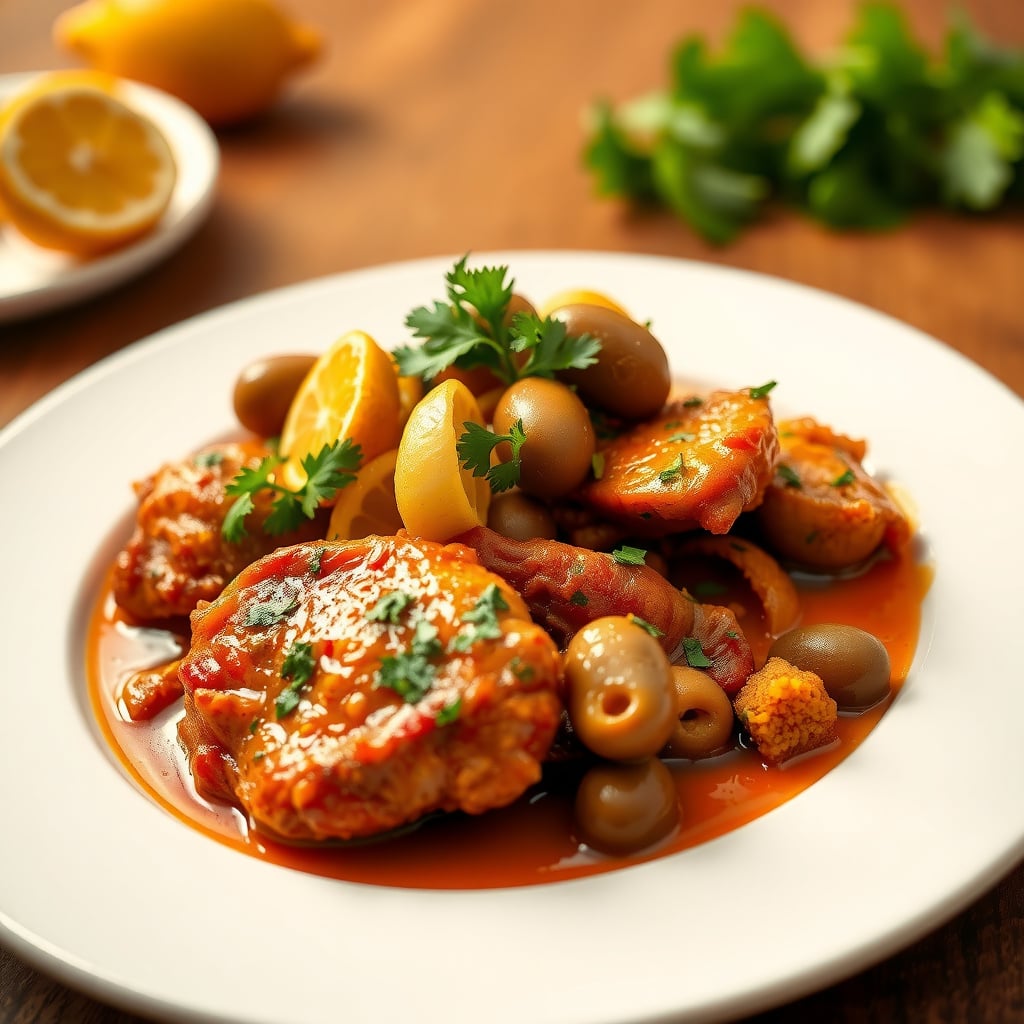
Moroccan Chicken Tagine with Preserved Lemons and Green Olives
100min
4
View Full Recipe →
Ready to simplify your meal planning?
Let OttoChef AI create personalized meal plans for your family in seconds.