
Mastering Monter au Beurre: The Science of Glossy Pan Sauces
Learn the French culinary technique of monter au beurre. Discover the kitchen science of emulsifying cold butter into pan sauces for a glossy finish.
Lily Nakamura
Recipe Editor
August 22, 2026
5 min read
Have you ever drizzled a homemade pan sauce over a perfectly seared chicken breast, only to watch it instantly split into a puddle of grease and watery liquid? It is a frustrating moment that many home cooks experience. Restaurant sauces, by contrast, cling beautifully to proteins with a glossy, velvety sheen. The secret to this professional finish is not a complicated chemical additive; it is a classic French technique called monter au beurre.
Understanding Monter au Beurre
Literally translating to "to mount with butter," this technique involves whisking cold cubes of unsalted butter into a hot, reduced liquid just before serving. It transforms a thin, acidic pan reduction into a rich, cohesive sauce that coats the back of a spoon.
Unlike melting butter over vegetables, monter au beurre relies on emulsification. An emulsion is a mixture of two liquids that do not naturally combine, such as oil and water. When done correctly, this technique suspends microscopic droplets of fat throughout the liquid, altering both the texture and the flavor profile of your sauce.
The Origins of the Pan Sauce
While emulsified sauces have existed for centuries, monter au beurre became a cornerstone of French haute cuisine in the 19th and 20th centuries, championed by legendary chefs like Georges Auguste Escoffier to elevate simple deglazed pan juices into refined masterpieces.
The Science of the Emulsion
Why does cold butter work where warm or melted butter fails? To understand this, we have to look at the physical structure of butter itself. Butter is a natural emulsion consisting of roughly 80% milkfat, 16% to 18% water, and 1% to 2% milk solids.
When you add cold butter to a warm liquid, it melts slowly. As it melts, the water and milk solids act as natural emulsifiers, helping to suspend the dispersing fat droplets throughout the liquid. If you use warm or melted butter, the fat has already separated from the water, meaning it will immediately float to the top of your sauce and create an oily layer.
Temperature control is critical. If the sauce is too cold, the butter will not melt. If the sauce is boiling, the heat will break the delicate emulsion, separating the fat from the liquid. The ideal temperature for emulsification is between 130°F and 140°F (54°C to 60°C).
Keep Your Butter Cold
Never use room-temperature or melted butter for this technique. Warm butter lacks the stable crystalline structure needed to create a slow, controlled melt, which almost guarantees your sauce will break into an oily mess.
“An emulsion is a fragile partnership between oil and water, held together by temperature, physical agitation, and patience.”
OttoChef Culinary TeamStep-by-Step: How to Mount with Butter
To master this technique, follow these steps immediately after cooking your main protein in a pan.
Reduce the Liquid
Start with your deglazed pan sauce (using stock, wine, or vinegar) and reduce it over medium-high heat until it has a concentrated flavor and a slightly syrupy consistency. Turn the heat down to low or pull the pan off the burner entirely.
Prep the Butter
Cut cold, unsalted butter into small, even cubes (about half-inch size). Keep them in the refrigerator until the exact moment you need them to ensure they stay solid.
Agitate and Incorporate
Add a few cubes of cold butter to the pan. Immediately begin swirling the pan vigorously in a circular motion or whisking constantly. This physical movement breaks the melting fat into tiny droplets while distributing the emulsifying milk solids.
Control the Temperature
Add more butter cubes gradually, continuing to swirl. If the sauce looks too hot and starts to separate, pull the pan off the heat. If the butter stops melting, return it to very low heat briefly. Serve immediately once all butter is fully incorporated.
The Spoon Test
To check if your sauce is perfectly emulsified, dip a clean spoon into it. The sauce should coat the back of the spoon evenly without running off instantly—a culinary state known as nappe. If you draw your finger through the coating, the line should remain clear.
Troubleshooting a Broken Sauce
Even experienced chefs occasionally break a sauce. If you notice oily droplets separating from the liquid, do not panic. You can often rescue the emulsion by using one of these two methods:
- The Splash of Water: Remove the pan from the heat source immediately. Add a teaspoon of ice-cold water or stock and whisk vigorously. The cold liquid helps lower the overall temperature and provides a fresh base for the fat to bind to.
- The Off-Heat Whisk: If the sauce is too hot, simply pour it into a cool bowl and whisk rapidly. Removing it from the hot pan stops the thermal energy from breaking the emulsion further.
By practicing this essential technique, you can elevate simple pan juices into velvety, restaurant-quality sauces that perfectly complement your home-cooked meals.
Try This Recipe
Now that you've learned about mastering monter au beurre: the science of emulsifying cold butter into pan sauces, put your knowledge into practice with this recipe:
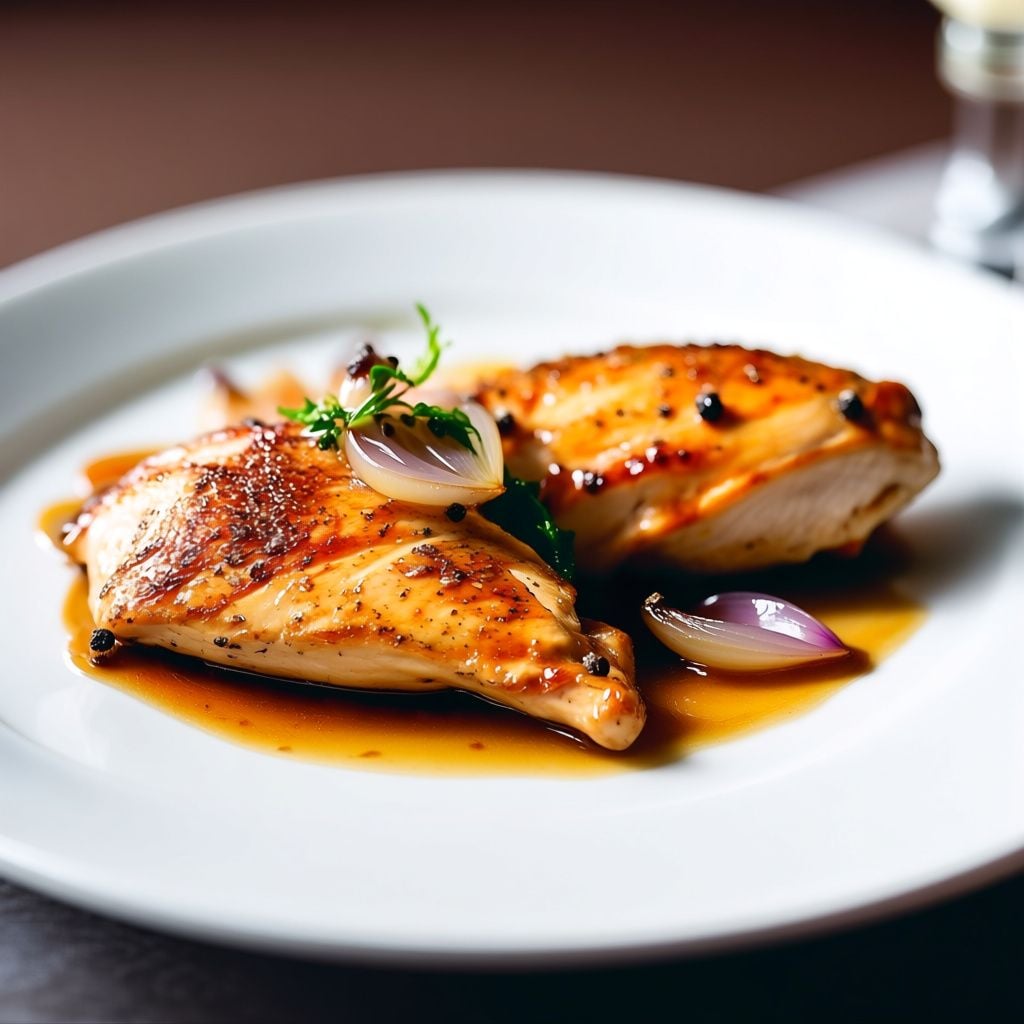
Pan-Seared Chicken Breasts with White Wine and Shallot Pan Sauce
35min
4
View Full Recipe →
Ready to simplify your meal planning?
Let OttoChef AI create personalized meal plans for your family — free to use, no credit card.