
Mastering Mise en Place: The Key to Professional Home Cooking
Discover how mise en place—the professional practice of kitchen organization—can eliminate cooking stress, improve flavor, and streamline your meal prep routine.
Sofia Rossi
Kitchen Editor
May 13, 2026
6 min read
3 views
The kitchen often feels like a battlefield when you are racing against a hot pan. You reach for the salt, only to find the container empty. You need to mince garlic, but the onions in the skillet are already turning from translucent to burnt. This chaotic environment is the primary reason many home cooks find meal preparation exhausting rather than enjoyable. The solution used by every professional kitchen across the globe is a practice called mise en place. Translated from French, it means "everything in its place." It is more than just a technique; it is a philosophy that prioritizes preparation over reaction. By adopting this system, you can eliminate the stress of the cooking process and focus on the nuances of flavor and technique.
Professional Roots
The concept of mise en place was formalized by Georges Auguste Escoffier in the late 19th century as part of the brigade de cuisine system. It was designed to ensure that a high-volume kitchen could operate with the precision of a clock, where every component of a dish was ready before the heat was even applied.
The shift from reactive cooking to proactive cooking begins with your mindset. When you cook reactively, you are constantly playing catch-up, trying to keep pace with the physical chemical reactions happening in your pans. When you cook with mise en place, you are always one step ahead. This mental clarity allows you to observe how ingredients change in the pan—noticing the exact moment butter browns or a sauce emulsifies—rather than frantically chopping the next item while your back is turned to the stove.
"Mise en place is the religion of all good cooks."
Anthony BourdainTo implement this in your own kitchen, you need a repeatable workflow that begins before you ever touch a knife. Professional chefs view their station as a sacred workspace, and you can achieve the same results by following a specific sequence of actions.
The Recipe Audit
Read your recipe from start to finish at least twice. Identify not only the ingredients but also the specific tools required—such as colanders, whisks, or specific pan sizes. This prevents the mid-cook realization that you do not have a clean bowl ready for a critical step.
Station Preparation
Clear your workspace entirely. A cluttered counter leads to a cluttered mind and increases the risk of accidents. Gather all the hardware you identified in step one and place them within arm's reach of your primary prep area.
The Physical Prep
This is where the majority of the work happens. Peel, chop, grate, and measure every single ingredient before the heat is turned on. If a recipe calls for a tablespoon of soy sauce, measure it into a small bowl now, rather than fumbling with the bottle over a steaming pot.
Chronological Organization
Arrange your prepped ingredients in the order they will enter the pan. Grouping items that are added at the same time into a single vessel further streamlines the process and ensures nothing is forgotten.
The Trash Bowl
Keep a large "scraps" bowl on your counter while you prep. This saves you dozens of trips to the trash can and keeps your cutting board clear of debris, which is both safer and more efficient for maintaining a clean workspace.
Efficiency is also about selecting the right tools for organization. While you do not need professional-grade equipment, having a variety of small vessels makes a significant difference. Nesting glass ramekins or stackable deli containers are inexpensive and allow you to see your ingredients clearly. These containers are the backbone of an organized station, allowing you to stack your "mise" and save counter space.
One common mistake is neglecting the timing of certain delicate ingredients during the prep phase.
The Garlic Trap
Never prep garlic at the same time as hearty vegetables like carrots or onions if they are meant to be added at different stages. Garlic burns quickly; if you chop it too early and leave it on a crowded board, it might end up in the pan prematurely or lose its aromatic potency.
Beyond the immediate ease of cooking, mise en place significantly reduces the cleanup burden. Because you have finished all your chopping and measuring before you start cooking, you can often wash your prep bowls and cutting boards while the food is simmering or roasting. By the time you sit down to eat, the kitchen is already largely restored to order. This transforms the post-dinner experience from a daunting chore into a simple task of clearing the table.
The Science of Flavor
Preparation also impacts the chemical outcome of your food. For instance, many aromatics like onions and garlic develop better flavor profiles when they have a few minutes to sit after being cut. Mise en place gives these ingredients the time they need to undergo necessary enzymatic reactions before they are exposed to heat.
For those who practice weekly meal prepping, mise en place is the ultimate force multiplier. When preparing multiple meals at once, the risk of cross-contamination or forgetting a critical component increases. By setting up a dedicated "mise" for each dish, you ensure consistency across your entire week's menu.
Batch Prepping
When meal prepping, look for "common denominators"—ingredients used in multiple recipes. Prep all of your onions at once, then divide them into the specific quantities needed for each dish. This maximizes your knife time and minimizes the number of times you need to clean your equipment.
In conclusion, mastering mise en place is the single most effective way to elevate your home cooking from a stressful necessity to a creative craft. It provides the structure needed to experiment with more complex techniques and ensures that every meal you serve is executed with intention and precision. The next time you step into the kitchen, take a breath, clear your counter, and put everything in its place before you turn on the stove. Your cooking will improve, and your stress levels will vanish.", "tags": ["culinary techniques", "kitchen organization", "meal prep", "professional skills", "cooking basics"], "seoKeywords": ["mise en place", "kitchen workflow", "cooking efficiency"]}
Try This Recipe
Now that you've learned about the art of mise en place and why it transforms your cooking, put your knowledge into practice with this recipe:
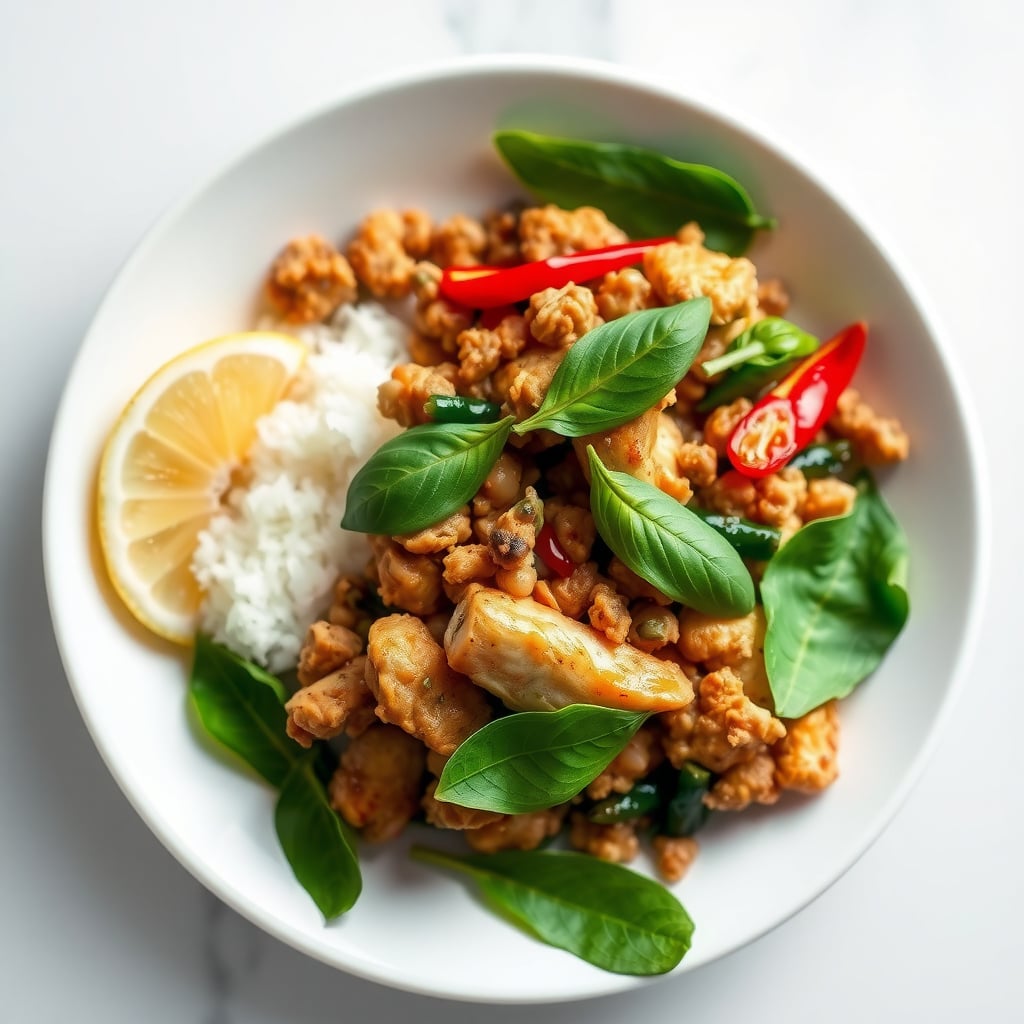
Quick Thai-Style Basil Chicken (Pad Krapow Gai)
30min
2
View Full Recipe →
Ready to simplify your meal planning?
Let OttoChef AI create personalized meal plans for your family in seconds.