
Mastering Legumes: Transforming Budget Proteins into Gourmet Staples
Unlock the full potential of beans and lentils with professional cooking techniques. Learn about soaking, flavor layering, and texture control for budget-friendly meals.
Daniel Park
Culinary Contributor
June 14, 2026
6 min read
Many home cooks view dried beans and lentils as a fallback—a shelf-stable backup for when the fridge is empty or the grocery budget is tight. However, legumes are the backbone of some of the world's most sophisticated culinary traditions, from French cassoulet to Indian dhal and Brazilian feijoada. Mastering these humble ingredients allows you to create deeply satisfying, protein-rich meals for a fraction of the cost of animal proteins. The transition from 'bland' to 'brilliant' lies not in the bean itself, but in the technique used to prepare it.
Developing a mastery over legumes requires shifting your perspective. Instead of seeing them as a side dish, view them as a primary substrate for flavor. Because dried beans and lentils are neutral and porous, they act as sponges for the aromatics, fats, and spices they are cooked with. When you control the hydration and the infusion process, you elevate a pantry staple into a dish that rivals any expensive cut of meat in complexity and mouthfeel.
The Power of Aquafaba
The viscous liquid left over from cooking chickpeas is called aquafaba. It contains proteins and starches that allow it to mimic egg whites in foams, meringues, and emulsions. Never pour this 'liquid gold' down the drain; it is a versatile tool for vegan baking and sauce thickening.
The Science of Preparation: To Soak or Not to Soak?
The debate over soaking beans is long-standing, but the science points to clear benefits for most varieties. Soaking achieves two primary goals: it reduces cooking time and improves texture. When beans hydrate slowly in cool water, the skins soften uniformly, which prevents the common problem of beans bursting open while the centers remain chalky.
For most larger beans, like kidney, navy, or pinto, an overnight soak (8–12 hours) is ideal. However, lentils and split peas are small enough that they do not require soaking; they cook through in 20 to 40 minutes depending on the variety. If you find yourself short on time, the 'quick soak' method—bringing beans to a boil, turning off the heat, and letting them sit for an hour—is a functional compromise, though it rarely produces the same buttery consistency as a long, cold soak.
The Acid Factor
Never add acidic ingredients like tomatoes, vinegar, lemon juice, or wine to your pot until the beans are fully tender. Acid reacts with the cell walls of the legumes, toughening the skins and preventing the starches from softening. This can lead to beans that stay crunchy even after hours of boiling.
Building the Flavor Foundation
To move beyond the 'canned' taste, you must build layers of flavor from the very beginning of the cooking process. This starts with a classic aromatic base. Depending on the cuisine you are exploring, this might be a French mirepoix (onion, carrot, celery), a Spanish sofrito (onion, garlic, peppers), or the Indian 'holy trinity' of garlic, ginger, and green chilies.
"The humble bean is the ultimate canvas for culinary expression, absorbing the essence of spices and fats with remarkable efficiency."
OttoChef Culinary TeamDon't just boil your beans in plain water. Use high-quality stock or, at the very least, water heavily seasoned with aromatics. A head of garlic sliced crosswise, a few bay leaves, a halved onion, and a bundle of hardy herbs like rosemary or thyme will transform the cooking liquid into a rich broth that seasons the beans from the inside out.
Sort and Rinse
Always spread your dried legumes out on a flat surface to check for small stones or debris that may have been missed during mechanical harvesting. Rinse them thoroughly in a colander under cold water.
The Long Soak
Place beans in a large bowl and cover with at least three inches of water. Add a tablespoon of salt to the soaking water; contrary to old kitchen myths, a salt-water soak actually helps tenderize the skins by replacing calcium and magnesium ions with sodium.
Aromatic Sauté
Before adding the beans to the pot, sauté your aromatics in a healthy amount of fat. Whether using olive oil, butter, or rendered pork fat, this step blooms the flavors of your vegetables and spices, creating a base that the beans will eventually absorb.
The Gentle Simmer
Add the soaked beans and fresh liquid to the pot. Bring to a boil, then immediately reduce to a very low simmer. Rapid boiling causes beans to knock against each other and break, resulting in a mushy mess. A gentle bubble ensures the beans remain intact but tender.
The Finish
Once the beans are creamy throughout, this is the time to add your acids (like lime juice or vinegar), fresh herbs, and any final adjustments of salt. Letting the beans cool slightly in their own liquid will allow them to reabsorb some of the concentrated flavors of the pot liquor.
Understanding Varietal Nuances
Not all legumes are created equal, and choosing the right one for your intended texture is crucial. Lentils, in particular, vary wildly in their behavior. Red and yellow lentils (common in Middle Eastern and Indian cuisines) break down quickly into a thick puree, making them perfect for soups and thickening agents. On the other hand, French Green (Puy) lentils or Black Beluga lentils hold their shape perfectly even when fully cooked, making them the superior choice for warm salads or as a bed for roasted vegetables.
The Freezer Shortcut
Cook a double or triple batch of beans during your weekend meal prep. Once cooled, freeze them in 15-ounce portions (the size of a standard can) along with some of their cooking liquid. They retain better texture than store-bought canned versions and make weeknight cooking significantly faster.
Similarly, the bean you choose dictates the final mouthfeel of your dish. Cannellini beans are prized for their thin skins and silky, creamy interiors—ideal for Italian-inspired stews. Chickpeas (garbanzos) have a firmer, nuttier bite that stands up well to high-heat roasting or long braises. By matching the variety to the technique, you ensure that your budget-friendly meal feels intentional and expertly crafted.
Texture and Mouthfeel: The Role of Fat
One of the reasons restaurant beans often taste better than home-cooked versions is the generous use of fat. Because legumes are virtually fat-free, they require an external source to provide a luxurious mouthfeel. While the beans are simmering, the starches they release emulsify with the cooking fat, creating a thick, velvety sauce. If you are keeping the dish vegetarian, a finishing drizzle of high-quality extra virgin olive oil or a swirl of tahini can provide this necessary richness. For those who eat meat, a small amount of salt pork, guanciale, or even a leftover parmesan rind simmered in the pot adds a depth of umami that makes the dish feel incredibly substantial.
By focusing on these professional techniques—proper hydration, aromatic infusion, and temperature control—you can turn the most inexpensive ingredients in your pantry into the highlight of your culinary repertoire. Legumes are not just a budget compromise; they are a versatile, nutritious, and deeply flavorful category of food that rewards the patient and thoughtful cook.
Try This Recipe
Now that you've learned about beans and lentils: budget protein that tastes amazing, put your knowledge into practice with this recipe:
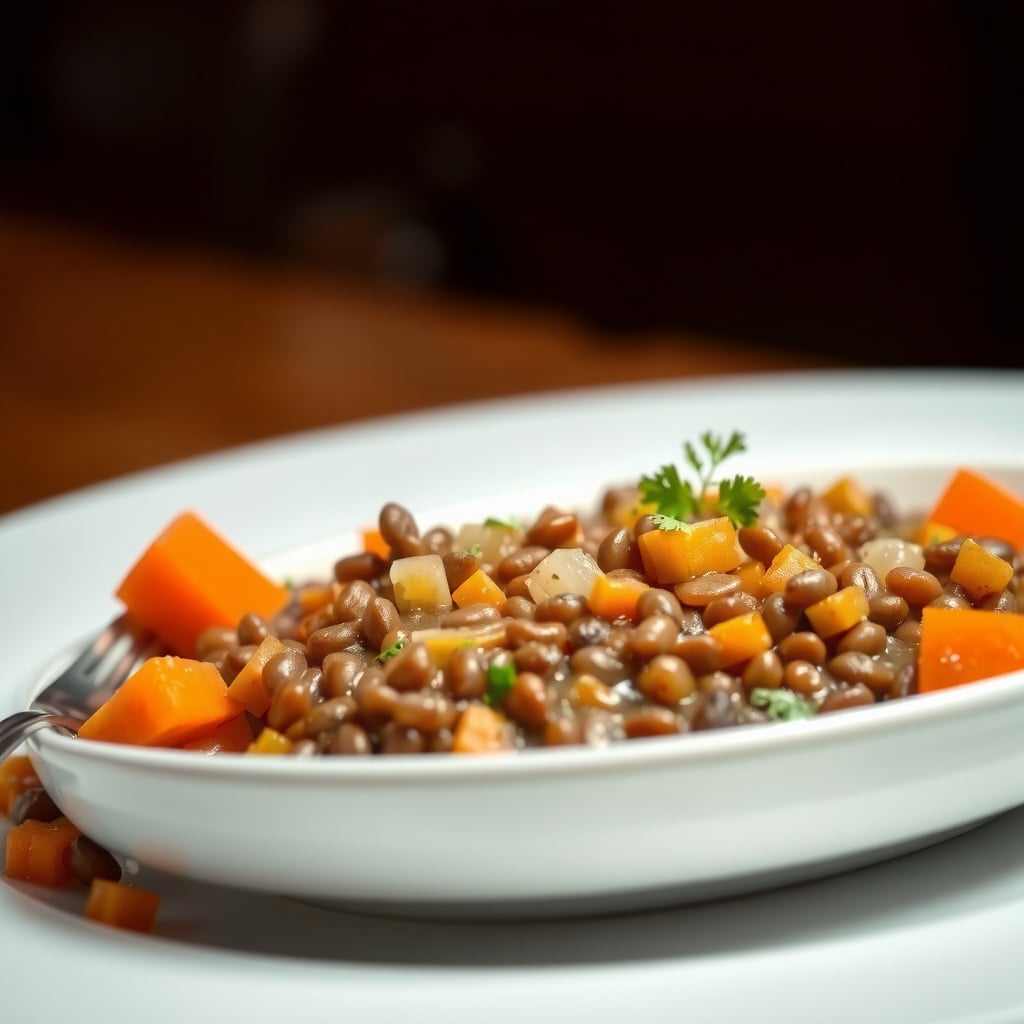
Smoky Spanish Lentil Stew with Garlic Sofrito
60min
4
View Full Recipe →
Ready to simplify your meal planning?
Let OttoChef AI create personalized meal plans for your family in seconds.