
Mastering Korean Flavors: The Science of Fermentation and Balance
Learn the fundamental pillars of Korean cuisine, from fermented 'Jang' to the art of banchan, and how to balance heat and depth in your home cooking.
Marcus Rivera
Culinary Editor
June 22, 2026
6 min read
Understanding Korean cuisine requires looking past the vibrant red hue of its most famous dishes. At its core, the Korean table is a masterclass in balance, achieved through the strategic use of fermented ingredients, varied heat levels, and a unique approach to meal structure known as banchan. For the home cook, these principles offer a powerful framework for building flavor and simplifying meal preparation. The foundation of almost every Korean dish lies in 'Jang'—fermented pastes that provide an immediate hit of umami and depth that would otherwise take hours of simmering to achieve. Unlike many Western techniques that rely on reducing stocks or heavy fats for richness, Korean cooking uses these fermented bases to create a flavor profile that feels substantial yet remains physically light.
The Ancient Art of Jang
Jang refers to a family of fermented soy-based condiments. The most common are Ganjang (soy sauce), Doenjang (soybean paste), and Gochujang (chili paste). These ingredients are often aged for months or even years, allowing complex microbial activity to transform simple legumes into flavor powerhouses.
When planning your meals, think of these pastes as your primary seasoning agents rather than mere condiments. Doenjang, for instance, provides an earthy, pungent saltiness that is far more complex than salt alone. It contains high levels of glutamic acid, the source of umami, which satisfies the palate and reduces the need for excessive fats. When used in stews or marinades, it acts as a flavor anchor, grounding brighter or spicier ingredients. Gochujang, on the other hand, provides a thick, syrupy texture alongside its heat, as it is made with fermented soybeans, red chili, and glutinous rice. This combination allows it to act as both a sweetener and a thickening agent in sauces.
Avoid Boiling Gochujang Too Long
While Gochujang is fermented, boiling it for extended periods can dull its vibrant color and turn its fermented sweetness slightly bitter. For stews, add the bulk of your paste early, but consider whisking in a final teaspoon near the end of cooking to maintain its bright profile.
The concept of heat in Korean cooking is equally nuanced. It is rarely about heat for its own sake; rather, it is about 'Ssi-won-han-mat'—a term often translated as 'refreshing' or 'cool,' even when referring to a piping hot, spicy soup. This sensation comes from balancing the capsaicin of Gochugaru (red chili flakes) with ingredients that provide clarity, such as radish, garlic, and ginger. Korean cuisine treats heat as one part of a larger ecosystem, where the goal is to stimulate the palate without overwhelming it.
"The beauty of Korean cuisine lies in its ability to be simultaneously aggressive and delicate, using fermentation to bridge the gap between fire and earth."
OttoChef Culinary TeamTo achieve this balance, Korean cooks often use a technique of layering different types of heat. There is the immediate, sharp bite of raw garlic, the slow-burning warmth of dried chili, and the deep, funky heat of fermented pepper paste. Understanding how these interact allows you to customize the heat level of your meals without losing the characteristic depth. For example, if you want a cleaner, sharper heat, you would lean more heavily on fresh ginger and Gochugaru. If you want a rounder, more lingering heat, you would increase the ratio of Gochujang.
Choosing Your Chili
Gochugaru is distinct from standard chili flakes found in Western grocery stores. It is seedless and sun-dried, offering a smoky, fruity flavor with a consistent heat level. Always look for 'sun-dried' (taek-yang-cho) on the label for the best color and flavor.
Beyond individual ingredients, the philosophy of 'Son-mat', or 'hand-taste', is central to the cuisine. It suggests that the flavor of a dish is a reflection of the cook's care and the physical contact they have with the food. This is particularly evident in the preparation of 'Muchim' (seasoned salads), where vegetables are massaged by hand with seasonings to ensure every crevice is coated and the textures are slightly softened. This tactile approach to cooking encourages a deeper connection to the ingredients and a more intuitive sense of seasoning. It also allows the cook to feel the 'Soom'—the vitality or crispness—of the produce, adjusting the pressure of the massage to avoid bruising delicate greens while softening tougher roots.
The Science of Lacto-fermentation
Kimchi is the result of Lactobacillus bacteria converting sugars into lactic acid. This process not only preserves the vegetables but also creates a natural acidity that cuts through rich, grilled meats and balances the saltiness of fermented pastes.
One of the most effective meal-planning strategies is the implementation of Banchan. These are small side dishes served alongside rice. In a Korean household, meal prep often involves making large batches of three or four different banchan—such as seasoned spinach, pickled radish, or braised soybeans—at the start of the week. These dishes are designed to be eaten cold or at room temperature, meaning that on a busy weeknight, the only active cooking required is a single main protein or a simple soup. This modular approach to dining ensures nutritional variety and flavor contrast without requiring a full kitchen production for every meal. By having a rotation of fermented, pickled, and blanched sides ready in the refrigerator, you can assemble a complete, balanced meal in minutes.
For the home cook looking to level up, mastering the base sauce or 'Yangnyeom' is the first step toward independence in the kitchen. This sauce-building technique can be applied to vegetables, meats, and even grains.
The Aromatic Base
Begin with a generous amount of minced garlic and ginger. In Korean cooking, these are used as primary aromatics that form the textural body of your sauce or marinade, rather than just subtle accents.
The Fermented Core
Select your 'Jang'. Use Gochujang for a spicy-sweet profile, or Doenjang for a savory, miso-like depth. Whisk this into your aromatics to create a thick, concentrated paste that will serve as the soul of the dish.
The Balancing Act
Add a liquid sweetener like rice syrup or honey to mellow the fermentation's edge, followed by a splash of acid (like rice vinegar) to brighten the mixture. Finish with toasted sesame oil only after any heat is turned off to preserve its volatile aromatic compounds.
By mastering these three pillars—fermentation, heat, and the modular banchan system—you can transform your approach to home cooking. It allows for a kitchen that is both efficient and deeply flavorful, where the complexity of the meal comes from the ingredients' history and the balance of the components rather than the time spent at the stove. Experimenting with these elements will not only expand your palate but also provide a new perspective on how to build layers of flavor in any style of cooking.
Try This Recipe
Now that you've learned about korean cuisine: fermentation, heat, and balance, put your knowledge into practice with this recipe:
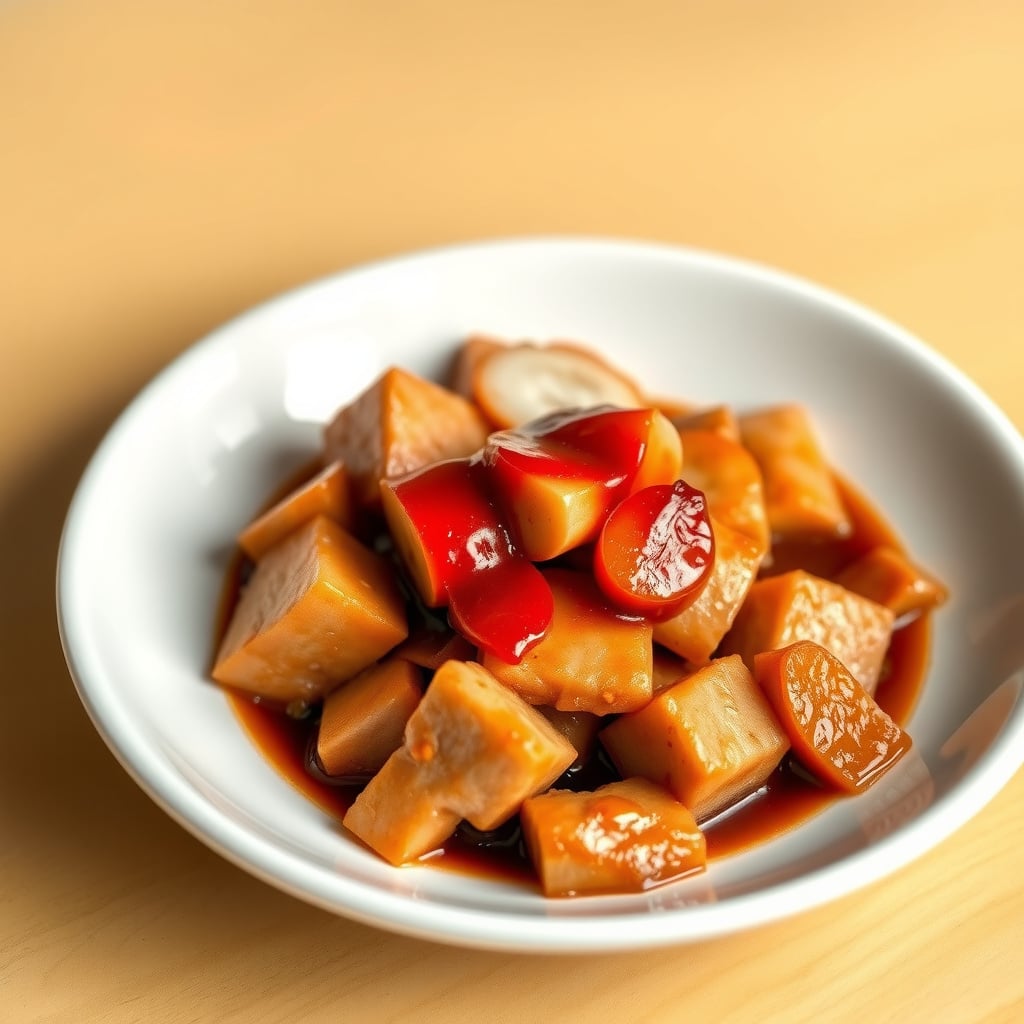
Umami-Rich Doenjang and Gochujang Braised Pork
70min
4
View Full Recipe →
Ready to simplify your meal planning?
Let OttoChef AI create personalized meal plans for your family in seconds.