
Mastering Indonesian Flavors: The Essential Guide to Bumbu and Sambal
Learn to create authentic Indonesian flavors using foundational bumbu spice pastes and sambal. A guide for home cooks to master Southeast Asian aromatics.
Sarah Mitchell
Test Kitchen Director
June 20, 2026
6 min read
Recreating the layered, aromatic complexity of Indonesian cuisine at home often feels like a daunting task. Many home cooks find that while their stir-fries are functional, they lack the deep, savory resonance found in a traditional Beef Rendang or a vibrant Soto Ayam. The secret does not lie in a single ingredient, but in a foundational technique: the creation of bumbu. Bumbu is the aromatic DNA of Indonesian cooking. It is a wet spice paste that provides the structural integrity of a dish, acting as both a marinade and a flavor base. Understanding how to construct, process, and cook these pastes is the most significant step a home cook can take toward mastering Southeast Asian flavors.
In Indonesia, the kitchen is often defined by the rhythmic sound of the 'cobek' (a flat stone mortar) and 'ulekan' (a stone pestle). While modern food processors have made the task faster, the objective remains the same: to break down fibrous aromatics into a cohesive, oily paste. This process releases essential oils and creates a concentrated flavor profile that dry spices alone cannot achieve. For the meal planner, bumbu is a powerful tool. By preparing large batches of base pastes and freezing them, you can reduce the cooking time of complex Indonesian dishes from hours to mere minutes.
The Three Mother Pastes
Most Indonesian dishes are built from one of three 'Bumbu Dasar' or base pastes: Putih (White), Kuning (Yellow), and Merah (Red). Learning these three allows you to cook hundreds of different variations.
The Architecture of a Spice Paste
Every authentic bumbu begins with the 'holy trinity' of Indonesian aromatics: shallots, garlic, and ginger. However, the Indonesian shallot (bawang merah) is smaller and more pungent than the large European varieties. When substituting, always opt for small red shallots and use a higher quantity than you might expect.
Beyond the trinity, galangal (lengkuas) provides a sharp, pine-like citrus note that is distinct from ginger. Candlenuts (kemiri) are another essential component; they are high in fat and act as a natural thickener, giving sauces a creamy, rich mouthfeel. If you cannot find candlenuts, macadamia nuts are a suitable substitute due to their similar oil content.
Raw Candlenuts
Never eat candlenuts raw. They contain a mild toxin that can cause stomach upset. They must always be ground into a paste and thoroughly cooked before consumption.
The Art of the Tumis
Once the ingredients are ground into a smooth paste, the most critical phase begins: the 'tumis', or sautéing. Unlike Western aromatics that are often gently sweated, Indonesian bumbu must be fried in a generous amount of oil. This is not just about heating the paste; it is about a chemical transformation. You are frying the water out of the aromatics and allowing the spices to toast in the remaining fat.
Ingredient Preparation
Peel and roughly chop shallots, garlic, ginger, and galangal. If using dried chilies for a red paste, soak them in hot water first to soften the skins.
Grinding
Process the ingredients into a smooth paste. If using a blender, add a small amount of neutral oil rather than water to help the blades turn. Water inhibits the frying process later.
The Frying Phase
Heat oil in a wok or heavy-bottomed pan over medium heat. Add the paste and stir constantly. The paste will initially look pale and smell raw.
The Oil Separation
Continue cooking until the paste darkens in color and the oil begins to 'pecah' or separate from the solids. This 'pecah minyak' stage is the indicator that the aromatics are fully cooked and the flavors are concentrated.
The Oil Separation Test
You know the bumbu is ready when the oil puddles around the edges of the paste and the raw, pungent smell of garlic and shallots transforms into a sweet, toasted aroma.
Sambal: More Than Just Heat
If bumbu is the foundation of the house, sambal is the decor. While many Westerners view sambal as a simple hot sauce, in Indonesia, it is a complex condiment intended to provide balance to a meal. A table is rarely set without a small bowl of sambal, and there are hundreds of regional varieties across the archipelago.
Sambals are broadly categorized into 'sambal mentah' (raw) and 'sambal goreng' (fried). Raw sambals, like the famous Sambal Matah from Bali, rely on the freshness of sliced shallots, lemongrass, and bird's eye chilies. Fried sambals, like Sambal Terasi, involve slow-cooking chilies with fermented shrimp paste to create a deep, umami-rich relish.
"A meal without sambal is like a day without sunshine. It provides the essential brightness and contrast that makes every other dish on the plate sing."
Traditional Indonesian ProverbFor the home cook, the most important ingredient in many sambals is 'terasi' (shrimp paste). This pungent, fermented block of ground shrimp provides the savory depth that defines Indonesian cuisine. While the smell can be overwhelming when raw, it mellows into a profound umami flavor once toasted or fried into a sambal.
Toasting Terasi
Wrap a small piece of shrimp paste in foil and toast it over an open flame or in a dry pan for 2 minutes before adding it to your mortar. This removes the 'fishy' edge and brings out a nutty, savory aroma.
Meal Planning with Spice Pastes
Integrating Indonesian flavors into your weekly routine is remarkably easy once you shift your perspective. Instead of making a paste for every individual meal, spend one afternoon a month making large batches of Bumbu Dasar Kuning (Yellow Base).
This yellow paste—containing shallots, garlic, candlenuts, turmeric, ginger, and galangal—is incredibly versatile. It can be stored in the refrigerator for up to a week with a thin layer of oil on top to prevent oxidation, or frozen in ice cube trays for months. On a busy weeknight, you can simply drop two cubes of frozen bumbu into a pan, add coconut milk and your protein of choice, and have a complex, authentic-tasting meal in under twenty minutes.
Conclusion
Mastering the art of Indonesian spice pastes and sambals is about understanding the relationship between aromatics and heat. By respecting the process of the 'tumis' and learning to identify the moment the oil separates, you move away from following recipes and toward an intuitive style of cooking. Start with a simple white paste, experiment with the addition of turmeric or chilies, and always ensure there is a bowl of fresh sambal on the table. The vibrant, punchy flavors of Indonesia are well within reach of any home kitchen.
Try This Recipe
Now that you've learned about indonesian sambal and spice pastes, put your knowledge into practice with this recipe:
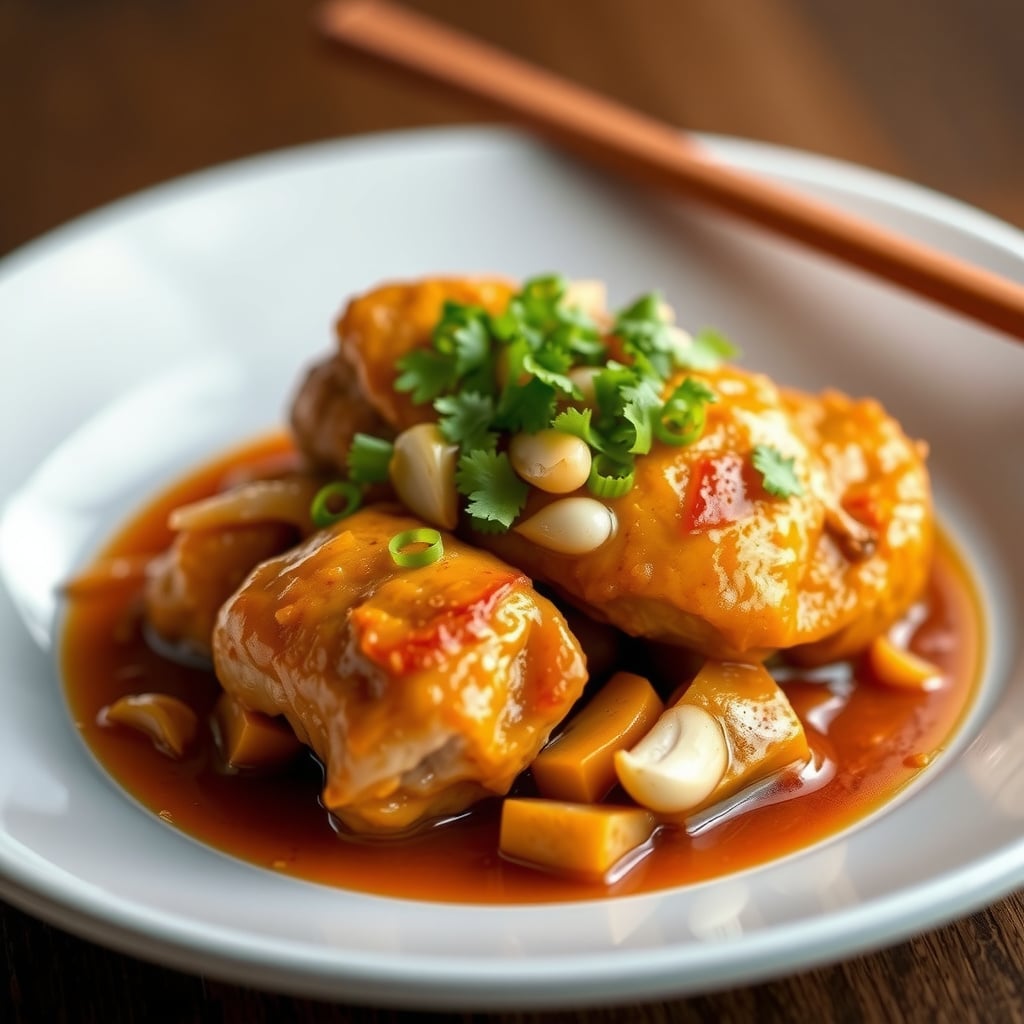
Ayam Bumbu Kuning (Indonesian Braised Yellow Chicken)
60min
4
View Full Recipe →
Ready to simplify your meal planning?
Let OttoChef AI create personalized meal plans for your family in seconds.