
Mastering Indian Tadka: The Science of Blooming Spices
Learn the science of Indian tadka (tempering). Discover how blooming spices in hot oil or ghee unlocks deep, aromatic flavors to elevate your home cooking.
James Okonkwo
Food Writer
September 17, 2026
5 min read
9 views
Have you ever prepared an Indian lentil dal or vegetable curry, followed the recipe precisely, yet felt the final dish tasted flat or disjointed? The spices might taste dusty or raw, sitting on top of the food rather than integrating into it. The secret to bridging this flavor gap lies in a fundamental culinary technique: the tadka, also known as tempering or blooming.
Tadka is the process of briefly frying whole or ground spices in hot oil or ghee. This is not merely a cooking step; it is a chemical transformation. By understanding the science of how fat extracts and carries flavor, you can elevate your Indian dishes and apply this technique to improve your daily cooking across any cuisine.
The Chemistry of Flavor: Why Fat Matters
To understand why tadka is so effective, we must look at the molecular structure of spices. The essential oils responsible for the aroma and flavor of spices—such as cuminaldehyde in cumin, piperine in black pepper, and eugenol in cloves—are hydrophobic, meaning they do not dissolve well in water. If you boil these spices in water, broth, or coconut milk, their flavors remain locked inside their cell structures, resulting in a dull, muted dish.
Fat acts as a solvent. When you introduce spices to hot oil or ghee, the heat ruptures the plant cells, releasing these hydrophobic volatile compounds. Because these compounds are lipid-soluble, they dissolve directly into the fat, infusing it with flavor. When you stir this infused fat into your dish, it coats every ingredient, distributing the flavor evenly throughout the plate.
Additionally, high heat triggers the Maillard reaction in the spices, creating new, complex flavor compounds that add smoky, nutty, and savory dimensions to the food.
The Many Names of Tadka
Depending on the region in India, this technique is known by different names: *tadka* or *chhonk* in the north, *baghar* in the east, and *tempering*, *popu*, or *talimpu* in the south. While the names change, the fundamental culinary science remains the same.
The Order of Operations
Executing a perfect tadka requires timing and precision. Spices have different densities, moisture levels, and sugar contents, which means they burn at different temperatures. Throwing all your spices into hot oil simultaneously is a recipe for bitter, burnt garlic and under-bloomed cumin seeds.
To prevent this, culinary tradition dictates a strict order of operations based on density and moisture. Hard, dry whole spices go in first, followed by softer fresh aromatics, and finally, delicate ground spices.
Choosing the Right Fat
Ghee (clarified butter) offers a rich, nutty flavor and a high smoke point, making it ideal for tadka. For regional authenticity, use mustard oil for North or East Indian dishes, coconut oil for South Indian dishes, or a neutral oil like canola or grapeseed for general use.
How to Perform a Perfect Tadka
To master this technique, you must rely on your senses. You will hear the seeds pop, see the color change, and smell the aromas release.
Heat the Fat
Bring 1 to 2 tablespoons of your chosen fat to medium-high heat in a small, heavy-bottomed pan or a specialized tadka ladle. Test the heat with a single cumin seed—it should sizzle immediately but not turn black.
Add Dense Whole Spices
Introduce the hardiest whole spices first, such as mustard seeds, cumin seeds, cardamom pods, coriander seeds, or cinnamon sticks. Listen for the popping and spluttering of mustard seeds, which signals that their outer husks have cracked, releasing their inner oils.
Add Aromatics and Curry Leaves
Stir in fresh elements like minced ginger, garlic, green chilies, or fresh curry leaves. These ingredients contain moisture, which will cause energetic sizzling as the water evaporates. Fry these until they are fragrant and the garlic is lightly golden.
Finish with Ground Spices
Turn off the heat entirely before adding ground spices like turmeric, red chili powder, or garam masala. The residual heat of the oil is sufficient to bloom these fine powders without scorching them. Stir quickly for 10 to 15 seconds.
Keep Your Ingredients Ready
Spices cook and burn in a matter of seconds. Before you turn on the heat, ensure all your spices are measured and arranged nearby (*mise en place*). If you have to search the pantry for turmeric while your cumin seeds are in the pan, you will likely burn the batch.
“Tadka is not just a garnish; it is the soul of Indian cooking, a technique that coaxes dormant flavors out of dry seeds and suspends them in fat.”
Chef and Culinary HistorianCommon Pitfalls to Avoid
If your spices turn black and the kitchen fills with acrid smoke, your oil was too hot or you left the spices in too long. Burnt spices cannot be saved; they will impart a harsh bitterness to your entire dish. If this happens, discard the batch, wipe out the pan, and start over.
Conversely, if your spices sit in the oil without sizzling, the fat is too cold. Cold oil will merely saturate the spices without rupturing their cell walls, leading to a greasy texture and raw flavors. Ensure the fat is sufficiently hot before beginning.
Applying Tadka Beyond Indian Cuisine
Once you master the science of blooming spices, you can apply this technique to elevate other styles of cooking:
- Soups and Stews: Bloom chili flakes, oregano, and garlic in olive oil before adding your liquid base for minestrone or black bean soup.
- Pasta: Toast garlic, black pepper, and rosemary in olive oil before tossing with spaghetti.
- Grains: Bloom cumin and coriander seeds in butter before cooking rice, quinoa, or couscous.
By treating spices as fat-soluble flavor packets rather than dry powders, you unlock their full aromatic potential, turning simple pantry staples into complex, deeply layered meals.
Try This Recipe
Now that you've learned about mastering indian tadka: the science of blooming spices in hot fat, put your knowledge into practice with this recipe:
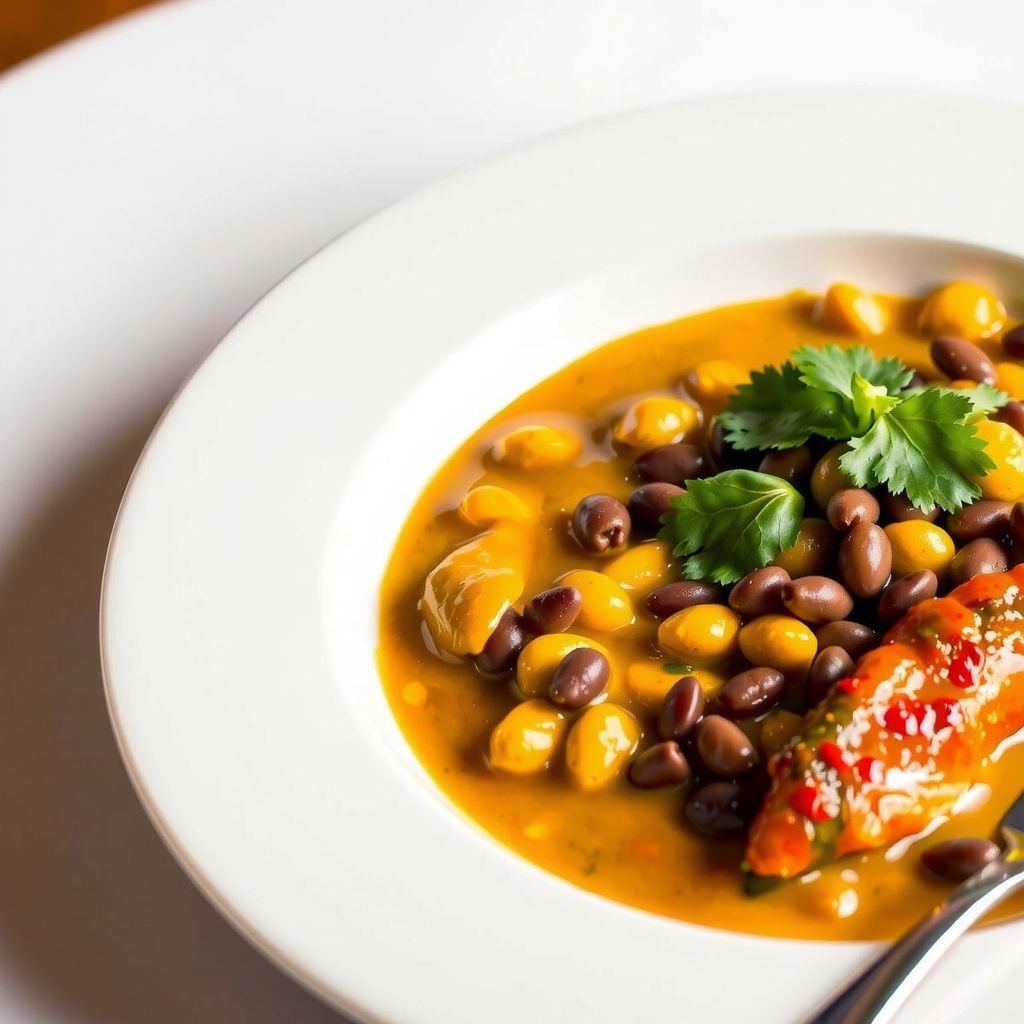
Restaurant-Style Dal Tadka with Double-Tempered Spices
50min
4
View Full Recipe →
Ready to simplify your meal planning?
Let OttoChef AI create personalized meal plans for your family — free to use, no credit card.