
Mastering Hungarian Paprika: The Essential Guide to Goulash
Unlock the deep flavors of Hungarian cuisine by mastering the art of paprika. Learn the blooming technique and how to choose the right spice for your stews.
Marcus Rivera
Culinary Editor
June 15, 2026
5 min read
12 views
For many home cooks, paprika is a dusty red tin pushed to the back of the pantry, reserved only for a faint sprinkle over deviled eggs. However, in the heart of Hungarian cuisine, this spice is the foundation of flavor, providing a depth and complexity that defines the nation's culinary identity. If you have ever prepared a beef stew that felt thin or lacked a certain 'soul,' the missing element is often the correct application of high-quality Hungarian paprika. Understanding this ingredient is not just about heat; it is about the chemistry of fat, temperature, and timing. Unlike many spices that can be added at any point in the cooking process, Hungarian paprika requires a specific technique to release its fat-soluble compounds without turning bitter. This guide explores the varieties of this vibrant spice and the traditional methods used to create the rich, silken sauces found in authentic goulash and paprikash.
The Eight Grades of Hungarian Paprika
Hungarian paprika is classified into eight distinct grades based on pungency and color. The most common in export markets is 'Édesnemes' (Noble Sweet), which is bright red and mildly pungent. Others include 'Különleges' (Special), which is very mild and vibrant, and 'Erős' (Strong), which is light brown to orange and packs a significant heat punch. Always check the label for these terms to ensure you are getting the flavor profile your dish requires.
To truly appreciate the art of goulash, one must first understand the ingredient's geography. The regions of Szeged and Kalocsa in southern Hungary provide the ideal climate for growing peppers with a high sugar content. Once harvested, these peppers are dried and ground into the fine powder we recognize. Because of this high sugar content, paprika is incredibly sensitive to heat. When the sugar in the spice reaches a certain temperature, it caramelizes, but if it exceeds that point, it burns and becomes irreversibly bitter. This is why the 'blooming' technique is the most critical skill for any cook looking to master Hungarian dishes.
“Paprika is more than a spice in the Hungarian kitchen; it is the structural integrity of the sauce itself, providing body, color, and a resonant bass note of flavor.”
OttoChef Culinary InstituteIn traditional Hungarian cooking, the process begins with the 'Holy Trinity': lard, onions, and paprika. The use of pork lard is not merely a matter of tradition; it provides a specific mouthfeel and flavor carrier that vegetable oils often lack. The onions are not simply sautéed; they are cooked slowly until they reach a translucent, almost jam-like consistency. This creates a thick base for the sauce. Only after the onions are ready and the pan is removed from the direct heat is the paprika introduced.
The Bitter Point
Never add paprika to a pan that is over high heat or contains dry ingredients only. The spice will burn in seconds. Always ensure there is enough fat to coat the powder and move the pan away from the flame before stirring it in.
The Fat and Onion Foundation
Melt a tablespoon of high-quality lard or neutral oil in a heavy-bottomed pot. Add finely diced onions and a pinch of salt. Cook over medium-low heat for 10 to 15 minutes. The goal is to break down the cellular structure of the onions until they are soft and golden, but not browned or crispy.
The Heat Reduction and Blooming
Remove the pot from the heat entirely. This is the safety window for your spice. Add two to three tablespoons of fresh Hungarian paprika. Stir vigorously for about 30 seconds. The heat of the fat and the onions will 'bloom' the spice, dissolving the fat-soluble flavor compounds and turning the mixture a deep, brick red.
The Immediate Deglaze
Before the paprika has a chance to scorched from the residual heat of the pot, add your liquid—usually a small amount of water or stock—or your meat. This stops the toasting process and begins the creation of the sauce. This creates the 'pörkölt' base, characterized by a thick, concentrated flavor that will eventually coat every piece of protein.
When planning your meals around these techniques, remember that paprika is a preservative-free agricultural product that degrades quickly. A tin of paprika that has been open for more than six months will lose its vibrant red hue and take on a brown, hay-like aroma. To maintain the integrity of your cooking, buy in small quantities and store the spice in a cool, dark place, or even the refrigerator.
Sourcing Quality Spice
Look for paprika that is imported directly from Hungary and packaged in tins or foil bags rather than glass jars. Light is the enemy of paprika, and glass allows UV rays to bleach the color and flavor out of the spice before it even reaches your kitchen.
Finally, it is important to distinguish between the various styles of Hungarian stews. 'Gulyás' (Goulash) is traditionally a soup, often cooked by herdsmen in a cauldron over an open fire, featuring cubes of meat, potatoes, and sometimes small pasta called 'csipetke.' 'Pörkölt' is what most Westerners recognize as a thick, heavy stew, while 'Paprikás' is a similar stew finished with sour cream for a velvety, lighter profile. Each of these dishes relies on the same fundamental principle: the careful blooming of paprika in fat. By mastering this single technique, you unlock an entire category of comfort food that is deeply satisfying and rich with history. Experimenting with different grades of paprika will allow you to balance sweetness and heat, turning a simple weeknight dinner into a masterclass in flavor building.
Try This Recipe
Now that you've learned about hungarian paprika and the art of goulash, put your knowledge into practice with this recipe:
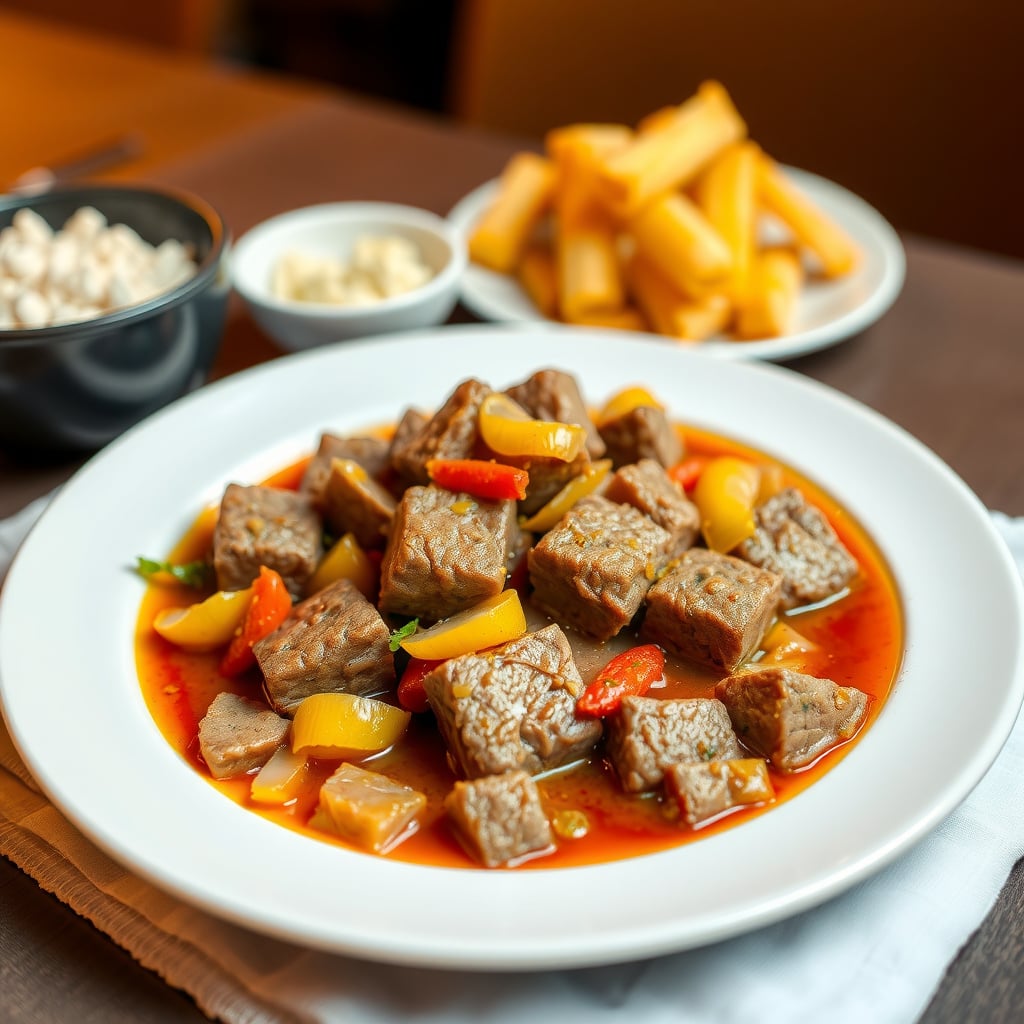
Traditional Hungarian Beef Goulash (Gulyás)
165min
4
View Full Recipe →
Ready to simplify your meal planning?
Let OttoChef AI create personalized meal plans for your family — free to use, no credit card.