
Mastering Fiber: A Culinary Guide to Texture and Health
Discover how to use fiber to improve food texture and digestive health. Learn the science of soluble and insoluble fibers with practical cooking tips.
Alex Thompson
Food Editor
June 17, 2026
5 min read
Many home cooks view fiber as a nutritional obligation—a dry, flavorless addition to the plate required for health but detrimental to taste. This perspective overlooks the fundamental role fiber plays in food structure, texture, and satiety. In the culinary world, fiber is the scaffold that gives plants their shape and the thickener that provides body to sauces and soups. Understanding how to manipulate fiber in the kitchen allows you to create meals that are both physically satisfying and biologically beneficial.
Dietary fiber consists of non-digestible carbohydrates found in plant foods. It is generally categorized into two types: soluble and insoluble. Soluble fiber dissolves in water to form a gel-like substance. In the kitchen, you see this in action when you simmer oats or use fruit pectins to set jams. From a nutritional standpoint, this gel slows down digestion and the absorption of sugar, providing sustained energy rather than a sharp spike. Insoluble fiber, which does not dissolve in water, provides the texture in vegetables and the bulk in whole grains. It remains relatively intact as it moves through the digestive system, promoting regularity and supporting the physical structure of the gut.
The Pectin Punch
Pectin is a soluble fiber found primarily in the cell walls of fruits like apples and citrus. In culinary applications, it acts as a powerful gelling agent. When combined with sugar and acid at the correct temperature, pectin chains bind together to create the firm structure of preserves and jellies without the need for animal-based thickeners.
The way we cook these fibers significantly impacts their texture and how our bodies process them. For example, heat breaks down the cellulose—a type of insoluble fiber—in vegetables, making them softer and more palatable. However, overcooking can lead to a complete loss of structural integrity, resulting in mushy produce. Precision in temperature control allows a cook to soften fiber just enough to make nutrients bioavailable while maintaining a pleasant structural resistance.
"Fiber is not merely a dietary requirement; it is the architectural framework of the plant world, dictating the texture of every vegetable we sear and every grain we steam."
OttoChef Culinary TeamIn many international cuisines, fiber-rich ingredients are the stars rather than the side dishes. Consider the Mediterranean diet, where legumes like chickpeas and lentils are staples. These ingredients are prized for their high fiber content, which provides a sense of fullness that animal proteins often lack. In South Asian cooking, the preparation of dal involves techniques that specifically address the digestibility of fiber. By soaking legumes and using spices like asafetida or ginger, cooks reduce the complex sugars that can cause digestive discomfort while highlighting the creamy texture of the dissolved soluble fibers.
The Microbiome Connection
Fiber is the primary food source for the beneficial bacteria in your gut. When these bacteria ferment fiber, they produce short-chain fatty acids that support heart health and immune function, making high-fiber cooking a direct investment in your long-term wellness.
The Resistant Starch Hack
When you cook and then cool certain starchy foods like potatoes or rice, a portion of their starch converts into 'resistant starch.' This acts like a fiber, resisting digestion in the small intestine and instead fueling healthy bacteria in the colon. Reheating does not destroy this effect, making leftovers a nutritional powerhouse.
Mastering the preparation of high-fiber foods requires a balance of hydration and timing. One of the most common challenges home cooks face is the long cooking time and potential digestive side effects of dried beans and legumes.
Sorting and Rinsing
Always begin by spreading dried legumes on a flat surface to check for small stones or debris. Rinse them thoroughly in a colander under cold water to remove dust and surface starches.
The Hydration Phase
Soak legumes for at least 8 to 12 hours. This process, known as rehydration, begins to soften the tough insoluble fiber of the seed coat and leaches out some of the flatulence-causing oligosaccharides. For a faster method, bring them to a boil for two minutes, then let them sit off the heat for an hour.
The Gentle Simmer
Cook legumes in fresh water rather than the soaking liquid. Maintain a gentle simmer rather than a rolling boil; high heat can cause the exterior to disintegrate before the interior is soft. Do not add salt or acidic ingredients until the fibers have softened.
Acid and Legumes
Adding tomatoes, wine, or lemon juice at the start of cooking legumes can prevent the fiber from softening properly. The acid strengthens the hemicellulose in the cell walls. Always wait until the beans are tender before building your flavor base with acidic ingredients.
Integrating more fiber into your diet should be a culinary exploration rather than a chore. Start by experimenting with the textures of different whole grains—farro offers a chewy, nutty bite, while quinoa provides a lighter, more delicate structure. Use pureed white beans to add creaminess to soups without using heavy cream; the soluble fiber creates a velvety mouthfeel while boosting the nutritional profile of the dish.
Gradual Increases
If your diet is currently low in fiber, introduce these changes slowly. Your digestive system needs time to adjust to the increased workload. Pair high-fiber meals with plenty of water to help the fiber move smoothly through your system.
Ultimately, the goal of understanding fiber is to gain better control over your ingredients. By recognizing how soluble fiber creates body and how insoluble fiber provides structure, you can craft meals that are satisfying to the palate and supportive of health. Experiment with different cooking times, soaking methods, and grain varieties to find the textures that resonate most with your personal cooking style.
Try This Recipe
Now that you've learned about the role of fiber in cooking and digestion, put your knowledge into practice with this recipe:
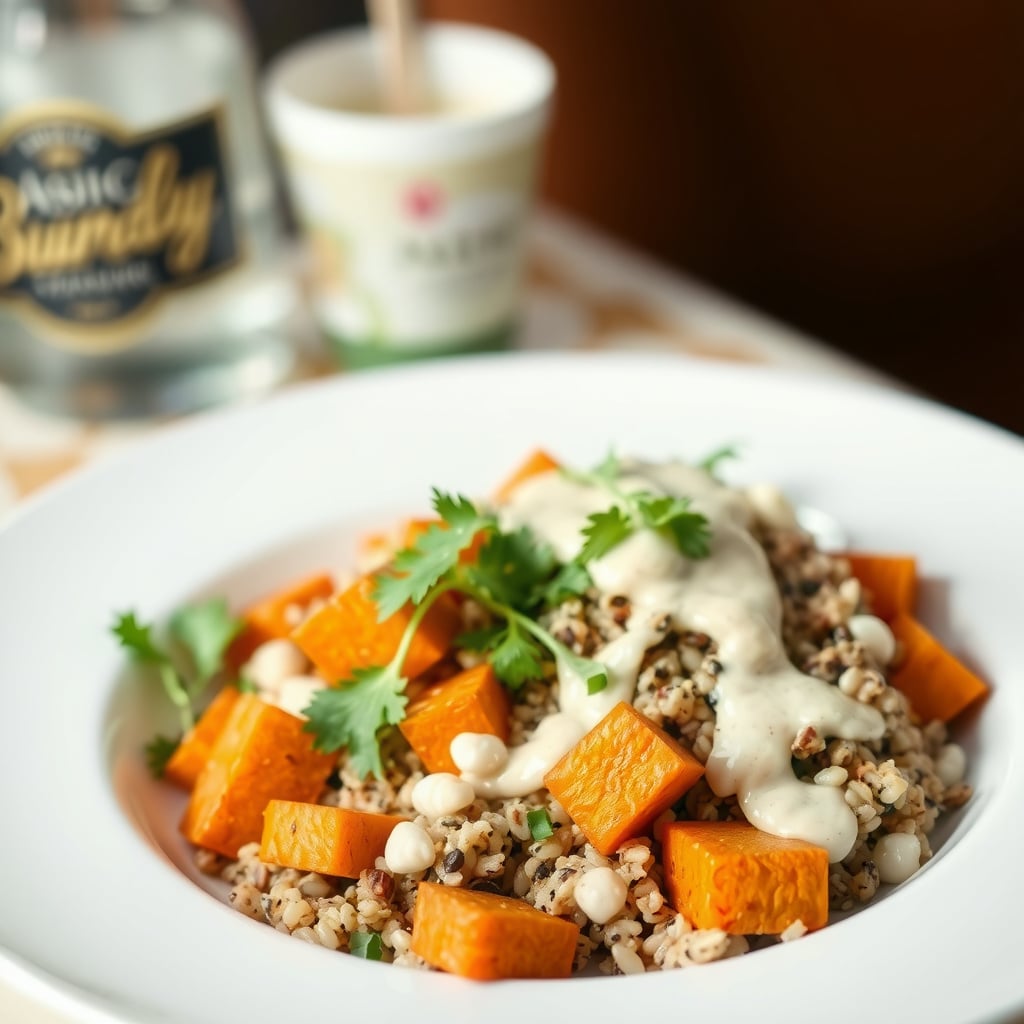
Mediterranean Fiber-Rich Grain Bowl with Lemon-Tahini Dressing
45min
4
View Full Recipe →
Ready to simplify your meal planning?
Let OttoChef AI create personalized meal plans for your family in seconds.