
Mastering Cooking Fats: A Guide to Smoke Points and Health
Learn how to choose the right cooking oil for every technique. Explore smoke points, nutritional profiles, and practical tips for healthier, tastier meals.
Lily Nakamura
Recipe Editor
June 12, 2026
5 min read
Standing in the oil aisle of a grocery store can feel like a chemistry exam you didn't study for. Between labels touting 'high heat,' 'cold-pressed,' and 'heart-healthy,' it is easy to default to whatever is on sale or what you have used for years. However, selecting the wrong fat for a specific cooking method doesn't just result in a smoky kitchen; it can fundamentally alter the nutritional value of your meal and introduce bitter, acrid flavors to your plate. Understanding the relationship between heat and fat is one of the most significant upgrades a home cook can make to their culinary repertoire.
Every fat, whether it is plant-based like olive oil or animal-based like lard, has a specific 'smoke point.' This is the temperature at which the fat stops shimmering and starts to break down and burn. When this happens, the chemical structure of the oil changes, producing a substance called acrolein. This is the source of that stinging, blueish smoke and the unpleasant burnt taste that can ruin a delicate sauté. Beyond the flavor, reaching the smoke point causes the fat to undergo oxidation, creating free radicals and potentially harmful compounds while destroying the beneficial antioxidants the oil originally contained.
The Science of Acrolein
When an oil is heated beyond its smoke point, the glycerol molecules break down into acrolein. This chemical is responsible for the acrid smell and the stinging sensation in your eyes when a pan gets too hot. It is a clear signal that the oil's nutritional integrity has been compromised.
To cook effectively, we must categorize fats by their heat tolerance. This is largely determined by how refined the oil is. Refined oils, such as 'light' olive oil, grapeseed oil, or avocado oil, have had impurities and free fatty acids removed through processing. This gives them a much higher smoke point, making them ideal for high-heat techniques like searing or stir-frying. Unrefined oils, such as extra virgin olive oil or toasted sesame oil, retain more of their natural minerals, enzymes, and flavor compounds. While these make them nutritionally superior and more flavorful, those same particles burn at lower temperatures.
"The smoke point isn't just a limit; it's a guide to preserving both the nutritional integrity and the flavor profile of your ingredients."
OttoChef Culinary TeamWhen planning your meal, match your fat to your method. For high-heat searing of proteins, you need a fat that can withstand temperatures of 400°F (204°C) or higher. Avocado oil is a champion here, with a smoke point reaching up to 520°F. Ghee, or clarified butter, is another excellent choice. By simmering butter and removing the milk solids and water, you are left with a pure fat that has a much higher heat tolerance than standard butter. This is why ghee is a staple in Indian cuisine for 'tadka'—the technique of tempering spices in hot oil to release their essential oils without burning the fat.
The Shimmer Test
Before adding ingredients to a pan, look for the 'shimmer.' When oil is ready, it will move fluidly like water and form small ripples or 'legs' on the surface of the pan. If it starts to produce wisps of smoke, it has gone too far; remove it from the heat immediately.
For medium-heat applications like sautéing vegetables or pan-frying eggs, extra virgin olive oil is often perfectly suitable. Despite common misconceptions, high-quality extra virgin olive oil generally has a smoke point between 375°F and 410°F, which covers most stovetop cooking. The key is to monitor the heat and avoid leaving the pan empty on the burner for too long. If you are looking for a neutral profile that allows the ingredients to shine, grapeseed oil is a fantastic medium-high heat alternative that offers a clean finish.
The Danger of Reusing Oil
Every time you heat and cool an oil, its smoke point drops. Food particles, moisture from ingredients, and exposure to air all accelerate the breakdown of the fat. For the best health outcomes and flavor, avoid reusing oil for high-heat frying more than once or twice.
Finally, there are the 'finishing oils.' These are fats that should rarely, if ever, see the inside of a hot pan. Flaxseed oil, walnut oil, and high-quality toasted sesame oil are rich in delicate polyunsaturated fats and volatile aromatic compounds. These oils are best used as a final flourish—drizzled over a finished soup, whisked into a vinaigrette, or tossed with steamed vegetables just before serving. This preserves their complex flavors and ensures you receive the maximum nutritional benefit from their Omega-3 fatty acids.
Select Based on Temperature
Identify your cooking method first. If you are searing, reach for avocado or refined coconut oil. If you are dressing a salad, choose extra virgin olive or nut oils.
Preheat the Pan Dry
Heat your skillet for a minute before adding the fat. This ensures the oil spends less time under direct heat before the food is added, reducing the window for oxidation.
Monitor the Heat
Once the oil shimmers, add your ingredients. The addition of food will naturally lower the temperature of the oil, providing a buffer against reaching the smoke point.
Storage Matters
Heat, light, and oxygen are the enemies of healthy fats. Store your oils in a cool, dark cupboard rather than on the countertop next to the stove. For delicate oils like walnut or flaxseed, the refrigerator is actually the best place to prevent rancidity.
By treating fats as a functional tool rather than just a lubricant for the pan, you gain greater control over the texture and healthfulness of your cooking. Balancing the high-heat stability of refined fats with the nutritional richness of unrefined finishing oils allows you to build layers of flavor while keeping your kitchen smoke-free. The next time you reach for a bottle, ask yourself not just what it tastes like, but how much heat it can handle. Your palate—and your lungs—will thank you.
Try This Recipe
Now that you've learned about understanding fats in cooking: smoke points and health, put your knowledge into practice with this recipe:
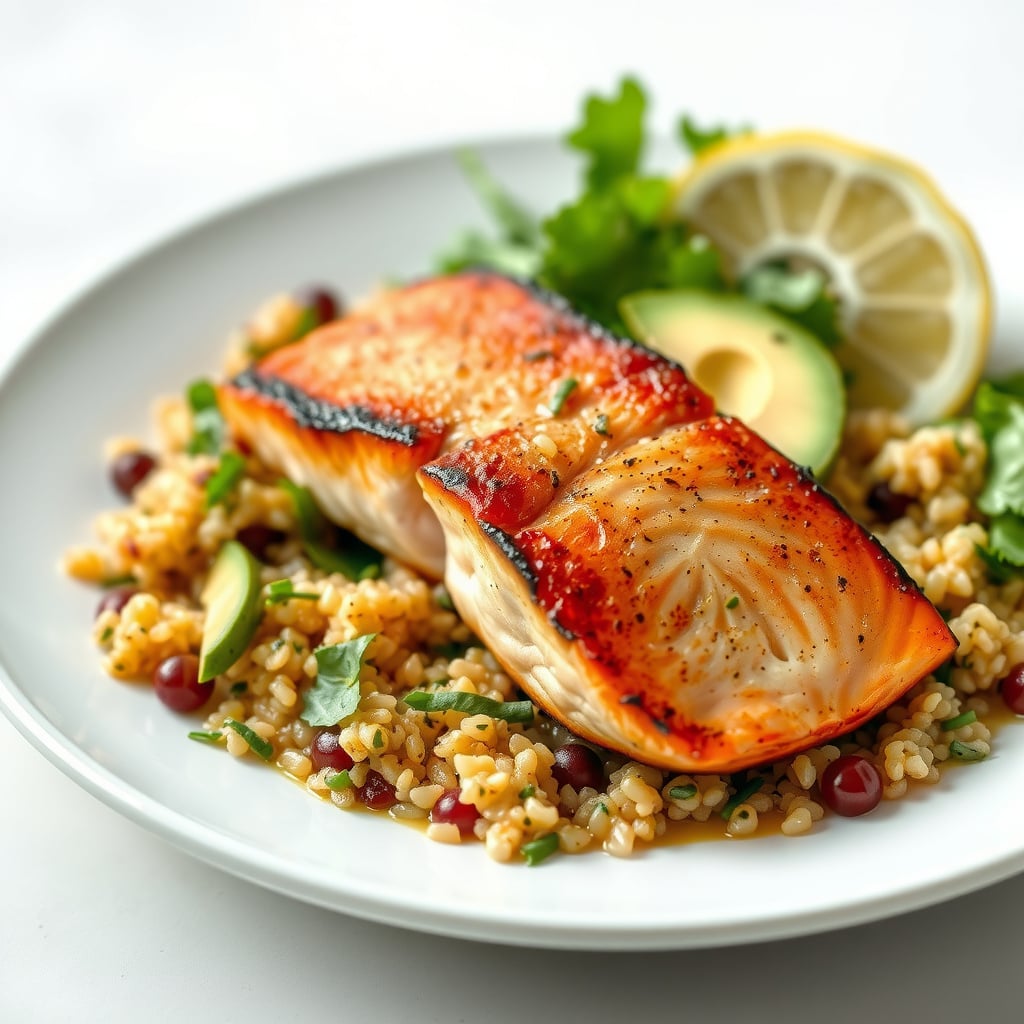
High-Heat Seared Salmon with Ghee-Tempered Grain Salad
35min
4
View Full Recipe →
Ready to simplify your meal planning?
Let OttoChef AI create personalized meal plans for your family in seconds.