
Mastering Breakfast for Dinner: Pro Techniques for Family Comfort
Transform breakfast staples into satisfying family dinners. Learn essential egg techniques, flavor balancing, and global inspirations for your next meal.
Marcus Rivera
Culinary Editor
June 6, 2026
5 min read
1 view
The mid-week slump is a reality for every household. Between school runs, work deadlines, and extracurricular activities, the prospect of preparing a multi-course dinner can feel overwhelming. This is where the strategic pivot to breakfast for dinner—often affectionately called 'brinner'—becomes a valuable tool in a home cook's repertoire. Far from being a lazy alternative, breakfast for dinner provides a unique opportunity to practice precision techniques like egg tempering and flavor balancing while delivering a meal that satisfies every generation at the table.
The Versatility of the Humble Egg
Eggs are the cornerstone of the breakfast-for-dinner concept. They are cost-effective, cook rapidly, and offer a high-quality protein source. However, achieving restaurant-quality results requires an understanding of protein coagulation. When you cook an egg, the proteins uncoil and then bond together. If they bond too tightly due to high heat, they push out water, leaving you with a rubbery, dry mess.
The Cold Pan Start
For the creamiest scrambled eggs, start them in a cold pan with a knob of butter. By gradually increasing the heat, you allow the proteins to set slowly, resulting in a custard-like texture rather than a firm, bouncy one.
Mastering different egg preparations expands your dinner options. For instance, poaching an egg adds a rich, silken sauce to any base, whether it is a bed of sautéed greens or a bowl of seasoned grains.
The Gentle Vortex
Bring a pot of water to a bare simmer and use a spoon to create a gentle circular motion.
The Precise Drop
Crack your egg into a small ramekin first, then slide it into the center of the vortex. The motion helps the whites wrap around the yolk.
The Timing
Cook for exactly three minutes for a set white and a fluid, rich yolk, then remove with a slotted spoon to drain on a paper towel.
Pivoting from Sweet to Savory
One common mistake in serving breakfast for dinner is leaning too heavily on sugar. While pancakes and waffles are classic, a dinner-time version benefits from a savory profile. This transition involves understanding how to incorporate umami and acidity to balance the natural sweetness of grain-based batters.
Consider folding chopped herbs like chives, parsley, or thyme directly into your batter. To replace the traditional maple syrup, look toward ingredients that provide a savory punch: a dollop of Greek yogurt with lemon zest, a quick tomato jam, or even a drizzle of chili oil. This approach transforms a morning treat into a sophisticated evening meal.
Avoid High Heat for Eggs
Excessive heat causes egg proteins to contract tightly, squeezing out moisture. This results in a dry, spongy texture that lacks the luxury of a well-cooked egg.
"Breakfast for dinner is not a shortcut; it is a deliberate choice to prioritize comfort and culinary creativity during the busiest parts of our week."
OttoChef Culinary TeamGlobal Inspirations for Dinner Success
Many cultures do not distinguish strictly between 'breakfast' and 'dinner' flavors. Drawing inspiration from these traditions can elevate your family meals. In the Middle East, shakshuka features eggs poached in a vibrant, spiced tomato and pepper sauce. This technique, known as 'eggs in purgatory' in Italian cuisine, is an excellent example of one-pan cooking and flavor integration.
The Science of Satiety
Eggs contain leucine, an amino acid that helps regulate blood sugar levels. This makes them an excellent protein choice for dinner, providing sustained energy and helping to prevent late-night hunger.
In Japan, the tamagoyaki—a rolled omelet—showcases the technique of layering thin sheets of egg to create a dense, satisfying texture. Incorporating these global methods allows you to introduce new flavors to your family while staying within the comfortable framework of familiar ingredients.
Building the Balanced Plate
To ensure 'brinner' feels like a complete dinner, focus on the mise en place of your vegetables. Because breakfast proteins cook so quickly, your vegetables should be prepped and often partially cooked before the eggs even touch the pan. Sautéed spinach, roasted cherry tomatoes, or caramelized onions add the fiber and micronutrients necessary for a balanced evening meal.
Think about texture as well. If you are serving soft-scrambled eggs, pair them with something crunchy, like toasted sourdough or a bright radish salad. This contrast makes the meal feel more intentional and satisfying to the palate.
Seasoning at the End
When scrambling eggs, wait to add salt until the very end of the cooking process. Salting too early can break down the protein structure prematurely, leading to a watery consistency.
Conclusion
Embracing breakfast for dinner is about more than just convenience; it is about mastering the fundamentals of quick-fire cooking and flavor adaptation. By focusing on technique—such as temperature control with eggs and the creative use of savory aromatics—you can turn simple pantry staples into a meal that feels both intentional and effortless. Next time your evening feels rushed, look to the egg carton and the flour jar as your starting point for a refined, comforting family dinner.
Try This Recipe
Now that you've learned about breakfast for dinner: family-friendly comfort meals, put your knowledge into practice with this recipe:
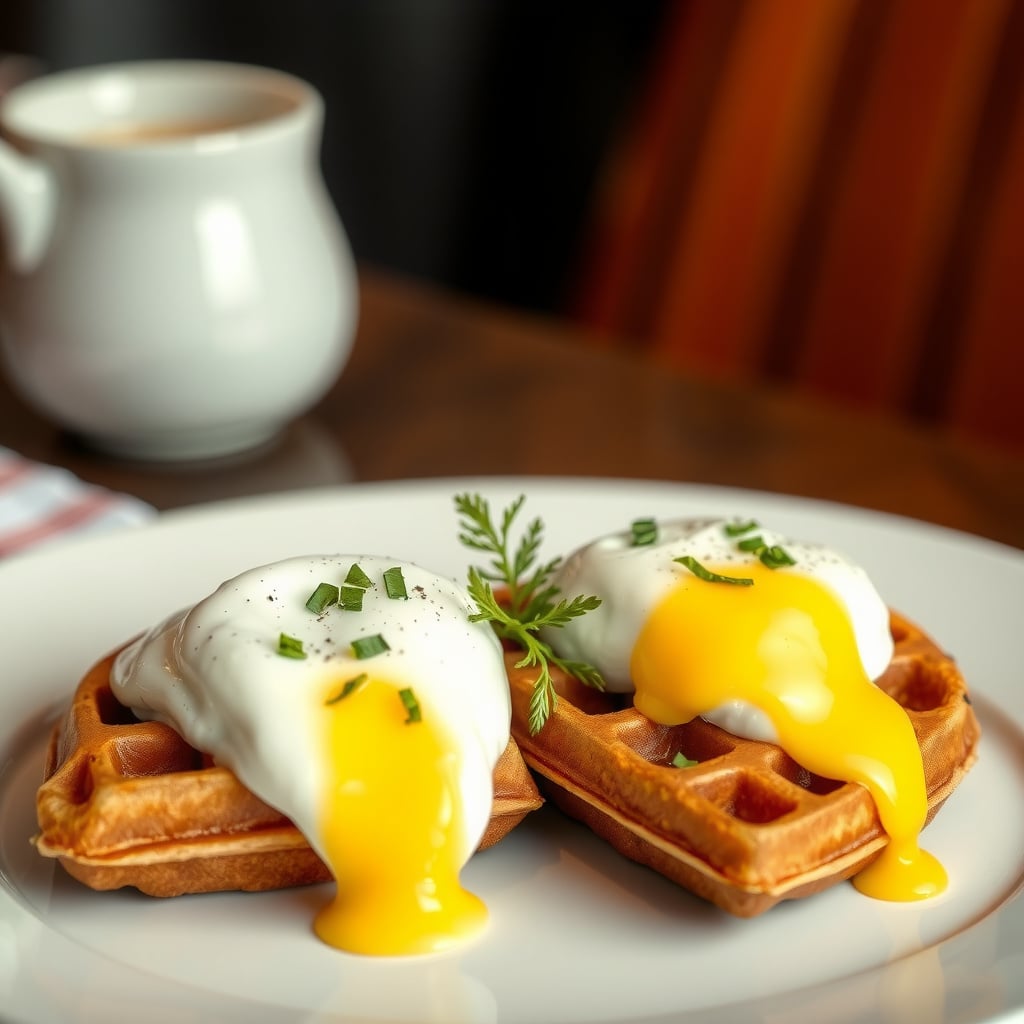
Savory Herb and Cheddar Waffles with Perfect Poached Eggs
35min
4
View Full Recipe →
Ready to simplify your meal planning?
Let OttoChef AI create personalized meal plans for your family in seconds.