
Master Weekly Meal Prep: A Systematic Approach for Busy Cooks
Transform your kitchen chaos into organized efficiency. Learn the systematic approach to weekly meal prep that saves time, reduces stress, and improves your cooking.
James Okonkwo
Food Writer
February 27, 2026
8 min read
9 views
Sunday afternoon rolls around, and you're staring at a refrigerator full of random ingredients with no plan. By Wednesday, you're ordering takeout again. Sound familiar?
Weekly meal prep isn't about spending your entire Sunday cooking seven identical chicken and rice bowls. It's about creating a flexible system that gives you options throughout the week while maximizing your kitchen efficiency. When done right, meal prep becomes your secret weapon against decision fatigue, food waste, and the 6 PM scramble.
The Foundation: Strategic Planning
Successful meal prep starts before you even enter the kitchen. The planning phase determines whether you'll have a smooth week or find yourself improvising on Tuesday night.
Begin by auditing your week. Which nights will you have time to cook? When will you need grab-and-go options? Are there any scheduled events that affect your eating patterns? This honest assessment prevents you from over-prepping food that won't get eaten.
The Rule of Three
Plan for three different protein bases, three grain/starch options, and three vegetable preparations. This creates 27 possible meal combinations from just nine prepared components, preventing meal prep monotony.
Next, identify your anchor meals—the dishes that will form the backbone of your week. These should be versatile, reheat well, and ideally share ingredients to minimize waste. A braised protein can become taco filling one night and a grain bowl topping the next. A large batch of roasted vegetables works in salads, grain bowls, frittatas, or as simple sides.
Inventory and Strategize
Check your pantry, refrigerator, and freezer. Note what needs using up and build your meal plan around these items. A half-used bunch of cilantro or that butternut squash from last week's farmers market should inform your decisions.
Create Your Prep List
Divide tasks into categories: proteins, vegetables, grains/starches, sauces/dressings, and grab-and-go items. This organization prevents you from bouncing chaotically between tasks.
Batch by Technique
Group items by cooking method rather than by meal. Roast all your vegetables together, cook all your grains simultaneously, prepare all proteins using similar techniques. This efficiency saves significant time and energy.
The Mise en Place Mindset
Professional kitchens run on mise en place—everything in its place. This principle transforms home meal prep from overwhelming to manageable.
Before you turn on a single burner, gather and prepare all your ingredients. Wash and dry your vegetables. Measure out your spices. Line up your storage containers. This upfront investment of 15 minutes saves you from mid-prep scrambles and forgotten ingredients.
"Mise en place is the religion of all good line cooks. As a cook, your station, and its condition, its state of readiness, is an extension of your nervous system."
Anthony BourdainYour workspace organization matters just as much. Clear your counters, set up distinct zones for raw proteins, vegetables, and assembly, and keep a large bowl or bag nearby for scraps and trash. A cluttered workspace creates mental clutter and slows you down.
Smart Component Cooking
The most efficient meal preppers think in components rather than complete meals. This modular approach offers flexibility throughout the week and prevents the dreaded meal prep burnout.
Proteins: Choose cooking methods that handle large quantities well. Slow-roasted chicken thighs, sheet-pan salmon, or braised beans require minimal active time. Season simply during prep—you can add bold flavors when you assemble meals later in the week. This prevents flavor fatigue and allows you to pivot based on cravings.
The Carryover Cooking Principle
Large batches of protein continue cooking after removal from heat. Pull chicken from the oven at 160°F rather than 165°F—it'll reach safe temperature while resting, and you'll avoid dry, overcooked meat.
Vegetables: Roasting is your best friend for meal prep vegetables. High heat (425°F) creates caramelization that holds up through refrigeration and reheating. Cut vegetables uniformly for even cooking, but vary your sizes across different vegetables—smaller pieces for quick-cooking items like zucchini, larger chunks for dense vegetables like sweet potatoes.
Blanching and shocking (plunging into ice water) green vegetables like broccoli, green beans, or snap peas preserves their color and texture. They'll stay vibrant all week and need just a quick reheat.
Grains and Starches: Cook grains in bulk and portion them into meal-sized containers. Rice, farro, quinoa, and barley all refrigerate beautifully for 4-5 days. Undercook them slightly—they'll finish cooking when reheated.
For potatoes, roast them with the skin on for maximum nutrient retention and better texture. Boiled potatoes can become gummy when reheated, but roasted potatoes maintain their structure.
The Moisture Trap
Don't store grains while they're still steaming hot. Let them cool for 10-15 minutes with the lid slightly ajar. This prevents condensation from making them mushy and reduces bacterial growth risk.
Sauces: Your Secret Weapon
The difference between exciting meal prep and boring meal prep often comes down to sauces and dressings. Prepare 2-3 versatile sauces that can transform your basic components into distinctly different meals.
A bright herb sauce (chimichurri, zhug, or salsa verde) adds freshness. A creamy element (tahini dressing, yogurt sauce, or cashew cream) provides richness. A bold, punchy option (gochujang glaze, harissa, or peanut sauce) delivers excitement.
Store sauces separately from your meal components. This prevents sogginess and allows you to mix and match throughout the week. A grain bowl with tahini dressing on Monday becomes entirely different with gochujang glaze on Thursday.
The Assembly Strategy
How you store your prepped components determines how smoothly your week flows. The goal is to minimize decision-making and assembly time on busy weeknights.
Option 1: Complete Meal Containers work well if your week is predictable and you enjoy eating the same thing multiple days. Portion everything into individual containers ready to grab and heat. This approach works brilliantly for lunches or if you're feeding just yourself.
Option 2: Component Storage offers maximum flexibility. Store each element separately in larger containers, then assemble meals as needed. This prevents texture degradation (crispy things stay crispy, sauces don't make everything soggy) and allows for variety.
The Two-Container Trick
For salads and bowls, use a two-compartment container or pack dressing and delicate items separately. Assemble just before eating to maintain optimal texture.
Option 3: Hybrid Approach combines both methods. Prep full meals for your busiest days when you need grab-and-go convenience, and store components separately for nights when you have time to customize.
Timing Your Prep
Most people don't need to spend four hours on Sunday meal prepping. Strategic timing makes the process manageable and even enjoyable.
Start with your longest-cooking items first. Get your oven preheating and proteins roasting while you prep vegetables. As the oven works, cook grains on the stovetop and prepare sauces. This overlapping approach can compress four hours of sequential cooking into 90 minutes of efficient multitasking.
The Refrigerator Geography Principle
Store items based on how you'll use them. Ready-to-eat meals go at eye level. Components for assembly go on the middle shelf where you can see everything. Prepped ingredients for fresh cooking go in the crisper drawers.
Consider splitting your prep across two shorter sessions. Sunday might be for proteins and grains, while Wednesday evening you prep fresh vegetables and make another batch of dressing. This approach keeps produce fresher and prevents burnout.
Scaling and Adapting
Your meal prep system should evolve with your needs. Feeding a family requires different strategies than cooking for one. Adjust quantities, but maintain the systematic approach.
For larger households, invest in sheet pans and larger pots that can handle volume. A half sheet pan can roast enough vegetables for an entire week. A large Dutch oven makes grain cooking nearly effortless.
For individuals or couples, embrace smaller batches with greater variety. Prep three different proteins in smaller quantities rather than a massive batch of one. You'll get more diversity without waste.
The Long Game
Meal prep mastery doesn't happen overnight. Your first few sessions might feel clumsy or time-consuming. That's normal and expected.
Start small—prep just lunches for the week, or focus on having dinner proteins ready. As you develop your system and rhythm, expand gradually. Track what works and what doesn't. Did those chopped vegetables get slimy by Friday? Prep them Wednesday instead. Did you love having breakfast burritos ready to grab? Make more next week.
The Prep Journal
Keep notes on your phone about what worked each week. "Roasted Brussels sprouts stayed crispy for 5 days" or "Chicken thighs were dry by Thursday—try different temp next time." These insights compound into expertise.
The systematic approach to meal prep isn't about perfection or Instagram-worthy containers. It's about creating a reliable framework that reduces daily stress, minimizes food waste, and gives you back your weeknight sanity. Start with the basics, refine your system, and watch as meal prep transforms from a chore into a valuable life skill that serves you well beyond the kitchen.
Try This Recipe
Now that you've learned about mastering the weekly meal prep: a systematic approach, put your knowledge into practice with this recipe:
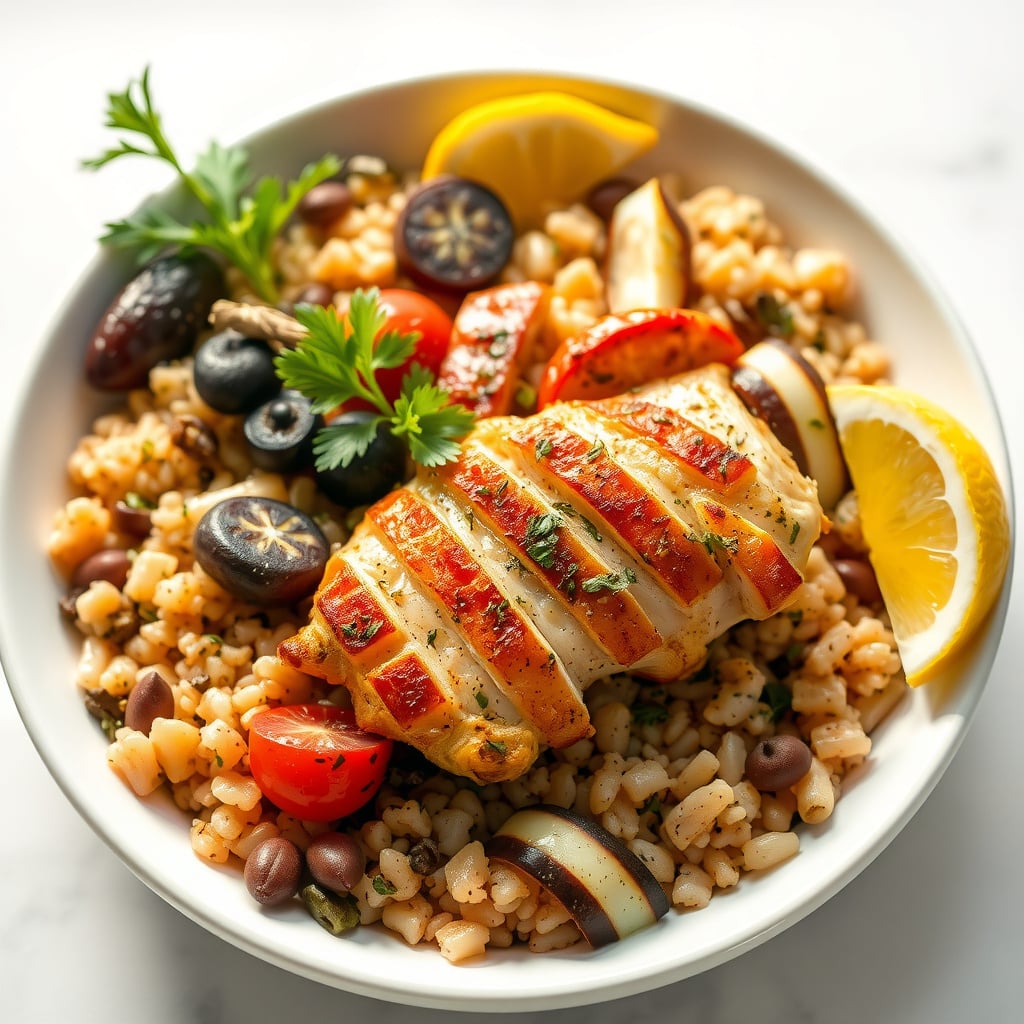
Mediterranean Grain Bowl with Herb-Marinated Chicken
60min
4
View Full Recipe →
Ready to simplify your meal planning?
Let OttoChef AI create personalized meal plans for your family in seconds.