
Master Vegetable Prep: Techniques to Keep Produce Fresh Longer
Learn the science of vegetable preservation. Master prep techniques, moisture control, and storage hacks to keep your meal-prepped veggies crisp and fresh all week.
Sarah Mitchell
Test Kitchen Director
May 18, 2026
4 min read
1 view
The enthusiasm of a Sunday meal prep session often fades by Wednesday when you open your refrigerator to find a bag of slimy spinach or rubbery carrot sticks. This degradation is more than just an aesthetic issue; it represents a loss of nutritional value and a literal waste of your grocery budget. To keep your vegetables in peak condition throughout the week, you must move beyond simply chopping and bagging. Understanding the biological needs of different plant families allows you to create environments that slow down the natural process of decay. \n\nVegetables are living organisms that continue to 'breathe' after harvest, a process known as respiration. They also lose moisture through transpiration and can be affected by ethylene gas, a natural ripening agent. The key to successful vegetable prep lies in managing these three factors: moisture, airflow, and temperature. \n\n
The Ethylene Effect
Certain fruits and vegetables, like apples, bananas, and tomatoes, emit ethylene gas as they ripen. This gas can cause ethylene-sensitive items like leafy greens, broccoli, and cucumbers to yellow and rot prematurely. Always store gas-producers separately from your prepped greens.
\n\nLeafy greens are among the most fragile items in your refrigerator. Their high surface-area-to-volume ratio makes them incredibly susceptible to moisture loss, yet they are also easily damaged by excess liquid. To prep greens for the week, you need to find a balance that maintains hydration without encouraging bacterial growth. \n\n
Submerge and Wash
Fill a clean sink or large bowl with cold water. Submerge your greens and gently agitate them to let dirt and grit sink to the bottom. Avoid running water directly onto delicate leaves, which can bruise the cell walls.
\n\n
Spin to Dry
Use a salad spinner to remove as much surface moisture as possible. If you do not have a spinner, lay the greens in a single layer on a clean lint-free towel and roll them up gently.
\n\n
The Cushion Method
Place the dried greens in a large container or reusable bag lined with a dry paper towel. The towel acts as a moisture regulator, absorbing excess humidity while keeping the environment humid enough to prevent wilting.
\n\n
"The secret to long-lasting produce isn't airtight sealing; it's finding the exact balance between hydration and airflow."
OttoChef Culinary Team\n\nRoot vegetables and hardy cruciferous plants like broccoli and cauliflower require a different approach. These vegetables have denser cell structures and can handle pre-cutting better than leafy items, provided you protect their cut surfaces. When you cut a vegetable, you break its protective skin, exposing the interior to oxygen and accelerating enzymatic browning and moisture loss. \n\n
The Ice Water Shock
For vegetables like carrots, celery, and radishes, storing them submerged in a container of cold filtered water in the fridge can keep them incredibly crisp for up to a week. Change the water every two days to maintain freshness.
\n\nIf you prefer to store your hardy vegetables dry, the 'blanching' technique is a professional secret for long-term freshness, especially if you plan to cook the vegetables later in the week. Blanching involves a brief plunge into boiling water followed by an immediate ice bath. This process deactivates the enzymes that cause flavor and texture loss over time. \n\n
Respiration Rates
Asparagus, mushrooms, and spinach have very high respiration rates, meaning they use up their stored sugars and oxygen quickly. These should be consumed earlier in your meal plan cycle compared to 'slow-breathers' like cabbage, onions, and potatoes.
\n\nModern refrigerators often feature crisper drawers with adjustable sliders. These are not just for organization; they are functional tools for moisture control. The 'High Humidity' setting closes the vent, trapping the moisture released by the vegetables to keep them hydrated. This is ideal for anything that wilts, such as carrots (with tops removed), leafy greens, and peppers. The 'Low Humidity' setting opens the vent, allowing ethylene gas and moisture to escape. Use this for items that rot easily or produce high amounts of gas, like stone fruits or mushrooms. \n\n
Never Pre-Wash Berries
Berries are highly porous and prone to mold. Introducing moisture before storage is the fastest way to ruin a batch. Only wash berries immediately before you intend to eat or cook with them.
\n\nFinally, consider the tools you use for prep. A sharp knife is essential not just for safety, but for the longevity of your produce. A dull blade crushes the plant cells rather than slicing through them. This physical trauma causes the vegetable to release more fluids and oxidize faster. By investing time in maintaining your equipment and understanding the science of plant storage, you transform your meal prep from a chore into a sophisticated culinary system that ensures every meal tastes as fresh as the day you shopped.", "tags": ["meal prep", "vegetable storage", "kitchen skills", "food waste", "culinary techniques"], "seoKeywords": ["vegetable freshness techniques", "long-lasting meal prep veggies", "how to store cut vegetables"]}
Try This Recipe
Now that you've learned about vegetable prep techniques that maintain freshness, put your knowledge into practice with this recipe:
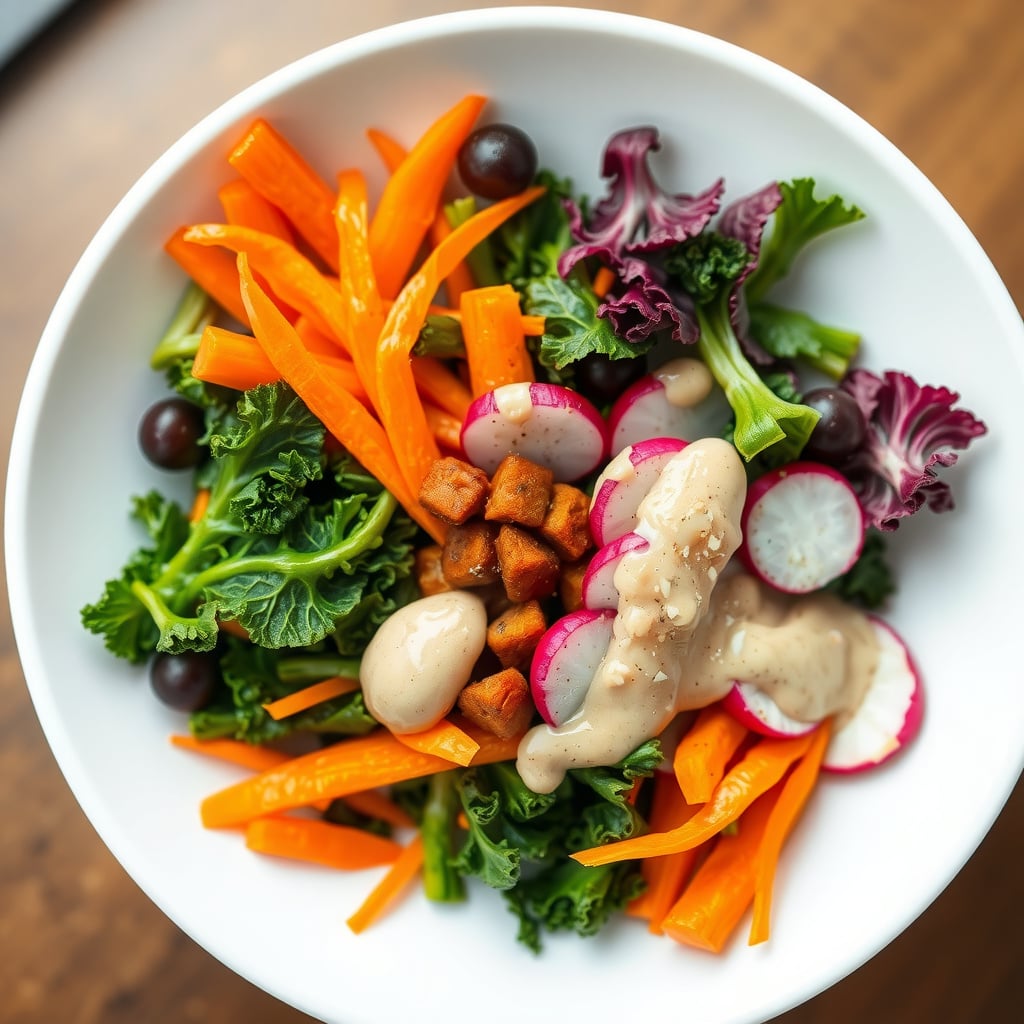
Crisp Rainbow Power Bowl with Lemon-Tahini Dressing
45min
4
View Full Recipe →
Ready to simplify your meal planning?
Let OttoChef AI create personalized meal plans for your family in seconds.