
Master the Strategic Grocery List for Better Cooking
Learn how a strategic grocery list saves money and improves your cooking. Master inventory audits, meal mapping, and efficient shopping techniques today.
Sarah Mitchell
Test Kitchen Director
June 13, 2026
5 min read
Walking into a grocery store without a plan often leads to a cart full of disparate ingredients that do not quite make a meal. This lack of strategy results in food waste, higher costs, and the dreaded decision fatigue at the end of a long workday. Mastering the strategic grocery list is the first step in professionalizing your home kitchen and drastically reducing your monthly food spend. It turns shopping from a chore into a precise tactical exercise that fuels your culinary creativity. Effective shopping is not just about writing down what you need; it is about understanding your existing inventory and how ingredients can be leveraged across multiple meals to maximize value.
The FIFO Method
Professional kitchens use 'First-In, First-Out.' When you bring new groceries home, move the older items to the front of the shelf or fridge so they are used first. This simple habit prevents hidden jars of sauce and wilted greens from being forgotten until they expire.
Before you even pick up a pen, you must conduct a thorough audit of your kitchen. Many home cooks make the mistake of buying duplicates because they did not check the back of the pantry or the bottom of the crisper drawer. This audit serves two purposes: it saves money and it provides inspiration. That half-full bag of lentils or the jar of tahini you bought for one specific dish can become the foundation for your next week of meals.
The Inventory Audit
Open your fridge, freezer, and pantry. Note any proteins that need thawing or produce that is nearing its end. These items should dictate your first few meals of the week.
Once you know what you have, the next phase is Meal Mapping. This differs from rigid meal planning where every single calorie is accounted for. Instead, mapping focuses on 'bridge ingredients.' A bridge ingredient is a versatile item that can be used in several different cuisines or preparation styles throughout the week. For example, a large bunch of flat-leaf parsley can garnish a Mediterranean grain bowl on Monday, brighten a lemon-garlic pasta on Wednesday, and be blended into a chimichurri for steak on Friday. By selecting ingredients that serve multiple purposes, you reduce the number of unique items you need to buy.
"A well-structured grocery list is the blueprint for your kitchen's success; it bridges the gap between a random assortment of ingredients and a cohesive menu."
OttoChef Culinary TeamWhen you begin drafting your list, organize it by the layout of the store. Most grocery stores are designed with a similar flow: produce, then meat and seafood, then the inner aisles for dry goods, and finally dairy and frozen items. If your list is a jumbled mess, you will find yourself zig-zagging across the store, which increases the likelihood of being tempted by impulse buys.
The Impulse Buy Trap
End-caps and eye-level shelves are designed to trigger impulse purchases. Stick to your list to avoid 'budget creep' caused by marketing tactics that emphasize convenience over value.
Identify Bridge Ingredients
Look for produce and proteins that work across different flavor profiles. A head of cabbage, for instance, can be used for a crunchy slaw, a stir-fry, or slow-roasted as a side dish.
Another critical skill is understanding the difference between price and value. This is where unit pricing comes into play. Most store shelves have a small sticker showing the total price and a smaller number indicating the price per ounce or gram.
Unit Pricing Mastery
Always look at the price per unit rather than the total price. Often, the larger container is cheaper in the long run, but only if you have the storage space and a plan to use the ingredient before it spoils.
As you shop, maintain a level of flexibility for seasonal produce. If your plan called for expensive out-of-season asparagus but you find fresh, vibrant green beans on sale, make the swap. This requires a basic understanding of ingredient substitutions—knowing that a hardy green can often replace another or that one citrus can provide the acidity of another. This flexibility is the hallmark of a confident home cook.
Drafting by Department
Group your items into categories: Produce, Proteins, Pantry Staples, and Cold/Frozen. This allows you to clear one section of the store completely before moving to the next, maintaining focus and speed.
Finally, consider the 'Perimeter Strategy.' The freshest, most nutrient-dense foods—fruits, vegetables, meats, and dairy—are usually located around the outer walls of the supermarket. The inner aisles are often filled with highly processed, more expensive convenience foods. While the inner aisles are necessary for staples like beans, grains, and oils, spending seventy percent of your time on the perimeter will generally lead to a healthier, more cost-effective kitchen.
The Bulk Bin Advantage
For items like spices, grains, and nuts, use the bulk bins if available. This allows you to buy exactly the amount you need for a specific week, preventing large bags of expensive ingredients from going stale in your cupboard.
By shifting your mindset from 'buying food' to 'executing a strategy,' you reclaim control over your kitchen budget and your culinary output. A little bit of discipline before you leave the house pays off in the form of better-tasting meals and a significant reduction in stress. The goal is to arrive home with a collection of ingredients that fit together like a puzzle, rather than a bag of random items that leave you reaching for the takeout menu.
Try This Recipe
Now that you've learned about the strategic grocery list: planning before shopping, put your knowledge into practice with this recipe:
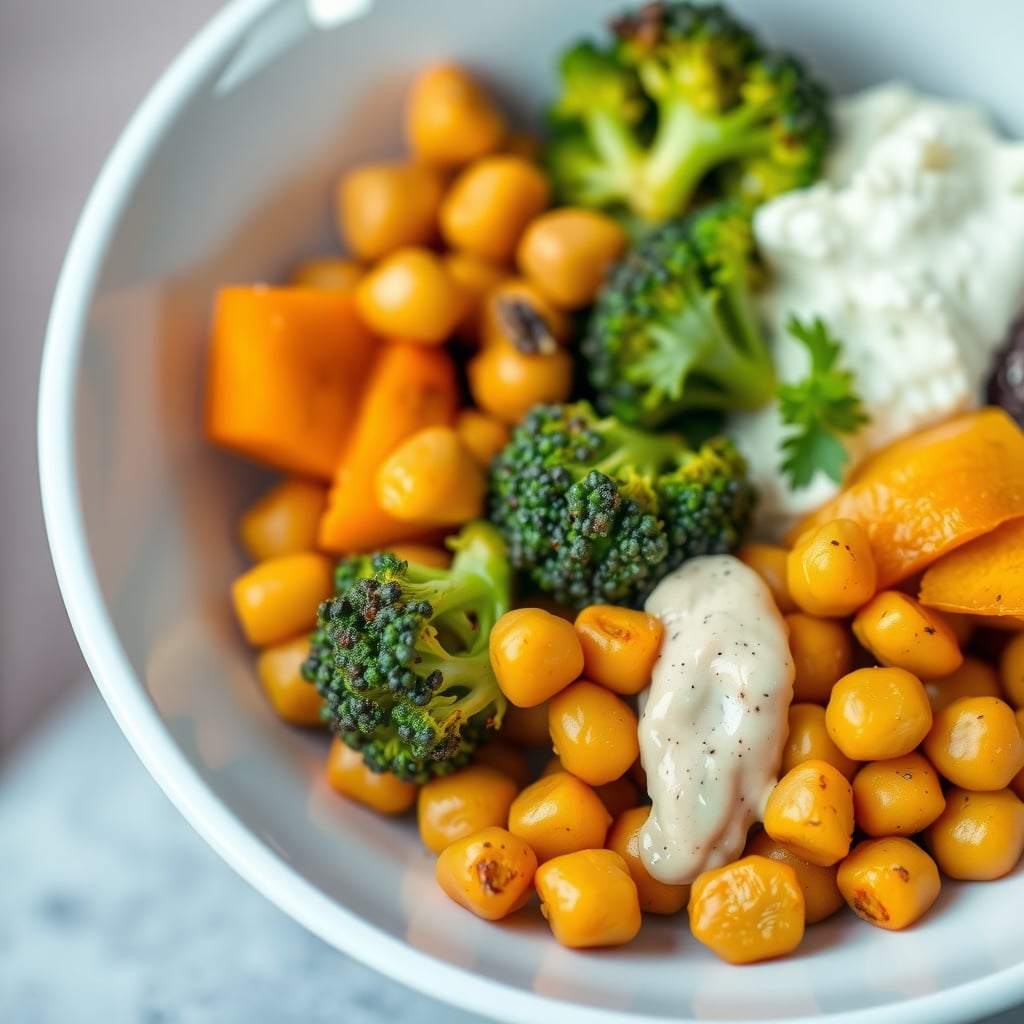
Lemon-Tahini Roasted Chickpea and Veggie Bowl
45min
4
View Full Recipe →
Ready to simplify your meal planning?
Let OttoChef AI create personalized meal plans for your family in seconds.