
Master the Bulk Buy: A Practical Guide to Smart Pantry Stocking
Learn the essentials of bulk buying for your kitchen. Discover which ingredients save money, how to store them, and which items to avoid in large quantities.
Emma Chen
Recipe Developer
May 27, 2026
6 min read
1 view
Walking into a warehouse club or the bulk section of a grocery store often triggers a specific type of optimism. We imagine ourselves as perfectly organized home chefs, prepared for any culinary challenge. However, the reality of bulk buying is frequently less organized, ending in a five-pound bag of flour that has gone rancid or a massive jar of pickles that occupies prime refrigerator real estate for three years. Strategic bulk buying is one of the most effective ways to lower your food costs, but it requires a shift from a 'more is better' mindset to a 'calculated utility' approach.
To master the art of the bulk buy, you must understand the relationship between shelf life, storage capacity, and your actual consumption habits. A discount is only a saving if every ounce of the product eventually reaches a plate. When we buy more than we can reasonably use before quality degrades, we aren't saving money; we are simply paying to manage waste for the grocery store.
The Unit Price Secret
Always look at the small print on the shelf tag. The 'unit price'—usually listed as price per ounce, pound, or 100 grams—is the only way to accurately compare a standard size to a bulk size. Sometimes, the 'family pack' is actually more expensive per unit than the smaller container on sale.
The 'Always Buy' List: High-Utility Staples
Certain items are nearly always better purchased in large quantities because they have a long shelf life and high versatility. These are the workhorses of a budget-friendly kitchen.
-
Whole Grains and Legumes: Dried beans, lentils, chickpeas, and rice are the gold standard for bulk buying. When stored in airtight containers in a cool, dark place, they remain high-quality for years. Unlike canned beans, dried legumes allow you to control the texture and salt content of your dishes while costing a fraction of the price.
-
Hard Cheeses: While pre-shredded cheese is convenient, it is coated in potato starch or cellulose to prevent clumping, which affects how it melts. Buying a large block of a hard cheese like Parmesan, Pecorino, or sharp Cheddar is significantly cheaper. These cheeses have low moisture content and last for months if wrapped tightly.
-
Frozen Vegetables: Flash-frozen vegetables are often more nutritious than 'fresh' produce that has spent a week on a truck. Buying large bags of frozen peas, corn, or spinach allows you to use exactly what you need for a sauté or soup without worrying about the rest of the bag wilting.
-
Dried Pasta: If you have the pantry space, pasta is a non-perishable essential. Because it is a shelf-stable starch, there is almost no downside to buying it in volume.
Rotation Station
Follow the 'First-In, First-Out' (FIFO) principle used in professional kitchens. When you buy a new bag of rice, don't just dump it on top of the old rice. Move the older stock to the front or top so it gets used first.
The 'Proceed with Caution' List
Not every bargain is a deal. Some ingredients lose their culinary value so quickly that buying them in bulk is a mistake for the average household.
Ground Spices: Spices contain volatile oils that provide flavor and aroma. Once a spice is ground, the surface area increases, and those oils evaporate quickly. A giant container of ground cinnamon will likely lose its punch within six months. Unless you are baking for a crowd every week, stick to smaller jars or buy whole spices (like peppercorns or cumin seeds) in bulk and grind them as needed.
Cooking Oils: While a five-gallon jug of olive oil seems like a steal, oil is highly susceptible to oxidation. Heat, light, and oxygen cause fats to go rancid, creating an 'off' flavor that can ruin an entire dish. If you cannot finish a large container within three to four months, buy smaller bottles.
Flour and Whole Grains: Refined white flour is relatively stable, but whole wheat flour contains the germ and bran, which have natural oils. These oils can turn bitter and rancid if left at room temperature for too long. If you buy whole-grain flours in bulk, store them in the freezer to extend their life.
The Oxidation Enemy
Oxygen is the primary cause of food spoilage for dry goods. Investing in airtight glass or BPA-free plastic containers is essential for bulk success. If you leave your bulk grains in the original thin plastic bags, they are vulnerable to pests and moisture.
"Bulk buying is a logistical strategy, not just a shopping habit. It requires knowing your kitchen's 'burn rate' for every ingredient."
OttoChef Culinary TeamHow to Process Bulk Proteins
Buying meat in 'family packs' or whole primal cuts is one of the most significant ways to slash a grocery budget. However, you must be prepared to process it the moment you get home to prevent spoilage and freezer burn.
Sanitize and Prepare
Clear your workspace and sharpen your knife. When handling large quantities of raw protein, cross-contamination is a risk. Have your storage bags or vacuum sealer ready before you start touch the meat.
Portion for Reality
Do not freeze a five-pound pack of chicken breasts as a single solid block. You will be forced to thaw the entire thing even if you only need two pieces. Separate the meat into portions that match your typical meal size (e.g., 1lb increments or 2-piece packs).
Remove Air
Air is the enemy in the freezer. It causes ice crystals to form on the surface of the food, leading to 'freezer burn' which ruins the texture. Use a vacuum sealer if possible; if not, use the 'water displacement method' with zip-top bags to press out as much air as possible.
Label and Date
Everything looks the same once it is frozen. Use a permanent marker to label the cut of meat, the weight, and the date it was frozen. Try to use frozen proteins within 3-6 months for the best quality.
Building a Sustainable System
Successful budget cooking isn't about deprivation; it's about efficiency. When you stock your pantry with bulk items that you actually use, you create a foundation for spontaneous, low-cost meals. You stop shopping for 'recipes' and start cooking from your 'inventory.'
Start small. Choose three items you use every single week—perhaps rice, black beans, and oats. Track how long it takes you to finish a standard size, then calculate if the bulk size fits within that timeframe. By mastering these small cycles of consumption, you'll develop the intuition needed to manage a professional-grade home pantry without the waste.
Try This Recipe
Now that you've learned about the bulk buying guide: what's worth it and what's not, put your knowledge into practice with this recipe:
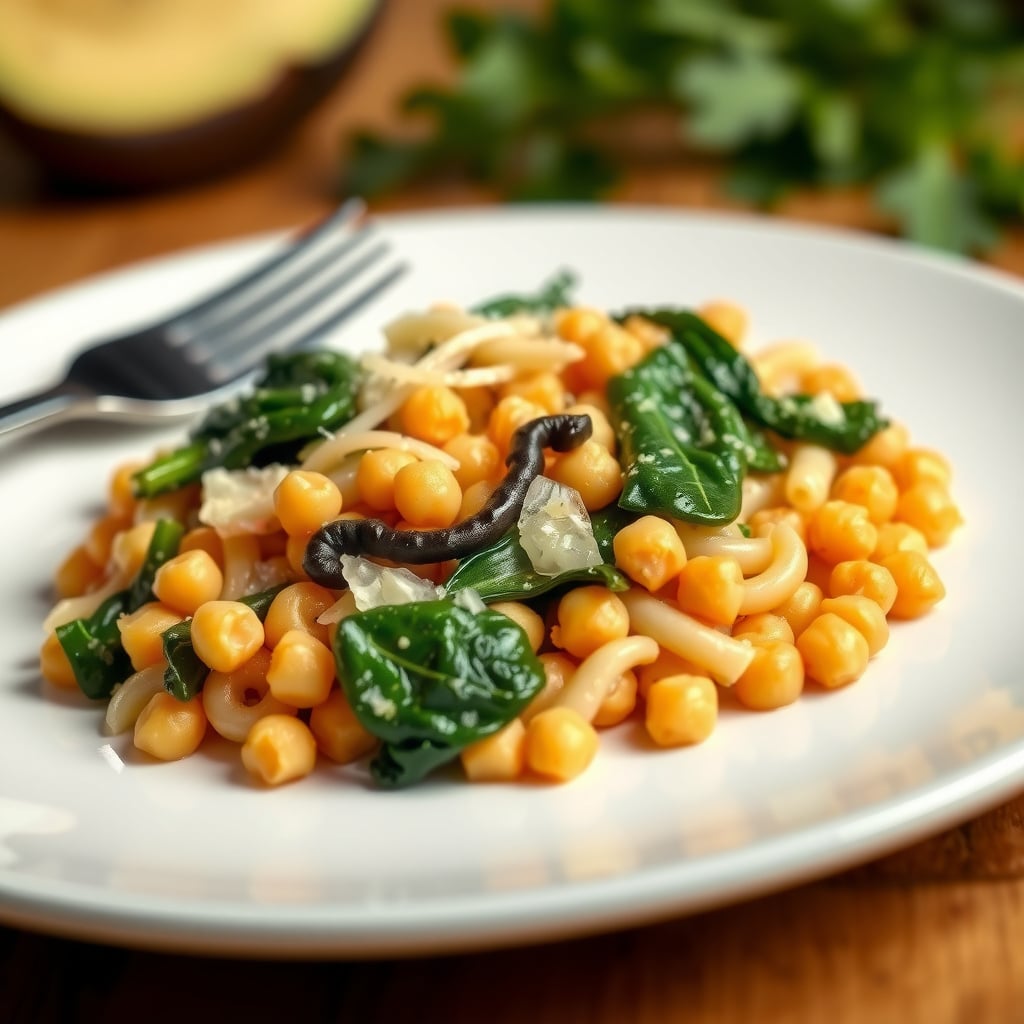
One-Pot Creamy Parmesan Orzo with Chickpeas and Spinach
30min
4
View Full Recipe →
Ready to simplify your meal planning?
Let OttoChef AI create personalized meal plans for your family in seconds.