
Master the Art of Reduction: Concentrate Flavors Like a Pro
Learn how reduction transforms thin liquids into rich, complex sauces. Discover the science, techniques, and common mistakes to avoid when concentrating flavors.
Lily Nakamura
Recipe Editor
April 20, 2026
9 min read
9 views
You've followed the recipe perfectly, but your sauce tastes watery and bland. Meanwhile, that dish at your favorite restaurant had a sauce so rich and concentrated, you could taste every layer of flavor. The difference? Proper reduction.
Reduction is one of the most powerful techniques in a cook's arsenal, yet it's often misunderstood or rushed. By evaporating water from a liquid through gentle simmering, you concentrate flavors, intensify colors, and create a sauce with body and depth. But reduction isn't just about boiling something down—it's about understanding what happens chemically and how to control the process for the best results.
Understanding the Science Behind Reduction
When you reduce a liquid, you're not creating new flavors—you're concentrating existing ones. As water evaporates, the remaining components become more concentrated: sugars intensify, proteins thicken, and aromatic compounds become more pronounced. This is why a reduced stock tastes so much richer than the original.
The Evaporation Factor
Water evaporates at 212°F (100°C) at sea level, but other flavor compounds have much higher boiling points. This means water leaves while flavors stay behind, concentrating in the remaining liquid. A sauce reduced by half has roughly twice the flavor intensity.
The key is controlling the rate of evaporation. Too fast, and you'll lose delicate aromatics or scorch the bottom of your pan. Too slow, and you'll spend hours at the stove. The sweet spot is a gentle simmer with small bubbles breaking the surface regularly—not a rolling boil.
When to Use Reduction
Reduction shines in several cooking scenarios:
Pan Sauces: After searing meat, deglaze the pan with wine or stock and reduce to concentrate the fond (those flavorful browned bits) into a luxurious sauce.
Stock to Demi-Glace: Professional kitchens reduce stock by 75% or more to create demi-glace, an intensely flavored base that can be reconstituted or used as-is for maximum impact.
Cream Sauces: Reducing cream with aromatics creates a naturally thick, rich sauce without flour or cornstarch.
Glazes: Balsamic vinegar, fruit juices, or wine reduced with sugar creates syrupy glazes perfect for drizzling over proteins or vegetables.
Braising Liquids: After braising, reduce the cooking liquid to concentrate all the flavors that have developed during the slow cooking process.
Choose Your Pan
Use a wide, shallow pan with plenty of surface area. More surface area means faster evaporation. A 12-inch skillet will reduce sauce much faster than a narrow saucepan with the same volume.
Set the Right Temperature
Bring liquid to a boil, then reduce heat to maintain a steady simmer. You should see small bubbles consistently breaking the surface, but not a violent boil that splashes everywhere.
Monitor and Adjust
Stay nearby and stir occasionally. As the liquid reduces, it concentrates faster and can scorch more easily. Reduce heat as the sauce thickens.
Test for Doneness
Coat the back of a spoon with sauce. Run your finger through it—if the line holds without liquid running back together, you've achieved "nappe" consistency, the classic test for proper reduction.
The Flavor Evolution During Reduction
Reduction isn't just about volume—it's about flavor transformation. In the early stages, bright, fresh notes dominate. As reduction progresses, deeper, more complex flavors emerge. Acids mellow, sweetness intensifies, and savory notes become more pronounced.
"The difference between good cooking and great cooking often comes down to patience—letting a sauce reduce properly is where home cooks can easily elevate their dishes to restaurant quality."
Thomas Keller, The French Laundry CookbookThis is why timing matters. A wine reduction needs enough time for the alcohol to cook off and the sharp acidity to round out. Rush it, and you'll taste harsh, raw wine. Give it time, and you'll get concentrated, complex fruit notes.
The Oversalting Trap
This is the most common reduction mistake. If your starting liquid contains salt, remember that as you reduce by half, the salt concentration doubles. Always undersalt at the beginning and adjust seasoning at the end, after reduction is complete.
Different Liquids, Different Techniques
Wine Reductions: Reduce wine by at least two-thirds to cook off alcohol and concentrate fruit flavors. Red wine reductions benefit from a splash of port or balsamic at the end for depth.
Stock Reductions: Can be reduced dramatically—even by 90% for glace de viande (meat glaze). The collagen and gelatin in good stock will create a thick, glossy result.
Cream Reductions: Require gentle heat and constant attention. Heavy cream can be reduced by about half before it becomes too thick. Add aromatics like garlic, shallots, or herbs during reduction for infused flavor.
Acidic Reductions: Vinegars and citrus juices need careful handling. Reduce them with a bit of sugar to balance acidity and prevent an overly sharp result. Balsamic vinegar, for instance, becomes syrupy and sweet when properly reduced.
The Deglazing Advantage
Reduction works beautifully for pan sauces because you're not just concentrating liquid—you're also dissolving and incorporating all those flavorful browned bits (fond) stuck to the pan. Use wine, stock, or even water to deglaze, scraping with a wooden spoon while the liquid simmers.
Temperature Control is Everything
The temperature at which you reduce affects the final result. High heat evaporates water quickly but can cause several problems:
- Loss of delicate aromatic compounds
- Scorching on the pan bottom
- Emulsification breaking (in butter or cream sauces)
- Uneven reduction with some areas too thick while others remain thin
Gentle, steady heat gives you control. You can walk away for a moment without disaster. You preserve more complex flavors. And you can better judge when to stop—there's a wider window between "perfectly reduced" and "overcooked."
Finishing Techniques for Reduced Sauces
Once you've achieved the right consistency, finishing techniques take your reduction from good to extraordinary:
Mounting with Butter (Monter au Beurre): Remove the pan from heat and swirl in cold butter cubes. This creates a silky, glossy sauce with rich mouthfeel. The butter should emulsify into the sauce, not melt into an oily layer.
Straining: For the smoothest texture, strain your reduction through a fine-mesh sieve to remove any solids, especially if you've added aromatics during cooking.
Adjusting Consistency: Too thick? Whisk in a small amount of stock or water. Too thin? Continue reducing, or add a small amount of cornstarch slurry (though this is a shortcut that changes the texture).
The Cold Plate Test
Keep a small plate in the freezer. When you think your reduction is ready, spoon a small amount onto the cold plate. It will cool quickly and show you the final consistency. This prevents over-reducing, which is much harder to fix than under-reducing.
Common Reduction Mistakes and How to Fix Them
Mistake #1: Starting with Low-Quality Liquid Reduction concentrates everything—including off-flavors. That wine you wouldn't drink? It'll taste worse when reduced. Use liquids you'd be happy consuming on their own.
Mistake #2: Covering the Pan A lid traps steam and prevents evaporation—the opposite of what you want. Always reduce uncovered.
Mistake #3: Walking Away Reduction speeds up as liquid decreases. What seems like slow progress can suddenly turn into a scorched pan. Stay nearby, especially in the final stages.
Mistake #4: Reducing Dairy Too Much Cream and milk can break if reduced too far or over too high heat. Watch for curdling and reduce heat if you see any separation.
Building Layers Through Multiple Reductions
Advanced cooks use reduction multiple times in a single dish. For example:
- Reduce wine with shallots for a base
- Add stock and reduce again for body
- Finish with cream and reduce to final consistency
- Mount with butter for richness
Each reduction layer adds complexity. The wine reduction contributes acidity and fruit notes. The stock reduction adds savory depth. The cream reduction creates texture. The butter adds richness and sheen.
This layered approach is how professional kitchens create sauces with remarkable depth from relatively simple ingredients.
Historical Context
Classical French cuisine built its reputation on reduced sauces. The five "mother sauces" of French cooking nearly all involve reduction to some degree. Espagnole sauce, for instance, requires reducing brown stock multiple times over days to achieve its characteristic richness.
Practical Applications for Home Cooks
You don't need to spend days reducing stock to benefit from this technique. Here are everyday applications:
Weeknight Pan Sauces: After cooking chicken breasts or pork chops, deglaze with 1/2 cup wine or stock. Reduce by half (about 3-4 minutes), add a tablespoon of butter, and you have a restaurant-quality sauce.
Pasta Water Magic: Save pasta cooking water and reduce it with butter and garlic while your pasta finishes. The starchy water reduces to a silky coating for your noodles.
Vegetable Glazes: Reduce vegetable stock with a touch of honey or maple syrup until syrupy. Toss roasted vegetables in this glaze for incredible flavor.
Soup Enhancement: If your soup tastes flat, ladle out a cup, reduce it by half in a separate pan, then stir it back in. This concentrates flavors without over-reducing the entire pot.
The Patience Principle
Reduction teaches an essential cooking lesson: patience creates flavor. In our fast-paced world, the temptation to crank up the heat and speed things along is strong. Resist it. Those extra five or ten minutes of gentle simmering create flavors that no shortcut can match.
The next time a recipe calls for reducing liquid, don't see it as dead time. Watch the transformation. Notice how the color deepens, the aroma intensifies, and the texture changes. Taste at different stages to understand how flavors evolve.
This is cooking as meditation—and the reward is sauce so flavorful, so perfectly balanced, that it transforms everything it touches. Start with a simple pan sauce after your next seared steak. Once you taste the difference proper reduction makes, you'll never skip this step again.
Try This Recipe
Now that you've learned about the art of reduction: concentrating flavors, put your knowledge into practice with this recipe:
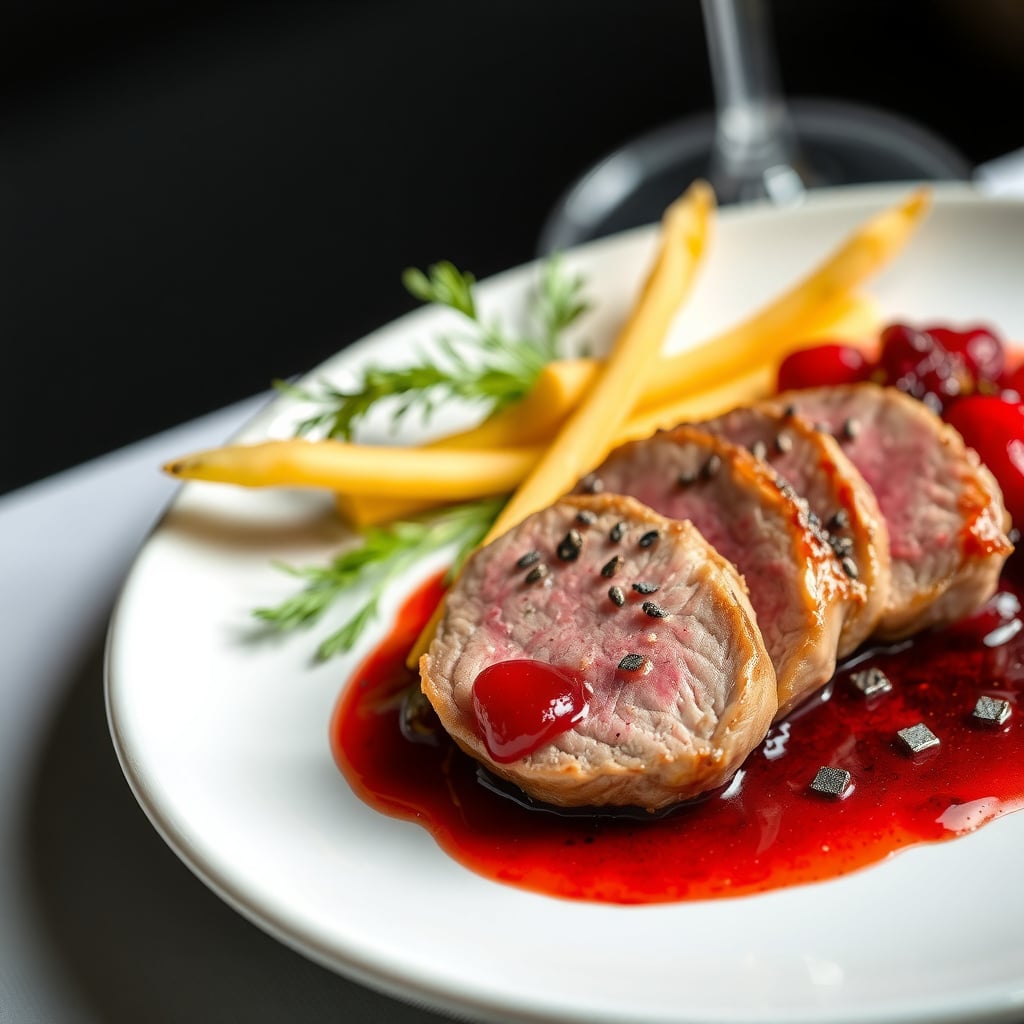
Pan-Seared Duck Breast with Red Wine & Cherry Reduction
60min
4
View Full Recipe →
Ready to simplify your meal planning?
Let OttoChef AI create personalized meal plans for your family in seconds.