
Master the 5 French Mother Sauces: Your Foundation for Endless Meals
Learn how the five French mother sauces unlock countless variations for weeknight dinners, meal prep, and elevated home cooking. Practical guide for modern kitchens.
Emma Chen
Recipe Developer
April 14, 2026
8 min read
6 views
Every time you make mac and cheese, you're using a technique refined in 19th-century French kitchens. When you drizzle hollandaise over asparagus or thicken gravy for Sunday roast, you're tapping into a system so elegant that it's lasted over 150 years. The five mother sauces—béchamel, velouté, espagnole, hollandaise, and tomato—aren't museum pieces. They're your secret weapon for transforming simple ingredients into restaurant-quality meals without following recipes.
Understanding these foundational sauces changes how you cook. Instead of searching for "what sauce goes with chicken," you'll know that a velouté base gives you options from classic supreme to mushroom cream sauce. Instead of buying jarred alfredo, you'll whip up béchamel variations in the time it takes to boil pasta. This isn't about cooking French food—it's about having a framework that makes meal planning faster and more creative.
Why These Five Sauces Matter for Modern Cooking
Chef Auguste Escoffier codified the mother sauce system in the early 1900s, but the concept is brilliantly simple: master five base techniques, and you can create hundreds of derivative sauces (called "small sauces") by adjusting ingredients. For home cooks juggling meal prep and weeknight dinners, this system is incredibly practical. Make one base on Sunday, and you've got the foundation for three different meals during the week.
The Daughter Sauce Advantage
Each mother sauce spawns dozens of variations. Béchamel becomes Mornay (add cheese), soubise (add onions), or mustard sauce (add Dijon). One technique, endless applications.
The beauty of this system is scalability. Whether you're cooking for two or meal-prepping for a family, the ratios stay consistent. Learn the base formula, and you can confidently adjust quantities without second-guessing measurements.
Béchamel: Your Weeknight Workhorse
Béchamel—a white sauce made from butter, flour, and milk—is probably already in your cooking rotation, even if you don't call it that. It's the base of mac and cheese, lasagna, pot pie filling, and cream soups. The technique is straightforward: cook equal parts butter and flour (called a roux) for 2-3 minutes, then whisk in milk until thickened.
Make Your Roux
Melt butter over medium heat, add flour, and cook while stirring constantly for 2-3 minutes. The mixture should smell nutty but remain pale blonde.
Add Liquid Gradually
Warm your milk first (cold milk creates lumps). Add it in three additions, whisking thoroughly after each pour until smooth before adding more.
Season and Simmer
Add salt, white pepper, and a pinch of nutmeg. Simmer gently for 10-15 minutes, stirring occasionally, until the floury taste disappears.
For meal planning, béchamel is incredibly versatile. Make a large batch on Sunday: use some for Monday's pasta, thin a portion with stock for Tuesday's cream of vegetable soup, and mix the rest with cheese and vegetables for Wednesday's gratin. Store it in the fridge with plastic wrap pressed directly on the surface to prevent skin formation.
Prevent Lumps Every Time
Temperature is everything. Warm milk + medium heat = smooth sauce. Cold milk + high heat = lumpy disaster. If you do get lumps, an immersion blender fixes them in seconds.
Velouté: The Lighter Alternative
Velouté follows the same roux technique as béchamel but uses light stock (chicken, fish, or vegetable) instead of milk. This creates a more delicate sauce that doesn't compete with your protein's flavor. It's your go-to for chicken dishes, fish preparations, and lighter pasta sauces.
The key to excellent velouté is stock quality. Homemade stock creates noticeably better sauce, but good store-bought stock works fine—just reduce the salt since you'll concentrate flavors as the sauce simmers. Common velouté derivatives include:
- Supreme sauce: Add cream and mushroom essence (perfect for chicken)
- Allemande: Enrich with egg yolks and lemon (ideal for veal or vegetables)
- Bercy sauce: Add shallots and white wine (excellent for fish)
"Master the mother, and the daughters take care of themselves. Once you understand the base technique, variations become intuitive."
Jacques PépinFor meal prep, velouté bases freeze beautifully for up to three months. Portion into ice cube trays, then transfer frozen cubes to freezer bags. Two cubes melted in a pan give you instant sauce for sautéed chicken breasts or steamed vegetables.
Espagnole: Deep Flavor for Hearty Meals
Espagnole (brown sauce) requires more time than the others, which is why it's less common in modern home cooking. But understanding its principles helps you build deeper flavors in everyday dishes. Instead of a blonde roux, you cook the flour and fat until deep brown, creating rich, toasted flavors. Then you add brown stock and tomatoes.
While traditional espagnole takes hours, you can apply its concepts quickly: browning your flour in the pan after searing meat, deglazing with wine, then adding stock creates those same deep, complex flavors in 15 minutes. The most famous derivative is demi-glace (espagnole reduced with more stock until syrupy), which transforms simple steaks or roasted vegetables into restaurant-quality dishes.
Don't Burn Your Roux
Brown roux requires constant stirring and medium-low heat. Burnt roux tastes acrid and ruins the entire sauce. If you see black specks, start over—there's no saving it.
For practical meal planning, think of espagnole principles when making pan sauces for beef, lamb, or mushroom dishes. That deglazing technique you use for weeknight steak? It's espagnole's descendant.
Hollandaise: Emulsion Magic for Special Occasions
Hollandaise breaks the pattern—it's an emulsion of egg yolks and butter rather than a roux-based sauce. While it has a reputation for difficulty, the technique is quite forgiving once you understand the science. You're creating a stable emulsion where butter (fat) suspends in egg yolks (water and emulsifiers).
The key is gentle heat and gradual incorporation. Whisk egg yolks with lemon juice over barely simmering water (or use a blender for foolproof results), then slowly drizzle in melted butter while whisking constantly. The sauce thickens as the emulsion forms.
Fix Broken Hollandaise in Seconds
If your hollandaise breaks (separates), start fresh with one egg yolk and a teaspoon of water in a clean bowl. Slowly whisk in the broken sauce—it'll re-emulsify beautifully.
Hollandaise derivatives include:
- Béarnaise: Add tarragon and shallots (perfect for steak)
- Choron: Béarnaise with tomato paste (excellent for fish or eggs)
- Maltaise: Add blood orange juice (wonderful for asparagus)
While hollandaise doesn't store well, the technique teaches you emulsion principles that apply to mayonnaise, aioli, and vinaigrettes—all useful for meal prep and quick weeknight additions.
Tomato Sauce: Simple Foundations, Endless Variations
The fifth mother sauce is straightforward: tomatoes, aromatics, and seasonings simmered until flavorful. Unlike Italian-American red sauce (which is delicious but different), French tomato sauce focuses on pure tomato flavor enhanced with vegetables and herbs. It's your base for pizzas, braises, poached eggs, and countless pasta dishes.
The beauty of tomato sauce for meal planning is its flexibility. Make a large batch with just tomatoes, onions, carrots, and garlic. Portion it out, then customize throughout the week: add cream and vodka for Monday's pasta, mix with beans for Tuesday's shakshuka, thin with stock for Wednesday's braising liquid.
Fresh vs. Canned Tomatoes
For sauce-making, quality canned San Marzano tomatoes often outperform fresh unless you're using peak-season heirlooms. Canned tomatoes are picked ripe and preserved immediately, while supermarket fresh tomatoes are often picked green and lack flavor.
Putting It All Together: A Week of Mother Sauce Meals
Here's how these sauces transform meal planning: Spend one hour on Sunday making béchamel and tomato sauce bases. Store them in the fridge. During the week:
- Monday: Thin béchamel with pasta water, add parmesan and peas for quick pasta
- Tuesday: Use tomato sauce as base for shakshuka with eggs
- Wednesday: Make quick velouté with chicken stock for pan-seared chicken
- Thursday: Reheat tomato sauce with white beans and kale
- Friday: Turn remaining béchamel into cheese sauce for vegetable gratin
The system isn't about cooking French food—it's about understanding how sauces work so you can improvise confidently. Once you grasp that thickening + flavoring liquid = sauce foundation, you stop needing recipes for every meal.
Start With One
Don't try mastering all five at once. Spend two weeks working with béchamel until the technique feels natural. Then add velouté. Build your repertoire gradually, and these sauces will become second nature.
Beyond Tradition: Modern Applications
Contemporary cooks adapt these techniques constantly. Béchamel made with oat milk works for dairy-free cooking. Velouté using miso-enriched vegetable stock adds umami depth. Tomato sauce spiked with harissa brings North African heat. The mother sauces aren't rules—they're frameworks for understanding how fats, liquids, and thickeners interact.
The real power of this system is confidence. When you understand these five foundations, you stop relying on recipes for everything. You open the fridge, see leftover chicken and some vegetables, and know that a quick velouté will bring it together. You spot beautiful tomatoes at the market and already know three ways to build dinner around them.
That's the transformation Escoffier's system offers modern home cooks: not a collection of fancy French recipes, but a practical framework that makes everyday cooking faster, more creative, and infinitely more flexible. Master these five techniques, and you'll never wonder "what should I make for dinner" the same way again.
Try This Recipe
Now that you've learned about french mother sauces and their modern applications, put your knowledge into practice with this recipe:
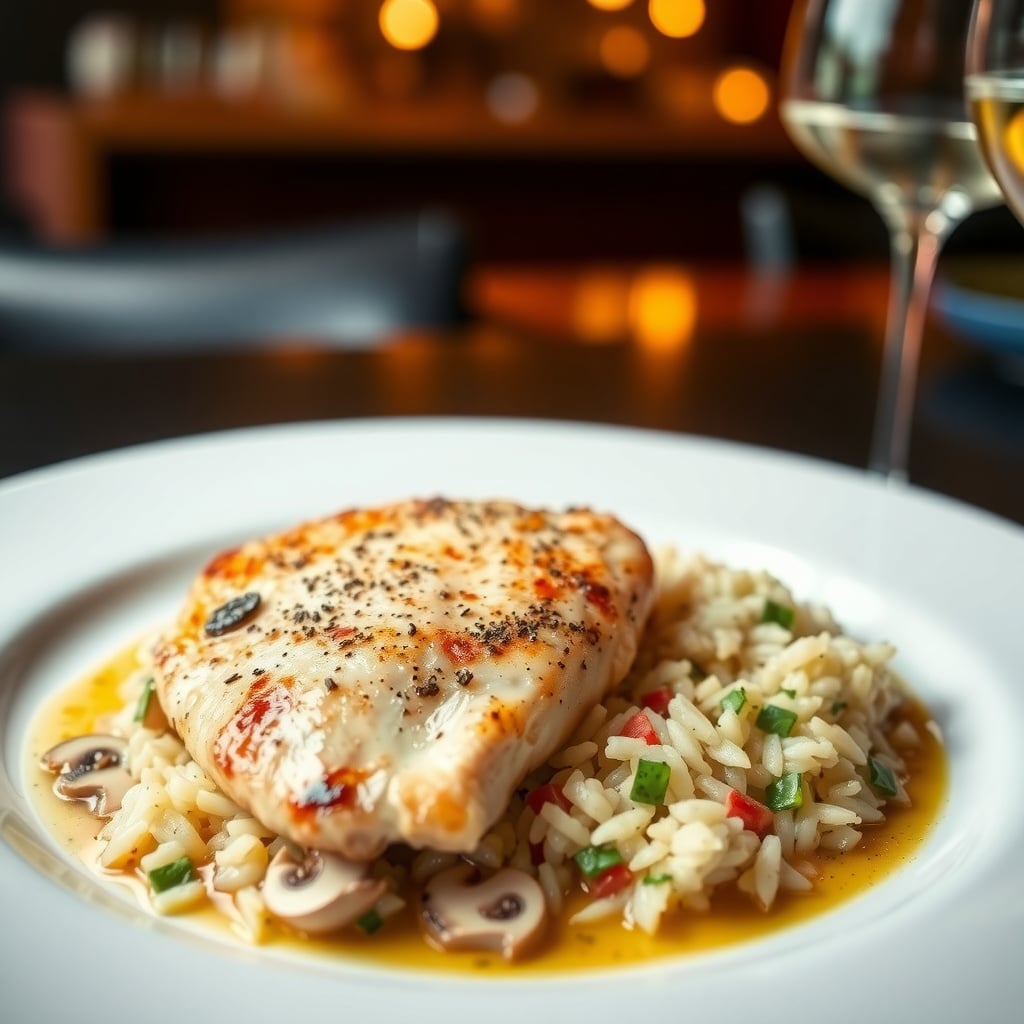
Pan-Seared Chicken with Mushroom Velouté and Herb Rice Pilaf
70min
4
View Full Recipe →
Ready to simplify your meal planning?
Let OttoChef AI create personalized meal plans for your family in seconds.