
Master Restaurant-Quality Pan Sauces: French & Asian Techniques
Learn professional pan sauce techniques at home with our Szechuan stir-fry and French chasseur recipes. Transform simple ingredients into restaurant-worthy dinners.
Emma Chen
Recipe Developer
March 18, 2026
7 min read
9 views
There's a reason professional chefs obsess over pan sauces: they transform simple proteins into restaurant-worthy dishes using nothing more than technique, timing, and a handful of quality ingredients. Tonight, we're diving into two distinct traditions—French and Chinese—to show you how mastering pan sauces can elevate your weeknight cooking from ordinary to extraordinary.
Whether you're building a cognac-laced chasseur or a fiery Szechuan glaze, the fundamentals remain surprisingly similar. Both techniques harness the power of high heat, proper fond development, and strategic deglazing to create deeply flavorful sauces that cling to every bite. The best part? Once you understand these principles, you'll never look at a plain chicken breast or steak the same way again.
The Secret Behind Szechuan Stir-Fry Excellence
Chinese restaurant cooking seems impossibly fast and effortlessly delicious. The secret? Technique over time. Velveting—a process where proteins are coated in cornstarch and briefly marinated—creates an invisible shield that keeps meat impossibly tender even under scorching wok heat.
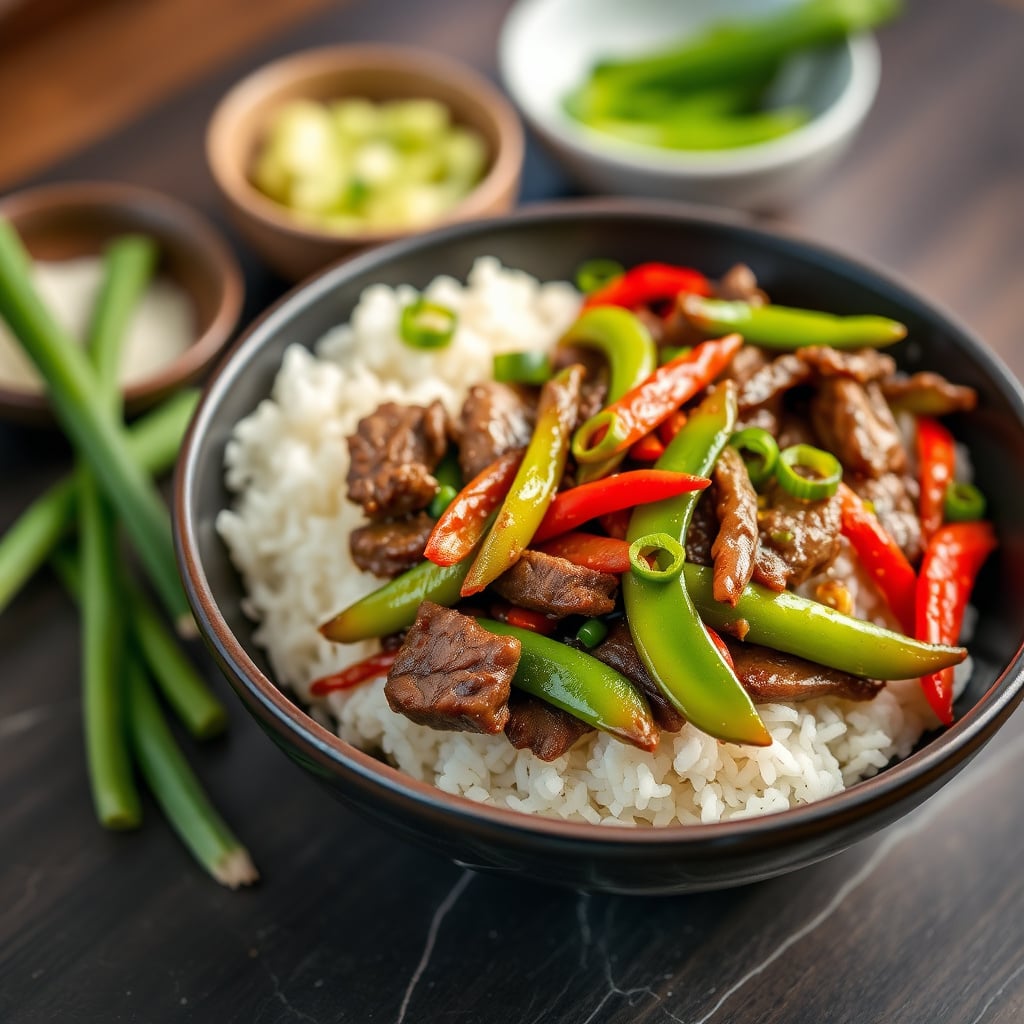
Szechuan Beef Stir-Fry with Velveted Tri-Tip, Ginger-Garlic Snap Peas, and Scallion Jasmine Rice
55min
4
View Full Recipe →
This stir-fry showcases velveting at its finest. The tri-tip, an often-underutilized cut, becomes melt-in-your-mouth tender while developing that characteristic seared crust you'd expect from your favorite Chinese restaurant. The cornstarch doesn't just tenderize—it creates the perfect surface for the sauce to cling to, ensuring every piece is coated in that glossy, spice-forward glaze.
Tri-Tip Steak
This lean, flavorful cut is perfect for stir-frying when properly velveted. It's more affordable than ribeye but delivers similar beefy flavor with a tender texture when sliced against the grain.
The Velveting Game-Changer
Mix your sliced beef with 1 tablespoon cornstarch, 1 tablespoon soy sauce, and 1 teaspoon oil. Let it sit for 15-30 minutes while you prep everything else. This simple step is the difference between tough, chewy meat and restaurant-quality tenderness.
The key to stir-fry success is organization. Have everything prepped, measured, and within arm's reach before you turn on the heat. Once that pan hits temperature, you're moving fast—adding ingredients in quick succession, tossing constantly, building layers of flavor in mere minutes.
Achieving Wok Hei
Heat your pan or wok until a drop of water evaporates instantly on contact. This intense heat creates wok hei—that distinctive smoky, seared flavor that defines great Chinese cooking. Don't crowd the pan; cook the beef in batches if needed to maintain that crucial high temperature.
French Technique: Building the Perfect Chasseur
While Chinese cooking prizes speed and high heat, French pan sauces reward patience and precision. Chasseur—literally "hunter's style"—is a classic technique that turns simple pan drippings into liquid gold.
Featured Recipe
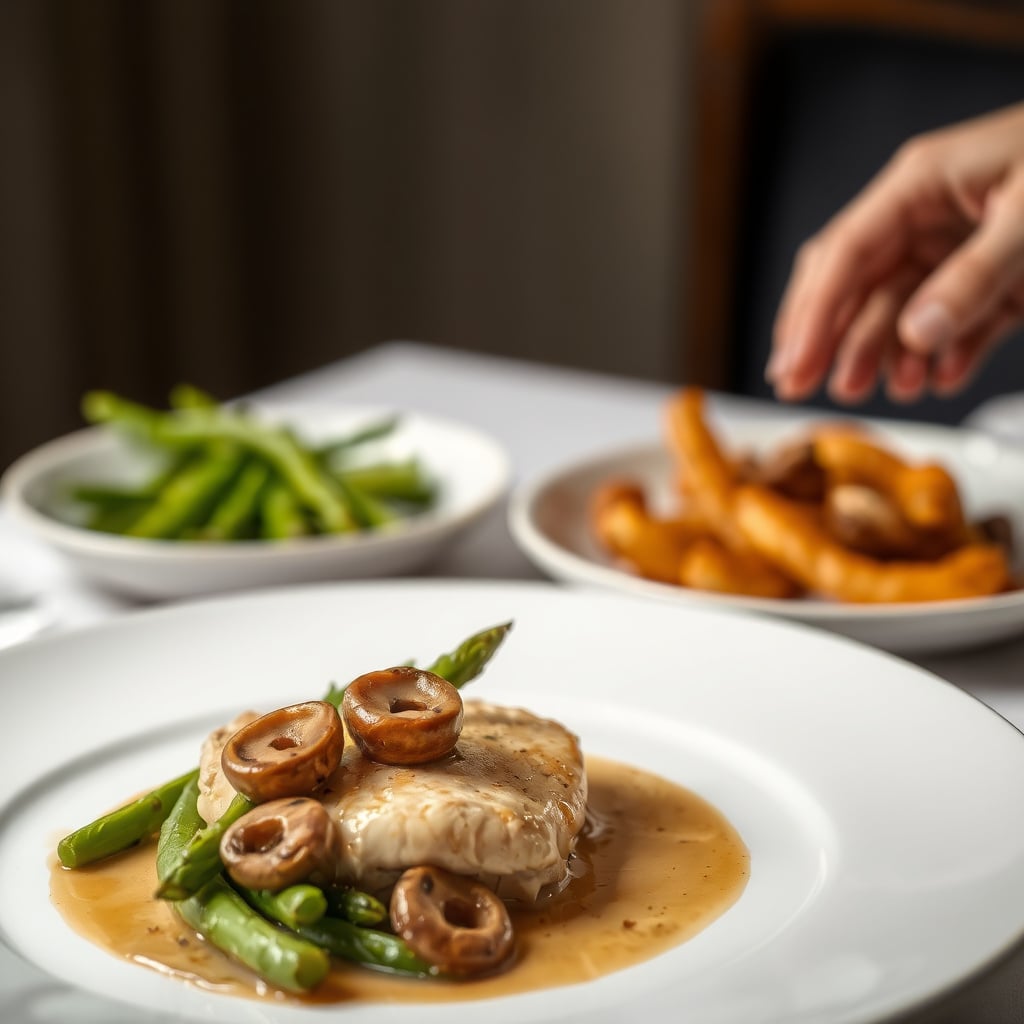
Chicken Breast Chasseur with Cognac-Mushroom Pan Sauce, Herb-Butter Haricots Verts, and Crispy Garlic Pommes Sarladaises
75 min
4
The chasseur method teaches you everything you need to know about French sauce-making. First, you develop fond—those beautiful browned bits stuck to the pan after searing. Then you build layers: aromatics, mushrooms, herbs, and finally the dramatic flambé with cognac. Each addition contributes depth, creating a sauce far greater than the sum of its parts.
Cognac
While pricey, a small amount transforms this sauce from good to exceptional. The flambé burns off harsh alcohol while leaving behind complex, caramelized notes. If you skip the cognac, add an extra splash of white wine and a pinch of sugar to compensate.
Flambé Safety
If you're new to flambé, remove the pan from heat before adding cognac, then carefully return it to the flame. Keep a lid nearby to smother flames if needed. The dramatic flames look impressive but only last seconds—don't panic!
What makes chasseur particularly brilliant is its versatility. Master this technique with chicken tonight, and you can apply the same principles to pork chops, veal, or even thick fish fillets. The sauce adapts beautifully to whatever protein you're cooking.
The Universal Principles of Great Pan Sauces
Both these recipes, despite their different cultural origins, share fundamental principles that every home cook should understand:
Temperature Control: Whether you're searing beef for stir-fry or chicken for chasseur, high heat is non-negotiable. A properly heated pan creates the caramelization that forms the foundation of your sauce.
Fond is Flavor: Those stuck-on bits aren't burnt mistakes—they're concentrated flavor waiting to be released. The Szechuan sauce dissolves them with soy sauce and stock; the chasseur uses wine and cognac. Either way, you're capturing every bit of flavor.
Proper Deglazing: Add liquid to your hot pan, scrape vigorously with a wooden spoon, and watch the fond dissolve into your sauce. This single technique is responsible for more restaurant-quality flavor than any other home cooking trick.
The Perfect Pan for Sauce-Making
Stainless steel is your best friend for developing fond and deglazing. Unlike non-stick, it allows proper browning and makes it easy to see and scrape up those flavorful bits. Cast iron works too, but stainless gives you better visual cues.
From Prep to Plate: Timing Your Success
The stir-fry clocks in at 55 minutes total, with most of that time spent on prep. Once you start cooking, you'll be done in under 10 minutes. The chasseur takes longer—75 minutes—but much of that is hands-off simmering time where the sauce reduces and intensifies.
Make-Ahead Strategy
Both sauces can be made ahead. The chasseur actually improves overnight as flavors meld. The stir-fry sauce can be prepped in advance, though the actual cooking must be done just before serving to maintain that crucial crispy texture.
For the stir-fry, your prep list is straightforward: velvet the beef, slice vegetables uniformly for even cooking, and mix your sauce components. For the chasseur, focus on getting a perfect sear on your chicken, then let the sauce build while the meat rests.
"Once you nail the deglazing technique, you'll never want to waste those pan drippings again. It's like discovering a secret ingredient that was hiding in plain sight."
Chef Thomas KellerWhy These Techniques Matter Beyond Tonight's Dinner
Learning these two approaches—fast and furious Asian stir-frying versus patient French sauce-building—gives you a complete toolkit for weeknight cooking. Got 30 minutes and some chicken thighs? Chasseur. Need dinner in 15 minutes flat with some flank steak? Velveting and stir-fry.
Both techniques scale beautifully. The stir-fry feeds four but doubles easily for meal prep. The chasseur makes enough sauce to coat four generous portions, with extra for sopping up with crusty bread (always make extra sauce—you'll thank yourself later).
Fresh Herbs
Both recipes benefit from fresh herbs—thyme in the chasseur, scallions in the stir-fry. They're not garnishes; they're integral to the flavor profile. Keep a small herb garden on your windowsill or buy the living herb pots that last weeks in your fridge.
Your Restaurant-Quality Dinner Awaits
The gap between home cooking and restaurant food isn't about fancy equipment or exotic ingredients. It's about technique—understanding how heat, timing, and a few fundamental methods can transform everyday ingredients into something genuinely special.
These two recipes prove that point beautifully. One draws from the wok traditions of Szechuan, the other from French bistro classics, but both deliver the kind of deeply satisfying, flavor-packed dinner that makes you wonder why you ever settled for plain grilled chicken.
Start with whichever cuisine calls to you tonight. Try the stir-fry if you're craving bold, spicy flavors and impressive speed. Choose the chasseur if you want to slow down, sip wine while you cook, and fill your kitchen with the aroma of mushrooms and herbs.
Either way, you're not just making dinner—you're mastering techniques that will transform how you cook for years to come. Ready to get started? Pick your recipe, heat your pan, and prepare to impress yourself with what you can create in your own kitchen.
Ready to simplify your meal planning?
Let OttoChef AI create personalized meal plans for your family in seconds.