
Master Korean Banchan: Modular Weekday Meal Prep Strategy
Transform weeknight cooking with the Korean banchan framework. Learn how modular side dishes simplify meal planning and elevate daily dining.
Alex Thompson
Food Editor
October 11, 2026
5 min read
Standard meal prep often leaves home cooks with four identical containers of chicken, rice, and broccoli by Wednesday night. The routine becomes monotonous, and the food loses its freshness. Korean culinary tradition offers a powerful alternative: the banchan framework. By shifting your perspective from prepping complete, static meals to building a fleet of versatile, long-lasting side dishes, you can assemble varied, balanced dinners in under ten minutes.
At a traditional Korean table, banchan (small side dishes served alongside rice and a main protein or soup) are not mere garnishes. They are the structural foundation of the meal. Incorporating this modular architecture into your weekly routine creates maximum flexibility with minimal daily effort.
The Four Pillars of the Banchan Matrix
To build an efficient banchan inventory, you need to understand the primary culinary techniques that give these dishes their distinct textures and shelf-lives. Rather than learning dozens of standalone recipes, focus on these fundamental preparation styles:
- Namul & Muchim (Blanched or Seasoned Vegetables): Vegetables are briefly blanched or kept raw, squeezed dry, and tossed with aromatic seasonings. Examples include spinach, bean sprouts, or cucumber.
- Bokkeum (Stir-Fries): Ingredients are quickly cooked over medium-high heat with a light glaze. Common bases include dried anchovies, zucchini, or fish cakes.
- Jorim (Braised Dishes): Sturdy proteins and root vegetables are simmered slowly in a sweet-savory soy reduction. Examples include soy-braised eggs, potatoes, or tofu.
- Jangajji & Ferments (Pickles and Kimchi): Acidic or fermented preserves that provide bright contrast and digestive acid to cut through rich dishes.
The Cultural Roots of Banchan
Banchan evolved significantly during the Goryeo Period when Buddhist influences led to a rise in vegetable-centric cuisine. The practice of serving multiple small dishes ensured a wide variety of nutrients and seasonal produce could be consumed in a single sitting without relying heavily on meat.
Why the Modular Approach Outperforms Batch Cooking
When you batch-cook full meals, you commit to eating the exact same flavor profile multiple days in a row. The banchan system functions like a culinary lego set. With a batch of freshly steamed rice, a single freshly cooked element (like a seared fish fillet or a fried egg), and three pre-made banchan pulled straight from the refrigerator, every meal feels completely new.
“Banchan isn't just an array of side dishes—it's a high-efficiency framework that turns weeknight dinner into an assembly project rather than an overhaul.”
Chef Jin-Woo ParkBecause banchan vary in moisture content, salinity, and preparation methods, they keep significantly longer in the fridge than fully assembled multi-component meals.
How to Build Your Banchan Fleet in Four Steps
Implementing this system does not require spending six hours in the kitchen every Sunday. By grouping techniques, you can yield 4 to 5 distinct side dishes in under ninety minutes.
Audit and Prep Your Vegetable Station
Wash, peel, and trim your produce all at once. Group your vegetables by cooking method: delicate leafy greens for blanching, firm roots for braising, and crisp items for raw salads or quick pickling.
Master the Blanch-and-Season Workflow
Bring a large pot of salted water to a boil. Blanch green vegetables like spinach or turnip greens for 30–60 seconds, transfer immediately to an ice bath, squeeze out all excess water thoroughly, and toss with garlic, toasted sesame oil, and sea salt.
Simmer Sturdy Braises
While your blanched greens are cooling, set up a small saucepan for braising. Simmer hard-boiled eggs, cubed potatoes, or extra-firm tofu in a mixture of soy sauce, water, mirin, and a touch of rice syrup until reduced and glossy.
Store in Glass and Portion Intentionally
Pack each banchan into separate airtight glass containers. Glass prevents flavor transfer and allows you to easily audit your fridge contents before deciding on dinner.
The Moisture Extraction Secret
When making fresh muchim or seasoned vegetable salads, always salt watery produce like cucumbers or radishes for 10 minutes beforehand, then squeeze out the released water. Removing excess moisture keeps your banchan crisp and prevents sauces from becoming diluted in storage.
Core Flavor Profiles to Master
Mastering banchan requires understanding how a few key pantry staples interact. Once you know these three core seasoning blends, you can apply them to almost any vegetable in your crisper drawer:
- The Sesame Aromatic Blend: Sesame oil, toasted sesame seeds, grated garlic, fine sea salt, and green onion. (Best for: Blanched spinach, bean sprouts, steamed eggplant).
- The Savory-Sweet Soy Glaze: Soy sauce, water, mirin, garlic, and honey or rice syrup. (Best for: Braised potatoes, quail eggs, burdock root).
- The Spicy-Tarty Dressing: Gochugaru (Korean chili flakes), rice vinegar, sugar, soy sauce, and garlic. (Best for: Cucumber salad, shredded green onion, thinly sliced radish).
Mind the Shelf Life
While pickles, kimchi, and soy braises easily last 2 to 3 weeks in the refrigerator, delicate blanched namul (like spinach or bean sprouts) should be consumed within 3 to 5 days. Eat your fresh greens early in the week and rely on braises and pickles towards the end.
Assembling Your Weeknight Table
When dinner time arrives, your workload is reduced to minimal heating. Scoop warm rice into a bowl, heat your choice of soup or quick protein, and place 3 to 4 banchan containers on the table with clean serving utensils.
By adopting this modular Korean strategy, meal prep ceases to be a repetitive chore. Instead, it becomes a dynamic system that guarantees freshness, variety, and deep flavor every single night of the week.
Try This Recipe
Now that you've learned about mastering the korean banchan framework for effortless and modular weekday meal planning, put your knowledge into practice with this recipe:
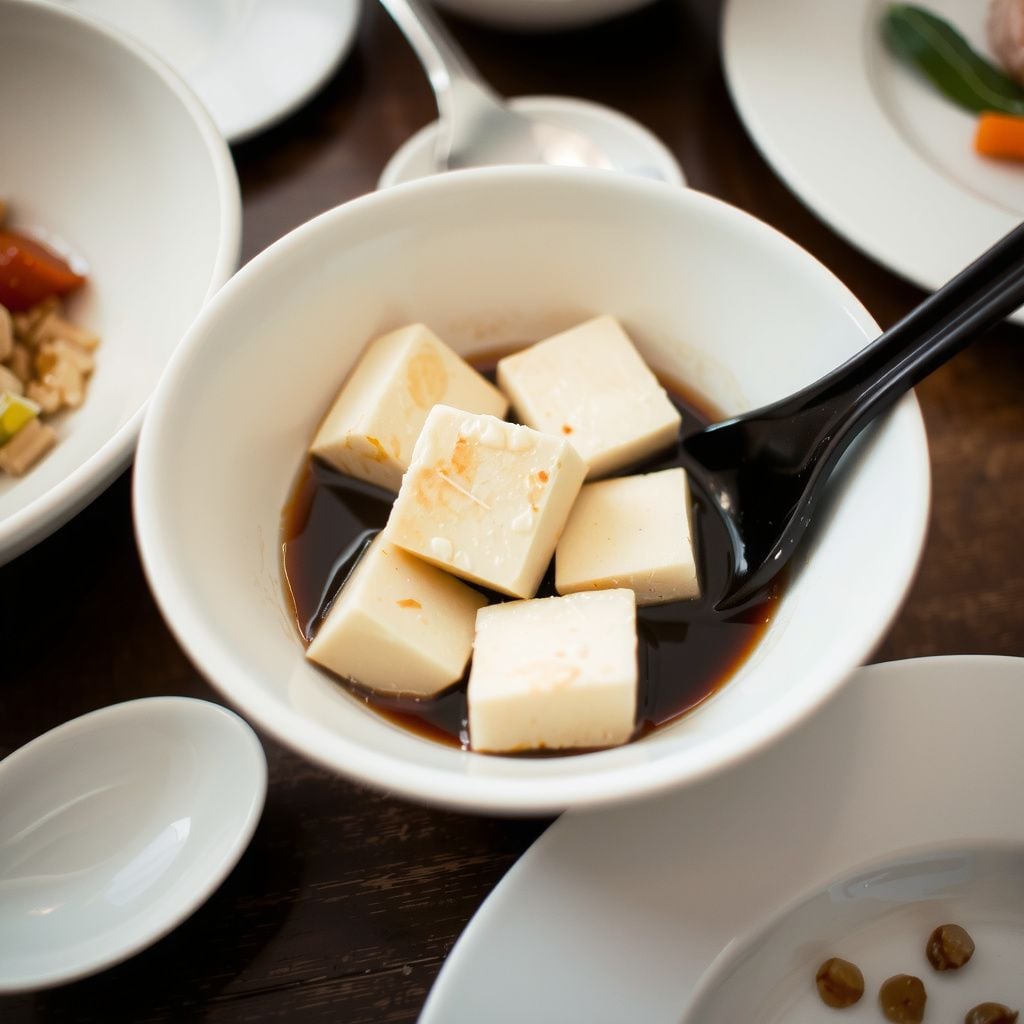
Korean Soy-Braised Tofu Bowl (Dubu Jorim Set)
35min
4
View Full Recipe →
Ready to simplify your meal planning?
Let OttoChef AI create personalized meal plans for your family — free to use, no credit card.