
Master French Restaurant Techniques at Home: Elegant Dinners Made Easy
Learn professional French cooking techniques to create restaurant-quality meals at home. From Dijon-glazed chicken to velvety scrambled eggs, master the art of French-inspired elegance.
Daniel Park
Culinary Contributor
February 13, 2026
6 min read
5 views
There's something undeniably magical about French cuisine. The way a simple pan sauce transforms ordinary chicken into something extraordinary. The velvety texture of perfectly scrambled eggs that seem to melt on your tongue. These aren't just meals—they're experiences that turn your dining room into a bistro.
The good news? You don't need culinary school to master these techniques. With a few professional tricks and quality ingredients, you can bring French-inspired elegance to your weeknight table. Today, we're diving into two recipes that showcase the heart of French cooking: patience, technique, and respect for ingredients.
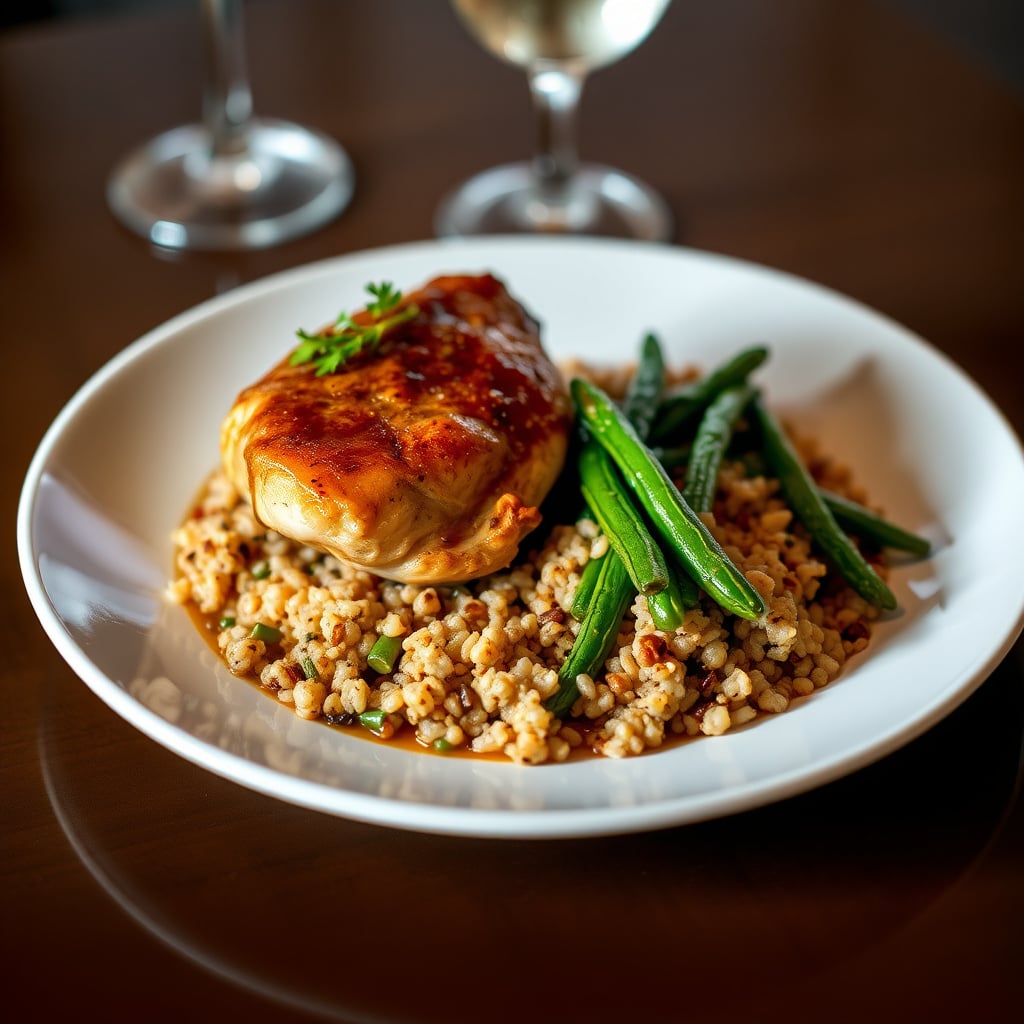
Dijon-Glazed Poulet with Chardonnay Reduction, Herb-Toasted Almond Quinoa, and Shallot-Sautéed Haricots Verts
70min
4
View Full Recipe →
The Art of the Pan Sauce
French cooking is built on foundations, and few are more important than the pan sauce. When you sear meat properly, those browned bits stuck to the bottom of your pan (called fond) are pure flavor gold. Deglazing with wine—in this case, Chardonnay—lifts those caramelized proteins and creates a sauce that's infinitely more complex than anything from a bottle.
The Deglazing Secret
After removing your chicken from the pan, add your wine while the pan is still hot. Use a wooden spoon to scrape up all those browned bits. Don't rush this step—let the wine reduce by half before adding other liquids. This concentrates the flavors and cooks off the raw alcohol taste.
The Dijon-glazed chicken dish exemplifies this perfectly. Bone-in, skin-on thighs provide superior flavor and stay juicy during cooking, while the Dijon mustard adds that quintessentially French tang. But it's the Chardonnay reduction that elevates this from good to memorable.
Bone-in Chicken Thighs
These are the secret weapon of home cooks. More forgiving than chicken breasts, they stay moist during cooking and develop incredible flavor. The bone conducts heat while the skin crisps beautifully, creating restaurant-quality results.
Quinoa: The French Bistro's New Best Friend
While not traditionally French, quinoa has found its way onto modern bistro menus for good reason. Its nutty flavor and fluffy texture make it an elegant alternative to rice, and it cooks in a fraction of the time.
Rinse Thoroughly
Place quinoa in a fine-mesh strainer and rinse under cold water for 30 seconds. This removes the bitter saponin coating that can make quinoa taste soapy.
Toast for Depth
After draining, toast the quinoa in your pot for 2-3 minutes before adding liquid. This deepens the nutty flavor and helps each grain cook up distinct and fluffy.
Rest Before Fluffing
Once cooked, remove from heat and let sit covered for 5 minutes. This allows the grains to firm up and makes them easier to fluff without becoming mushy.
The herb-toasted almond addition transforms quinoa from health food to haute cuisine. Toasted almonds add crunch and richness, while fresh herbs brighten the entire dish.
Tri-Color Quinoa
The mix of white, red, and black quinoa isn't just pretty—each color has a slightly different texture. White is the fluffiest, red holds its shape best, and black adds a subtle earthy note. Together, they create visual interest and textural complexity.
The Haricots Verts Difference
Let's talk about those green beans—or rather, haricots verts. These slender French green beans are sweeter, more tender, and more elegant than their American counterparts. When sautéed with shallots (another French staple), they become a side dish worthy of the finest bistro.
Blanch Before Sautéing
For the best texture and color, blanch your haricots verts in boiling salted water for 2-3 minutes, then shock in ice water. This sets their vibrant green color and pre-cooks them slightly, so they only need a quick sauté to finish. This is a classic French technique called "blanching and refreshing."
"The beauty of French cooking isn't complexity—it's about treating each ingredient with respect and using technique to coax out its best qualities."
Jacques Pépin, legendary French chefBeyond Dinner: French Technique for Breakfast
French culinary mastery isn't limited to dinner. The same principles of patience and technique apply to breakfast, particularly when it comes to eggs.
Featured Recipe
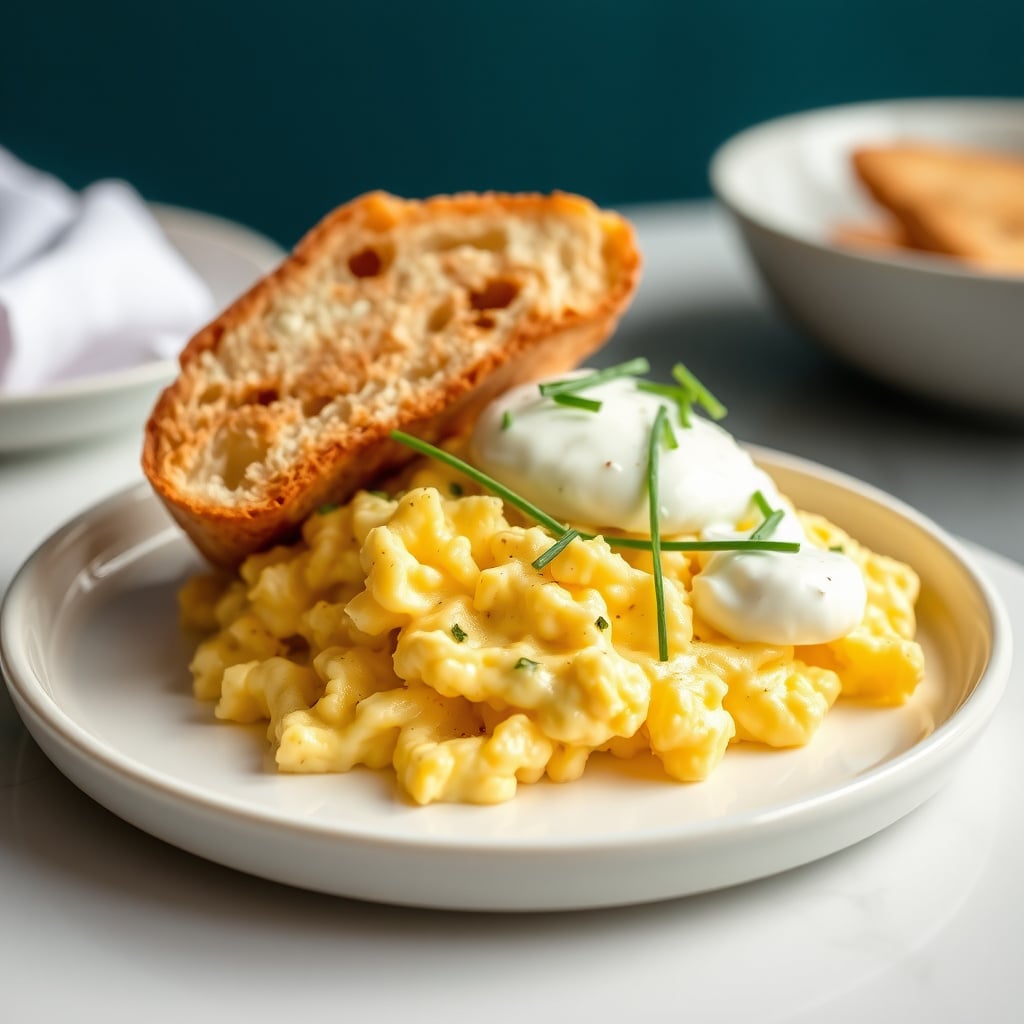
Soft-Scrambled Eggs with Chive-Infused Crème Fraîche and Toasted Sourdough
30 min
4
Soft-scrambled eggs are a revelation if you've only ever known the rubbery American diner version. The French method involves low heat, constant stirring, and the patience to let the eggs develop slowly into creamy, custard-like curds.
Crème Fraîche
This cultured cream is tangier than sour cream and richer than yogurt. It adds a luxurious silkiness to scrambled eggs without making them watery. If you can't find it, you can substitute equal parts sour cream and heavy cream, but true crème fraîche is worth seeking out.
The technique here mirrors what makes the chicken dish special: respect for timing and temperature. Just as you don't rush a pan sauce, you don't rush scrambled eggs. The result is something that belongs on a silver-service brunch table.
Temperature Control is Everything
If your eggs are cooking too fast and forming large, dry curds, immediately remove the pan from heat. Continue stirring off the heat, and the residual warmth will continue cooking them gently. Return to low heat only when they've slowed down. Remember: you can always cook eggs more, but you can't uncook them.
Bringing It All Together
What makes these recipes truly French isn't exotic ingredients or complicated techniques—it's the approach. French cooking respects the ingredient, masters the technique, and never rushes the process.
When you make the Dijon-glazed chicken, you're not just following a recipe. You're learning how to build flavor through proper searing, how to create a pan sauce that tastes like it took hours, and how to balance richness with acidity. These are skills you'll use again and again.
Mise en Place
Before you start cooking, gather and prep all your ingredients. This French term means "everything in its place," and it's how professional kitchens operate. When you're making a pan sauce or scrambling eggs, you don't have time to hunt for ingredients—everything needs to be ready to go.
The beauty of these dishes is that they look and taste impressive while being entirely achievable on a weeknight. The chicken dinner comes together in just over an hour, with most of that being hands-off cooking time. The scrambled eggs? Thirty minutes from start to finish, perfect for a weekend brunch or a "breakfast for dinner" night.
Your French Kitchen Adventure Starts Now
You don't need a culinary degree or a trip to Paris to cook like a French chef. You just need quality ingredients, a few professional techniques, and the patience to let flavors develop properly.
Start with the Dijon-glazed chicken for your next dinner party—your guests will be convinced you've been hiding your culinary school diploma. Then treat yourself to those soft-scrambled eggs on a lazy Sunday morning. Both recipes will teach you techniques you'll use for years to come.
The French have a saying: "On ne fait pas d'omelette sans casser des œufs"—you can't make an omelet without breaking eggs. It means you have to take action to see results. So grab your whisk, heat up your pan, and discover just how elegant home cooking can be.
Ready to bring French bistro elegance to your table? Try these recipes this week and share your results with the OttoChef community. Bon appétit!
Ready to simplify your meal planning?
Let OttoChef AI create personalized meal plans for your family in seconds.