
Marinades & Brines: The Prep-Ahead Secret to Restaurant-Quality Flavor
Master the science of marinades and brines to transform ordinary proteins into flavor-packed meals. Learn what works, what doesn't, and how to prep ahead like a pro.
Sofia Rossi
Kitchen Editor
January 24, 2026
9 min read
6 views
You've been there: it's Tuesday evening, you pull out chicken breasts for dinner, and they taste... fine. Not terrible, but not exciting either. Meanwhile, that chicken thigh you marinated over the weekend? It was bursting with flavor, tender, and had everyone asking for seconds.
The difference isn't magic—it's preparation. Marinades and brines are the meal-prepper's secret weapon, transforming ordinary proteins into extraordinary meals with just a little advance planning. Better yet, they do most of the work while you sleep, commute, or binge-watch your favorite show.
Let's dive into the science and strategy behind these flavor-boosting techniques so you can elevate your weekly meal prep game.
Understanding the Difference: Marinade vs. Brine
Before we get into techniques, let's clear up the confusion. While both involve soaking food in liquid, marinades and brines serve different purposes.
Marinades are acidic or enzymatic solutions designed to add flavor and tenderize the surface of proteins. They typically contain three components: acid (vinegar, citrus, wine), oil (for moisture and flavor carrier), and aromatics (herbs, spices, garlic). Think of marinades as flavor amplifiers that work from the outside in.
Brines are saltwater solutions that use osmosis to actually change the protein's structure, helping it retain moisture during cooking. They're your insurance policy against dry, overcooked meat. While brines can include aromatics for subtle flavoring, their primary job is moisture retention.
The Science Behind It
When proteins sit in a brine, salt dissolves some of the muscle proteins, which then form a gel that traps water molecules. During cooking, this gel prevents moisture from escaping, resulting in juicier meat. It's not just seasoning—it's restructuring.
The Marinade Masterclass
Marinades are where creativity meets chemistry. Here's what you need to know to build your own or troubleshoot existing recipes.
The Three Pillars of Great Marinades
Acid or Enzyme
Choose your tenderizer: citrus juice, vinegar, yogurt, wine, or enzyme-rich ingredients like pineapple, papaya, or ginger. This component begins breaking down surface proteins, creating tenderness and allowing flavors to penetrate.
Fat
Add oil, coconut milk, or another fat source. Fat carries fat-soluble flavor compounds and helps the marinade cling to your protein. It also prevents surface moisture loss during cooking.
Aromatics & Seasonings
This is where personality comes in—garlic, herbs, spices, soy sauce, fish sauce, honey, mustard. Build complexity by layering flavors from different categories: something sweet, something savory, something aromatic.
Timing Matters More Than You Think
Here's where many home cooks go wrong: they either under-marinate (no flavor development) or over-marinate (mushy texture). The right timing depends on what you're marinating.
Fish and Seafood: 15-30 minutes maximum. The delicate proteins break down quickly, and over-marinating creates an unpleasant, mushy texture. For ceviche-style preparations where acid "cooks" the fish, 30 minutes to 2 hours is typical.
Chicken Breasts and Pork Chops: 2-12 hours. These lean cuts benefit from extended marinating but don't need overnight. The sweet spot is 4-6 hours for balanced flavor penetration.
Chicken Thighs, Pork Shoulder, Beef: 4-24 hours. Tougher, fattier cuts can handle longer marinating times. These proteins have more connective tissue that benefits from the tenderizing action.
Tough Beef Cuts (Flank, Skirt Steak): 6-24 hours. These benefit from extended marinating, but be cautious with highly acidic marinades beyond 12 hours.
The Over-Marinating Trap
More time doesn't equal more flavor. Acidic marinades can only penetrate about 1/8 inch into meat, so marinating for days won't make it more flavorful—just mushier. If you want deeper flavor, try using a brine or dry rub instead.
"Marinades season the surface; brines season throughout. Choose your technique based on the result you want."
Chef's wisdomThe Brine Breakthrough
If marinades are about flavor, brines are about texture insurance. A properly brined protein can withstand higher cooking temperatures and still emerge juicy.
Building Your Basic Brine
The foundational ratio is simple: 1/4 cup (4 tablespoons) of salt per quart of water. This creates a 6% brine solution, which is ideal for most applications.
From there, you can customize:
Sweet Brine: Add 1/4 cup sugar, brown sugar, or honey. The sugar aids in browning and adds subtle sweetness. Perfect for pork chops and chicken.
Aromatic Brine: Include peppercorns, bay leaves, garlic cloves, fresh herbs, citrus zest, or spices. These add subtle background flavors that complement rather than overpower.
Buttermilk Brine: Substitute buttermilk for half the water. The lactic acid tenderizes while the fat adds richness. A Southern secret for fried chicken.
Brining Times by Protein
Unlike marinades, brines need sufficient time to work their magic through osmosis.
Shrimp: 30 minutes to 1 hour (quick brine at 1/2 cup salt per quart) Chicken Breasts: 1-2 hours Whole Chicken: 4-12 hours Pork Chops: 2-4 hours Pork Loin or Tenderloin: 4-12 hours Turkey: 12-24 hours
The Ice Water Trick
Always brine in the refrigerator, but if space is tight, use a cooler with ice packs. The brine must stay below 40°F to prevent bacterial growth. Change ice packs every 4-6 hours for longer brines.
Meal Prep Strategy: Your Weekly Flavor Plan
Now let's make this practical. Here's how to incorporate marinades and brines into your meal prep routine.
Sunday Prep Session
Morning: Prepare your brine for chicken breasts or pork chops you'll cook Tuesday and Wednesday. Submerge proteins in brine, refrigerate.
Afternoon: Mix up two different marinades in zip-top bags or containers. Add proteins you'll cook Thursday through Saturday. Label with cooking day and any special instructions.
Evening: Remove brined proteins, rinse thoroughly, pat dry, and refrigerate uncovered on a plate. This drying time improves browning when you cook them.
The Container System
Invest in good-quality zip-top bags or glass containers with tight-fitting lids. Bags are ideal because they allow you to press out air, ensuring maximum contact between liquid and protein. They're also space-efficient in a crowded fridge.
Label everything with:
- Contents
- Date started
- Date to cook by
- Cooking method (if specific)
The Freezer Extension
You can marinate proteins in zip-top bags and freeze them immediately. As they thaw in the refrigerator, they marinate simultaneously. This works beautifully for meal prep 2-3 weeks out. Just ensure you use freezer-safe bags and remove as much air as possible.
Global Inspiration: Marinades from Around the World
Every cuisine has developed its own marinade traditions, each offering unique flavor profiles you can adapt.
Korean Bulgogi-Style: Soy sauce, sesame oil, ginger, garlic, Asian pear or brown sugar, and gochugaru (Korean chili flakes). The pear's enzymes tenderize while adding subtle sweetness.
Mediterranean: Olive oil, lemon juice, garlic, oregano, and thyme. Simple but transformative, especially for chicken and lamb.
Caribbean Jerk: Scotch bonnet peppers, allspice, thyme, scallions, garlic, and lime juice. Complex layers of heat and aromatics.
Indian Tandoori: Yogurt, ginger, garlic, garam masala, turmeric, and lemon juice. The yogurt's lactic acid tenderizes while spices build flavor.
Japanese Teriyaki: Soy sauce, mirin, sake, and sugar. More of a glazing marinade that caramelizes beautifully during cooking.
Latin American Mojo: Sour orange juice (or lime and orange), garlic, cumin, and oregano. The citrus provides both acid and aromatic oils.
Yogurt's Secret Power
Yogurt-based marinades are incredibly effective because they combine acid (lactic acid), fat, and protein in one ingredient. They create exceptionally tender results without the harsh, "pickled" flavor that can come from vinegar-heavy marinades. This is why they're central to so many Middle Eastern and South Asian preparations.
Common Mistakes and How to Avoid Them
Mistake #1: Reusing Marinade as Sauce Raw marinade contains bacteria from the meat. If you want to use it as a sauce, either reserve some before adding the meat, or boil the used marinade for at least 5 minutes to kill bacteria.
Mistake #2: Not Drying Before Cooking Whether you've marinated or brined, pat proteins completely dry before cooking. Surface moisture prevents proper browning and creates steam instead of sear.
Mistake #3: Over-Salting Brined Meats Brined proteins are already seasoned throughout. Don't add additional salt until after cooking, and then only if needed. This is especially important when grilling or roasting.
Mistake #4: Using Reactive Containers Acidic marinades can react with aluminum containers, creating off-flavors. Stick to glass, stainless steel, or food-grade plastic.
The Aluminum Foil Error
Never wrap marinating meat in aluminum foil. The acid will react with the aluminum, potentially creating metallic flavors and discoloring your marinade. Use plastic wrap or containers instead.
The Dry Brine Alternative
Short on space? Try dry brining—simply salt your proteins and refrigerate them uncovered. The salt draws out moisture, which then dissolves the salt and gets reabsorbed, seasoning the meat throughout. Use 1/2 teaspoon of kosher salt per pound of meat, and refrigerate for at least 1 hour (up to 24 hours for larger cuts).
Dry brining is particularly excellent for poultry you plan to roast with crispy skin, as the uncovered refrigeration dries the skin, promoting better browning.
Putting It All Together
Mastering marinades and brines isn't about following recipes religiously—it's about understanding the principles so you can improvise and adapt. Start with the ratios and timing guidelines here, then experiment with different flavor combinations that excite you.
The beauty of these techniques is that they're inherently meal-prep friendly. A few minutes on Sunday yields weeknight dinners that taste like you've been cooking all day. Your proteins will be more flavorful, more tender, and more forgiving when life gets hectic and dinner runs late.
Next time you're planning your weekly meals, think beyond the cooking method. Ask yourself: what can I prep ahead that will make Tuesday's chicken extraordinary? That's the question that separates good meal prep from great meal prep.
Now go forth and marinate with confidence. Your future self (and your dinner guests) will thank you.
Try This Recipe
Now that you've learned about marinades and brines: prep-ahead flavor boosters, put your knowledge into practice with this recipe:
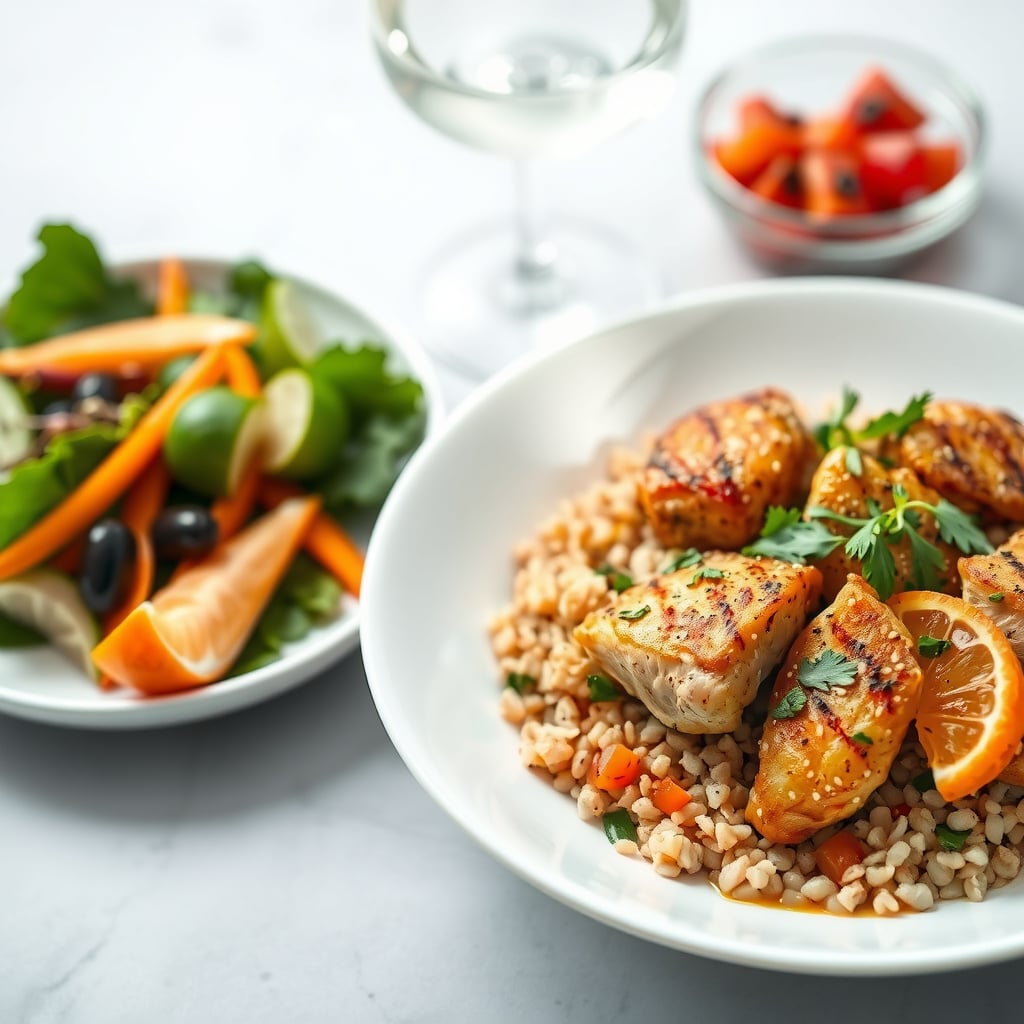
Citrus-Herb Marinated Chicken Grain Bowl with Quick-Pickled Vegetables
40min
4
View Full Recipe →
Ready to simplify your meal planning?
Let OttoChef AI create personalized meal plans for your family in seconds.