
Malaysian Laksa and Curry Fundamentals: Building Bold, Balanced Flavors
Master the aromatic foundations of Malaysian laksa and curry with these essential techniques for creating complex, balanced Southeast Asian flavors at home.
Lily Nakamura
Recipe Editor
January 27, 2026
8 min read
7 views
If you've ever tasted authentic Malaysian laksa or curry and wondered how such complex, layered flavors come together in one bowl, you're not alone. These dishes represent some of Southeast Asia's most sophisticated flavor-building techniques—and they're more accessible to home cooks than you might think.
The secret isn't exotic ingredients you can't pronounce (though there are a few). It's understanding the fundamental building blocks that create that distinctive balance of spicy, sour, sweet, and savory that defines Malaysian cuisine. Once you grasp these principles, you'll be able to create authentic-tasting laksas and curries that rival your favorite Malaysian restaurant.
Understanding the Foundations: Rempah
At the heart of Malaysian laksa and curry lies rempah—a fragrant spice paste that forms the aromatic foundation of countless dishes. Unlike Indian curry pastes that often emphasize dried spices, or Thai curry pastes that lean heavily on chilies, Malaysian rempah achieves a unique balance between fresh aromatics, dried spices, and umami-rich ingredients.
What Makes Rempah Special
Rempah typically combines fresh ingredients (shallots, garlic, ginger, lemongrass, galangal) with dried spices (coriander, cumin, turmeric) and flavor enhancers (shrimp paste, candlenuts). The ratio and specific ingredients vary by region and dish, but the technique remains consistent.
The process of making rempah teaches you the most important lesson in Malaysian cooking: patience. You're not just mixing ingredients—you're coaxing out oils, developing depth, and creating a flavor base that will carry your entire dish.
Prepare Your Aromatics
Peel and roughly chop shallots, garlic, ginger, and galangal. Slice lemongrass thinly (white parts only). Remove seeds from dried chilies after soaking them in hot water for 10 minutes.
Create Your Paste
Blend or pound all ingredients into a fine paste. Traditional stone mortars create the best texture, but a food processor works well—just add a tablespoon of oil to help the blades catch. Process until no large chunks remain.
Cook the Rempah
This is where magic happens. Heat oil in a wok or wide pan over medium heat. Add your paste and cook, stirring constantly, for 8-15 minutes. You'll notice it changing color, darkening slightly, and the raw smell transforming into something deeply aromatic.
The Sound Test
Your rempah is properly cooked when it stops hissing and starts making a gentle sizzling sound. The oil will begin to separate from the paste, creating a glossy sheen on the surface. This is called 'pecah minyak' (oil splitting) and signals that your paste is ready for the next stage.
Laksa Fundamentals: The Art of the Broth
Malaysian laksa comes in many regional variations—Penang's sour asam laksa, Johor's rich laksa johor, Sarawak's aromatic laksa Sarawak—but they all share common principles about building a complex broth.
The foundation starts with your cooked rempah, but laksa's distinctive character comes from the layering of different liquid components. You're not just making soup; you're orchestrating a symphony of flavors.
For Curry Laksa (Laksa Lemak): The creamy, coconut-based version popular in Kuala Lumpur and Singapore builds on a rempah enriched with curry powder. After cooking your paste, you'll add chicken or seafood stock, then coconut milk. The key is adding these in stages—stock first to develop savory depth, coconut milk later to preserve its fresh, creamy character.
Coconut Milk Caution
Never boil coconut milk aggressively or for extended periods. High heat causes it to separate and become grainy. Add it after your broth is fully developed, bring to a gentle simmer, and maintain medium-low heat. If it does split, a quick blend with an immersion blender can bring it back together.
For Asam Laksa: This sour, fish-based version from Penang takes a completely different approach. Instead of coconut milk, you're building a tart, complex broth using tamarind, torch ginger flower, and mackerel. The fish is poached until it flakes apart, creating body in the broth while the tamarind provides that characteristic tang.
"Malaysian cooking is about balance—not just in a single bite, but across an entire meal. Sweet, sour, spicy, and savory should dance together, not compete."
Chef Wan, Malaysian culinary ambassadorCurry Fundamentals: Layers of Complexity
Malaysian curries differ from their Indian and Thai cousins in their approach to balance. While Indian curries might emphasize warming spices and Thai curries lean into heat and herbaceousness, Malaysian curries seek harmony between all elements.
The Protein Matters: Unlike some curry traditions where the sauce is paramount, Malaysian curries are designed around their main ingredient. Chicken curries use lighter coconut milk and brighter spices. Beef rendang builds darker, richer flavors over hours of cooking. Fish curries stay lighter and finish quickly to preserve delicate textures.
Protein Preparation
For chicken and meat curries, briefly marinating your protein in turmeric and salt (15-30 minutes) helps it absorb flavors better and creates a subtle color throughout. For seafood, skip the marinade and add it at the very end to prevent overcooking.
Spice Toasting: Before making your rempah, consider dry-toasting whole spices like coriander seeds, cumin, and fennel in a pan until fragrant. This extra step develops deeper, more complex flavors. Grind them fresh if possible—pre-ground spices lose aromatic oils quickly.
The Coconut Milk Technique: Most Malaysian curries use two types of coconut milk—thin (first extraction mixed with more water) and thick (first pressing). Add thin coconut milk or stock first to develop the curry, then finish with thick coconut milk for richness. If you're using canned coconut milk, you can approximate this by adding half the can early and the thick cream from the top at the end.
Essential Ingredients and Smart Substitutions
Authenticity is wonderful, but accessibility matters too. Here's how to navigate Malaysian ingredients:
Belacan (Shrimp Paste): This fermented shrimp paste provides essential umami depth. Toast it briefly in a dry pan before use to mellow the intensity. If unavailable, fish sauce can provide similar savory depth, though the flavor profile differs.
Candlenuts (Buah Keras): These nuts add body and subtle richness to rempah. Macadamia nuts or cashews make excellent substitutes—use them in the same quantity.
Galangal vs. Ginger: While both are rhizomes, galangal has a sharper, more medicinal quality that's distinctive in Malaysian cooking. Fresh ginger can substitute in a pinch, but expect a different flavor. Frozen galangal retains more character than dried.
Sourcing Ingredients
Most Asian grocery stores stock these essentials. Online retailers like ImportFood and Amazon also carry Malaysian ingredients. Buy curry powder from Asian markets rather than generic supermarket versions—the spice blends are more authentic and aromatic.
Tamarind: Essential for asam laksa and many curries. Buy tamarind pulp (seedless paste) rather than concentrate when possible. Soak it in hot water, then press through a strainer. In emergencies, lime juice provides sourness but lacks tamarind's complex fruity notes.
Balancing Your Flavors
The final and most important skill in Malaysian laksa and curry making is tasting and adjusting. These dishes should never be one-dimensional.
Too Spicy? Add more coconut milk or a small amount of sugar to round out the heat. Don't just add water—it dilutes all flavors, not just the spice.
Too Rich? A squeeze of lime juice or splash of tamarind water cuts through coconut heaviness beautifully. This is why lime wedges always accompany these dishes.
Lacking Depth? A small amount of palm sugar (or brown sugar) enhances all other flavors without making the dish noticeably sweet. A bit more salt or a dash of fish sauce boosts savory notes.
Too Thin? Simmer longer to reduce and concentrate flavors. Alternatively, blend a portion of the curry and return it to the pot for more body.
The Day-After Effect
Like many braises and stews, Malaysian curries often taste even better the next day as flavors meld and marry. Make your curry base ahead of time, then reheat gently and add fresh herbs and coconut milk before serving for the best of both worlds.
Building Your Malaysian Pantry
Start with these essentials, and you'll be equipped to explore the full range of Malaysian laksa and curry dishes:
- Fresh aromatics: Shallots, garlic, ginger, galangal, lemongrass
- Dried spices: Coriander, cumin, turmeric, fennel, star anise
- Flavor bases: Belacan (shrimp paste), tamarind pulp, candlenuts
- Liquids: Coconut milk, quality fish sauce
- Dried chilies: Both mild and hot varieties for color and heat
- Malaysian curry powder: Look for brands from Malaysia or Singapore
Your Journey Begins
Mastering Malaysian laksa and curry fundamentals opens doors to one of the world's most exciting culinary traditions. These aren't dishes you'll perfect on the first try—and that's exactly the point. Each time you cook, you'll develop better instincts for balancing flavors, coaxing out aromas, and understanding how ingredients work together.
Start with a simple curry laksa or chicken curry. Focus on properly cooking your rempah and building flavors in layers. Taste as you go, adjust thoughtfully, and pay attention to how each addition changes the dish. Before long, you'll find yourself cooking these complex, aromatic dishes with the same confidence you bring to any other meal.
The beauty of Malaysian cooking is that it rewards both precision and intuition. Follow the fundamentals, but don't be afraid to adjust to your taste. After all, every Malaysian cook has their own way of making laksa and curry—now you're developing yours.
Try This Recipe
Now that you've learned about malaysian laksa and curry fundamentals, put your knowledge into practice with this recipe:
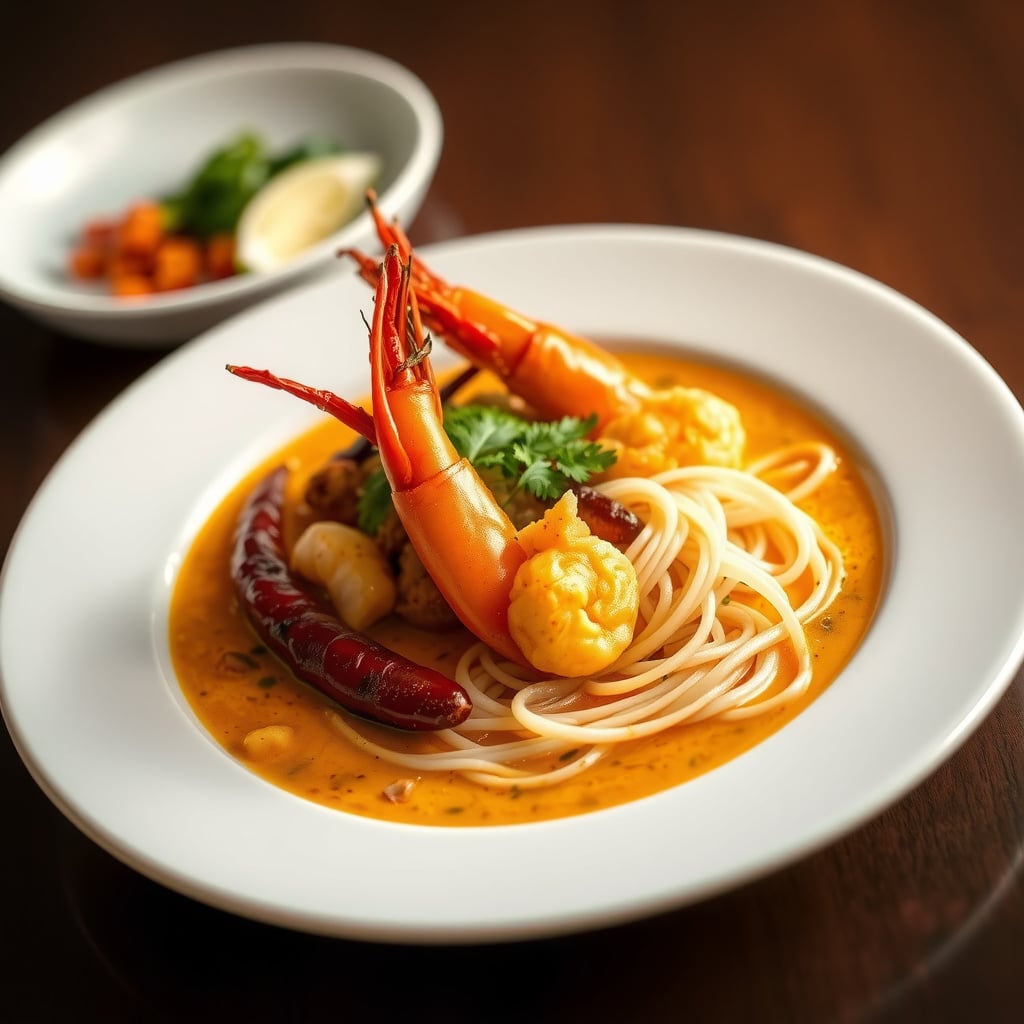
Curry Laksa with Prawns and Rice Noodles
75min
4
View Full Recipe →
Ready to simplify your meal planning?
Let OttoChef AI create personalized meal plans for your family in seconds.