
Legumes: The Nutritional Powerhouse Hiding in Your Pantry
Discover why legumes are nutrition champions and how to cook them perfectly. Learn preparation techniques, digestibility tips, and ways to incorporate these protein-rich staples.
Emma Chen
Recipe Developer
April 5, 2026
8 min read
7 views
Open your pantry and take a look at those bags of dried beans, lentils, and chickpeas you've been meaning to cook. These humble legumes represent one of the most nutrient-dense, affordable, and versatile food groups available to home cooks. Yet many people skip past them, intimidated by soaking times or worried about digestive issues. Understanding how to properly prepare and cook legumes transforms them from dusty pantry dwellers into everyday staples that boost both nutrition and flavor.
The Nutritional Profile That Makes Legumes Stand Out
Legumes pack a nutritional punch that few other plant foods can match. A single cup of cooked lentils delivers approximately 18 grams of protein, 16 grams of fiber, and significant amounts of iron, folate, and potassium—all for about 230 calories. This combination of high protein and high fiber creates a satiating effect that helps regulate blood sugar and supports digestive health.
Complete vs. Incomplete Proteins
While legumes are protein-rich, they're typically lower in methionine (an essential amino acid). Pairing legumes with grains—like rice and beans, or hummus with pita—creates a complete protein profile with all nine essential amino acids. However, you don't need to eat these combinations in the same meal; consuming varied protein sources throughout the day provides adequate amino acids.
The fiber content in legumes serves multiple functions. Soluble fiber helps lower cholesterol levels and stabilizes blood glucose, while insoluble fiber promotes digestive regularity. This fiber also acts as a prebiotic, feeding beneficial gut bacteria and supporting overall gut health. The resistant starch found in legumes—particularly when they're cooked and cooled—provides additional benefits by functioning similarly to fiber and potentially improving insulin sensitivity.
Beyond macronutrients, legumes contain impressive micronutrient profiles. They're rich in B vitamins, particularly folate, which is essential for DNA synthesis and cell division. Iron content varies by type, with lentils and kidney beans offering substantial amounts, though the non-heme iron in legumes is less readily absorbed than the heme iron in meat. Pairing legumes with vitamin C-rich foods like tomatoes, peppers, or citrus significantly enhances iron absorption.
Maximizing Iron Absorption
Cook your dal or bean soup with tomatoes, or squeeze fresh lemon juice over your finished dish. The vitamin C dramatically increases how much iron your body can absorb from the legumes. Avoid drinking tea or coffee with legume-rich meals, as the tannins inhibit iron absorption.
Understanding Antinutrients and How to Reduce Them
Legumes contain compounds called antinutrients—phytic acid, lectins, and tannins—that can interfere with mineral absorption and cause digestive discomfort. Before you dismiss legumes based on this information, understand that proper preparation techniques significantly reduce these compounds while maintaining nutritional benefits.
Phytic acid binds to minerals like iron, zinc, and calcium, reducing their bioavailability. Soaking legumes in water for 8-12 hours initiates germination processes that activate phytase enzymes, which break down phytic acid. Discarding the soaking water removes some of these compounds along with oligosaccharides (complex sugars that contribute to gas production).
Lectins, proteins that can cause digestive distress when consumed in large amounts, are effectively neutralized through cooking. Boiling beans for just 10 minutes at 212°F (100°C) destroys most lectins. This is why eating raw or undercooked beans can cause severe gastrointestinal issues, while properly cooked beans are perfectly safe and nutritious.
Never Use Slow Cookers for Dried Beans
Slow cookers often don't reach high enough temperatures to fully deactivate lectins, particularly in kidney beans which contain especially high levels. Always boil dried beans vigorously for at least 10 minutes before transferring to a slow cooker, or use pre-cooked canned beans instead.
Proper Preparation Techniques for Optimal Nutrition
The way you prepare legumes affects both their nutritional value and digestibility. Start with sorting: spread dried legumes on a light-colored surface and remove any small stones, debris, or shriveled beans. This simple step prevents unwanted surprises and ensures even cooking.
For most beans, the traditional soaking method involves covering them with water (using a 3:1 water-to-bean ratio) and letting them sit at room temperature for 8-12 hours. This rehydrates the beans, reduces cooking time by up to 25%, and helps remove oligosaccharides. Change the water at least once if soaking longer than 8 hours to prevent fermentation.
The quick-soak method works when time is limited: bring beans and water to a boil, remove from heat, cover, and let stand for 1 hour. While faster, this method may not reduce antinutrients as effectively as traditional soaking.
Sort and Rinse
Spread legumes on a clean surface, remove debris, then rinse thoroughly in cold water using a fine-mesh strainer.
Soak Properly
Cover with triple the volume of water and soak 8-12 hours at room temperature. Lentils and split peas can skip this step.
Discard and Rinse
Drain soaking water completely and rinse beans again. Never cook beans in their soaking water.
Cook Thoroughly
Cover with fresh water, bring to a vigorous boil for 10 minutes, then reduce heat and simmer until tender. Cooking times vary from 20 minutes for lentils to 2 hours for large beans.
Salt timing matters more than traditional wisdom suggests. While old advice warned against salting beans until fully cooked, recent research shows that adding salt at the beginning actually helps beans maintain their structure and cook more evenly. The key is using the right amount—about 1-2 teaspoons per pound of dried beans.
"Soaking and cooking techniques don't just make legumes more digestible—they can increase the bioavailability of certain nutrients by up to 20%."
Food Science ResearchBuilding Digestive Tolerance
Many people avoid legumes due to concerns about gas and bloating. This reaction occurs because humans lack the enzyme alpha-galactosidase needed to break down raffinose and stachyose, complex sugars abundant in legumes. When these sugars reach the large intestine undigested, gut bacteria ferment them, producing gas.
Building tolerance requires gradual introduction. Start with more easily digested options like red lentils or mung beans, which contain lower levels of oligosaccharides. Introduce small portions—a quarter cup of cooked legumes—and slowly increase over several weeks as your gut microbiome adapts.
Thorough cooking improves digestibility significantly. Undercooked beans are much harder to digest and more likely to cause discomfort. Test beans for doneness by pressing one between your fingers; it should mash easily without a chalky or firm center.
Certain cooking additions can enhance digestibility. Adding a strip of kombu (dried kelp) to the cooking water introduces enzymes that help break down complex sugars. Spices like cumin, fennel, ginger, and asafoetida, commonly used in traditional bean preparations worldwide, contain compounds that support digestion and reduce gas formation.
Sprouting for Enhanced Nutrition
Sprouting legumes for 2-3 days before cooking increases vitamin C content, enhances mineral bioavailability, and reduces antinutrients. Rinse mung beans or lentils twice daily in a jar covered with cheesecloth until small sprouts appear, then cook as usual. Sprouted legumes cook faster and are gentler on digestion.
Choosing Between Dried and Canned Legumes
Both dried and canned legumes offer nutritional benefits, though with different trade-offs. Dried legumes cost significantly less and allow complete control over sodium content and cooking texture. They also avoid potential BPA exposure from can linings, though many manufacturers now use BPA-free cans.
Canned legumes provide convenience and are nutritionally comparable to home-cooked beans. The canning process actually makes some nutrients more bioavailable. However, canned beans typically contain added sodium—sometimes 300-400mg per half-cup serving. Rinsing canned beans under running water for 30 seconds removes about 40% of the sodium while sacrificing minimal nutrients.
From a sustainability perspective, dried legumes generate less packaging waste and have a smaller carbon footprint due to reduced transportation weight. They also store indefinitely in a cool, dry place, making them ideal for emergency food supplies.
Maximizing Nutritional Benefits in Daily Cooking
Incorporating legumes regularly doesn't require elaborate meal planning. Keep several varieties on hand to match different cooking speeds and flavor profiles. Red lentils cook in 15-20 minutes and break down into a creamy texture perfect for quick soups. Black beans and chickpeas hold their shape well for salads and grain bowls. White beans become silky when pureed, creating creamy bases for soups without dairy.
Cooking larger batches and freezing portions in 1.5-cup containers (equivalent to one can) provides homemade convenience. Cooked legumes freeze well for up to 6 months and thaw quickly under running water or overnight in the refrigerator.
Combining legumes with complementary foods enhances overall nutrition. The vitamin C in tomatoes, peppers, and leafy greens boosts iron absorption. Healthy fats from olive oil, avocado, or nuts improve absorption of fat-soluble vitamins. Aromatic vegetables like onions and garlic add beneficial compounds while building flavor depth.
The variety within the legume family offers different nutritional strengths. Soybeans provide complete protein and contain isoflavones with potential health benefits. Chickpeas offer more folate than most other legumes. Black beans contain high levels of anthocyanins, the same antioxidants found in blueberries. Rotating through different types ensures a broader spectrum of nutrients and prevents palate fatigue.
The Bottom Line on Legume Nutrition
Legumes deserve their reputation as nutritional powerhouses. They provide plant-based protein, abundant fiber, essential minerals, and beneficial phytochemicals at a fraction of the cost of animal proteins. The preparation techniques that reduce antinutrients and improve digestibility are simple and easily incorporated into regular cooking routines.
Start viewing those pantry staples not as intimidating projects but as versatile ingredients ready to boost the nutrition and substance of countless meals. With proper soaking, thorough cooking, and gradual incorporation, legumes can become regular contributors to a varied, nutrient-dense diet. The small investment of time in learning to prepare them properly pays dividends in both health and culinary satisfaction.
Try This Recipe
Now that you've learned about legumes: the nutritional powerhouse in your pantry, put your knowledge into practice with this recipe:
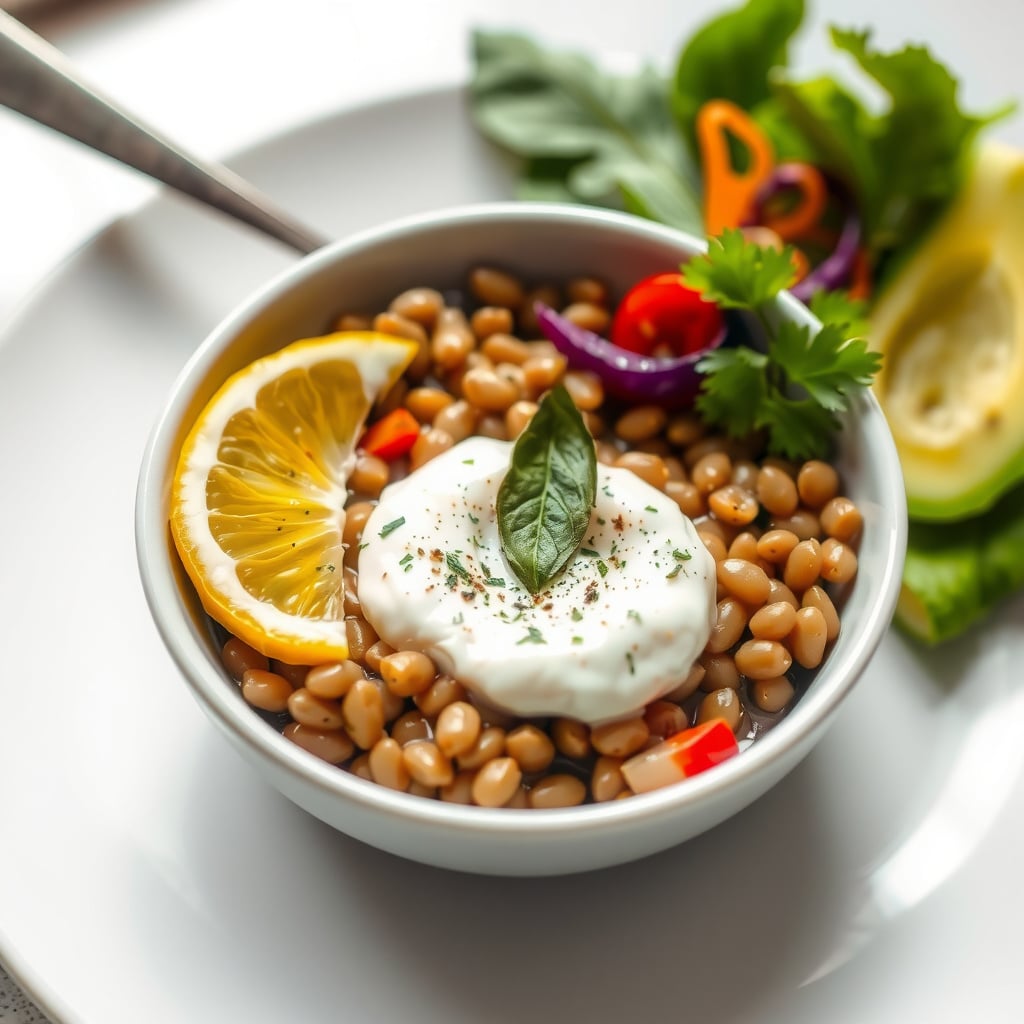
Mediterranean Lentil Bowl with Lemon-Herb Tahini
40min
4
View Full Recipe →
Ready to simplify your meal planning?
Let OttoChef AI create personalized meal plans for your family in seconds.