
Legumes: The Essential Guide to Cooking and Nutrition
Master the science and technique of cooking legumes. Learn why these pantry staples are nutritional powerhouses and how to prepare them for maximum flavor.
Sarah Mitchell
Test Kitchen Director
May 30, 2026
5 min read
1 view
Legumes often sit forgotten in the back of the pantry, yet they are among the most nutritionally complete foods available to home cooks. From the creamy texture of a well-cooked cannellini bean to the earthy bite of a French green lentil, these seeds of the Fabaceae plant family offer a unique combination of protein, complex carbohydrates, and essential minerals. Understanding how to handle them properly—from dry storage to the final simmer—is a fundamental skill that elevates your cooking and improves your daily nutrition.
At their core, legumes are nutritional heavyweights. They are one of the few foods that count as both a vegetable and a protein source in dietary guidelines. They are exceptionally high in fiber, which supports digestive health and provides a steady release of energy, preventing the blood sugar spikes associated with refined grains. For those following plant-based diets, legumes are a critical source of lysine, an essential amino acid often lacking in other plant foods.
The Anatomy of a Legume
A legume is the fruit or seed of a plant in the legume family, including beans, peas, lentils, and chickpeas. When these seeds are dried and harvested, they are specifically referred to as pulses.
Choosing between canned and dried legumes is the first decision a cook must make. While canned beans offer undeniable convenience, cooking from dry provides superior control over texture and flavor. Dried legumes are also significantly more cost-effective and allow you to infuse the beans with aromatics during the cooking process. However, the success of dried legumes depends entirely on your preparation technique.
"Legumes are a unique food group, providing the protein of meat and the fiber and nutrients of vegetables in a single package."
OttoChef Nutrition TeamThe most common hurdle for home cooks is the soaking process. Soaking serves two primary purposes: it reduces the cooking time and helps break down oligosaccharides—complex sugars that the human body struggles to digest. By soaking and then discarding the water, you make the legumes significantly easier on the digestive system.
Sort and Rinse
Spread your dried legumes on a light-colored surface or sheet pan. Look for small stones, debris, or shriveled beans that may have made it through the packaging process. Rinse them thoroughly in a colander under cold water.
The Long Soak
Place the legumes in a large bowl and cover with at least three inches of water. Let them sit for 8 to 12 hours. For an even better texture, add a tablespoon of salt to the soaking water; this helps soften the skins by replacing calcium and magnesium ions with sodium.
The Gentle Simmer
Drain the soaking water and rinse the beans again. Place them in a heavy-bottomed pot, cover with fresh water, and bring to a bare simmer. Avoid a rolling boil, as the agitation can break the skins and turn the beans into mush.
Flavoring your legumes is where culinary skill meets nutrition. While water is sufficient, using a flavorful liquid or adding aromatics will transform the final dish. Consider adding a halved onion, a few cloves of smashed garlic, a bay leaf, or woody herbs like rosemary and thyme to the cooking pot. These aromatics permeate the interior of the legume, creating a depth of flavor that canned varieties cannot match.
The Brine Secret
Contrary to old kitchen myths, salting your beans early in the process does not make them tough. In fact, salting the soaking water and the cooking water results in creamier interiors and skins that are less likely to burst.
One of the most frequent mistakes in legume cookery involves the timing of acidic ingredients. If you are making a dish that involves tomatoes, lemon juice, or vinegar, wait until the legumes are fully tender before adding them. Acid reacts with the hemicellulose in the cell walls of the legume, preventing them from softening. If added too early, your beans may remain hard regardless of how long you simmer them.
The Acid Trap
Never add acidic ingredients like tomatoes, wine, or citrus at the beginning of the cooking process. The acid strengthens the cell walls of the beans, which can prevent them from ever becoming tender.
Different legumes require different approaches. Lentils, for instance, are smaller and have thinner skins, meaning they do not require soaking and can cook in as little as 15 to 30 minutes. Red lentils break down completely, making them ideal for thickening soups, while Puy or Beluga lentils hold their shape, making them perfect for salads. Chickpeas and larger beans like kidney or chickpeas require a more patient approach but reward that patience with a satisfying, meaty texture.
Incorporating a wider variety of legumes into your rotation is a simple way to diversify your nutrient intake. Each variety offers a slightly different mineral profile; black beans are rich in anthocyanins (the same antioxidants found in blueberries), while chickpeas are an excellent source of manganese and folate. By mastering the simple techniques of sorting, soaking, and simmering, you turn a humble pantry staple into the foundation of a sophisticated, health-conscious kitchen. Experiment with different aromatics and textures, and you will find that the modest legume is one of the most versatile tools in your culinary arsenal.
Try This Recipe
Now that you've learned about legumes: the nutritional powerhouse in your pantry, put your knowledge into practice with this recipe:
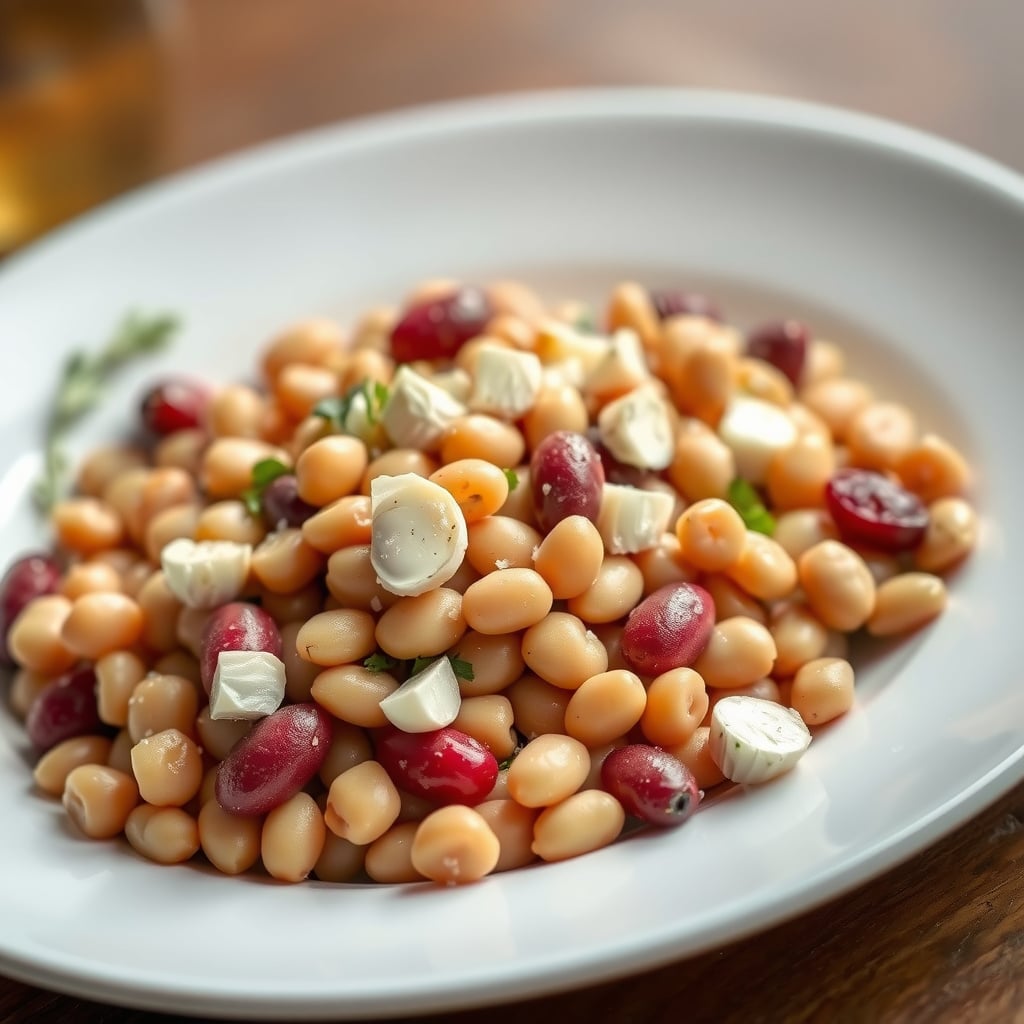
Warm Mediterranean Cannellini Bean Salad
90min
4
View Full Recipe →
Ready to simplify your meal planning?
Let OttoChef AI create personalized meal plans for your family in seconds.