
Leafy Greens: Maximizing Nutrition from Farm to Plate
Learn science-backed strategies to preserve nutrients in leafy greens from shopping to storage to cooking. Expert tips for getting the most from kale, spinach, and more.
James Okonkwo
Food Writer
April 1, 2026
7 min read
7 views
Every home cook has experienced the disappointment of wilted greens languishing in the crisper drawer, their vibrant color faded and nutritional value compromised. Understanding how to select, store, and prepare leafy greens properly isn't just about avoiding waste—it's about maximizing the impressive nutritional benefits these vegetables offer. The difference between nutrient-rich greens and depleted ones often comes down to simple choices you make at every stage, from the grocery store to your cutting board.
Understanding Nutrient Vulnerability
Leafy greens rank among the most nutrient-dense foods available, packed with vitamins A, C, K, folate, iron, calcium, and beneficial phytonutrients. However, these nutrients are surprisingly fragile. Water-soluble vitamins like vitamin C and folate begin degrading the moment leaves are harvested, while exposure to light, heat, and oxygen accelerates nutrient loss. Fat-soluble vitamins (A, K) prove more stable but still suffer from poor handling.
The clock starts ticking at harvest. Studies show spinach can lose up to 50% of its vitamin C within seven days of picking, even under refrigeration. This reality makes your purchasing and storage decisions crucial for nutrient retention.
The Nutrient Powerhouses
Dark leafy greens like kale contain more calcium per calorie than milk, more iron than beef, and provide over 100% of daily vitamin K needs in a single cup. Choosing and preparing them wisely ensures you actually absorb these benefits.
Smart Shopping Strategies
Your nutrition journey begins at the market. Fresh isn't always freshest—that "farm fresh" spinach may have traveled thousands of miles over several days. Look for crisp, vibrant leaves without yellowing or sliminess. Smaller, younger leaves generally contain higher nutrient concentrations than oversized mature ones.
Consider these evidence-based shopping approaches:
Frozen greens often surprise skeptics with their nutritional profile. Flash-frozen within hours of harvest, they lock in nutrients that fresh greens lose during transport and storage. Research shows frozen spinach can contain more vitamin C than "fresh" spinach that's been sitting for a week. Keep frozen options on hand for smoothies and cooked dishes where texture matters less.
Local and seasonal purchases reduce time from farm to table. Farmers market greens picked that morning contain significantly more nutrients than supermarket varieties harvested days earlier. If you have access to local sources, prioritize them for delicate greens like arugula and lettuce.
The Stem Test
Gently bend a stem near the base of leafy greens. Fresh, nutrient-rich greens snap crisply. If stems bend without breaking, the greens are past their nutritional prime.
Storage Techniques That Preserve Nutrients
Proper storage can mean the difference between greens that nourish and greens that merely fill space on your plate. Temperature, humidity, and air exposure all affect nutrient retention.
Prepare for Storage
Gently wash greens only if visibly dirty—excess moisture promotes decay. If washing, use a salad spinner to remove water thoroughly. Dry greens last significantly longer.
Create Optimal Conditions
Line a container or plastic bag with paper towels to absorb moisture. Place greens inside without packing tightly—air circulation prevents rot. Store in the coldest part of your refrigerator (usually the back of the bottom shelf) at 32-40°F.
Minimize Light Exposure
Keep greens in opaque containers or bags. Light degrades folate and vitamin C. If using clear containers, store them away from the refrigerator light.
Hearty greens like kale, collards, and chard tolerate storage better than delicate varieties. Expect 5-7 days of optimal nutrition from sturdy greens versus 3-4 days for spinach, arugula, or lettuce. Plan your meal rotation accordingly, using delicate greens first.
The Ethylene Problem
Never store leafy greens near ethylene-producing fruits like apples, bananas, or tomatoes. This ripening gas accelerates yellowing and nutrient degradation in greens. Keep them in separate crisper drawers.
Preparation Methods That Maximize Bioavailability
Even perfectly stored greens require thoughtful preparation to maximize nutrient absorption. How you wash, cut, and combine greens affects both nutrient retention and your body's ability to absorb them—a concept called bioavailability.
Washing removes pesticide residues and dirt but also leaches some water-soluble nutrients. Minimize washing time and use cold water. A quick 30-second rinse removes contaminants without significant nutrient loss. Save that nutrient-rich washing water for houseplants rather than pouring it down the drain.
Cutting triggers enzymatic reactions that degrade nutrients, particularly vitamin C. Tear delicate greens by hand when possible, and if cutting, do so just before cooking or serving. The larger the surface area exposed, the faster nutrients oxidize. Chopping kale into ribbons an hour before dinner costs you vitamins unnecessarily.
"The bioavailability of nutrients matters as much as their presence. A nutrient-rich food prepared poorly delivers less nutrition than a moderately nutritious food prepared optimally."
Dr. Jeffrey Blumberg, Tufts University Nutrition ScienceCooking Techniques for Nutrient Retention
Raw greens provide maximum vitamin C and folate, but cooking isn't the enemy of nutrition—it's a tool that requires understanding. Heat breaks down cell walls, making certain nutrients more absorbable while degrading others. Your cooking method determines the final nutritional value.
Quick Steaming preserves nutrients better than boiling. Steam kale or chard for 3-5 minutes until just tender. This method retains up to 85% of vitamin C compared to boiling's 50%. The brief heat exposure also enhances carotenoid absorption while maintaining water-soluble vitamins.
Strategic Sautéing with fat improves absorption of fat-soluble vitamins A and K. Use olive oil or butter over medium heat, adding greens at the end of cooking. A 2-3 minute sauté wilts greens while preserving nutrients. The fat acts as a delivery vehicle for vitamins your body can't absorb from raw greens alone.
Braising and Soups capture nutrients in cooking liquid. When making soup or braised dishes with greens, consume the liquid—it contains leached vitamins and minerals. This traditional approach in cuisines worldwide reflects intuitive nutritional wisdom.
The Acid Advantage
Adding lemon juice or vinegar to cooked greens does more than brighten flavor. Vitamin C from citrus enhances iron absorption from greens by up to 300%, particularly important for plant-based iron sources.
Pairing for Enhanced Absorption
Isolated nutrients rarely work alone in your body. Strategic food pairing amplifies the nutritional benefits of leafy greens through synergistic effects.
Combine greens with healthy fats. Drizzle olive oil on salads, add avocado to smoothies, or sauté with butter. Research shows carotenoid absorption increases five-fold when greens are consumed with fat. A fat-free salad might feel virtuous but delivers significantly less vitamin A and K to your bloodstream.
Pair iron-rich greens (spinach, chard) with vitamin C sources (bell peppers, tomatoes, citrus). Plant-based iron (non-heme iron) absorbs poorly without vitamin C to convert it to a usable form. A spinach salad with strawberries isn't just delicious—it's nutritionally strategic.
Avoid calcium-iron competition at the same meal. While both nutrients are valuable, calcium inhibits iron absorption. If taking calcium supplements or consuming dairy, separate these from iron-rich green meals by a few hours for optimal absorption of both.
The Massage Technique
Massaging raw kale with a pinch of salt and lemon juice for 2-3 minutes breaks down tough fibers, making nutrients more accessible while improving texture. This mechanical breakdown mimics some benefits of cooking without heat-related nutrient loss.
Building Sustainable Habits
Maximizing nutrition from leafy greens requires consistent habits rather than perfect execution. Start with one or two changes: perhaps shopping more frequently for smaller quantities of fresh greens, or adding healthy fat to your salads. These small adjustments compound over time into significantly better nutrient intake.
Consider variety essential. Different greens offer different nutrient profiles—kale excels in vitamin K, spinach in folate, arugula in nitrates that support cardiovascular health. Rotating through various greens ensures comprehensive nutrition while preventing taste fatigue.
The most nutritious greens are the ones you actually eat. If frozen spinach in smoothies fits your lifestyle better than fresh salads, choose frozen. If quick sautés work better than elaborate preparations, embrace simplicity. Consistent consumption of adequately prepared greens beats occasional consumption of "perfectly" prepared ones.
Your relationship with leafy greens should feel sustainable, not stressful. Understanding the science empowers better choices, but perfection isn't the goal—improvement is. Each small decision to preserve nutrients, enhance absorption, or reduce waste contributes to better health outcomes over time. Start where you are, use what you have, and let knowledge guide gradual refinement of your approach to these nutritional powerhouses.
Try This Recipe
Now that you've learned about leafy greens: maximizing nutrition from farm to plate, put your knowledge into practice with this recipe:
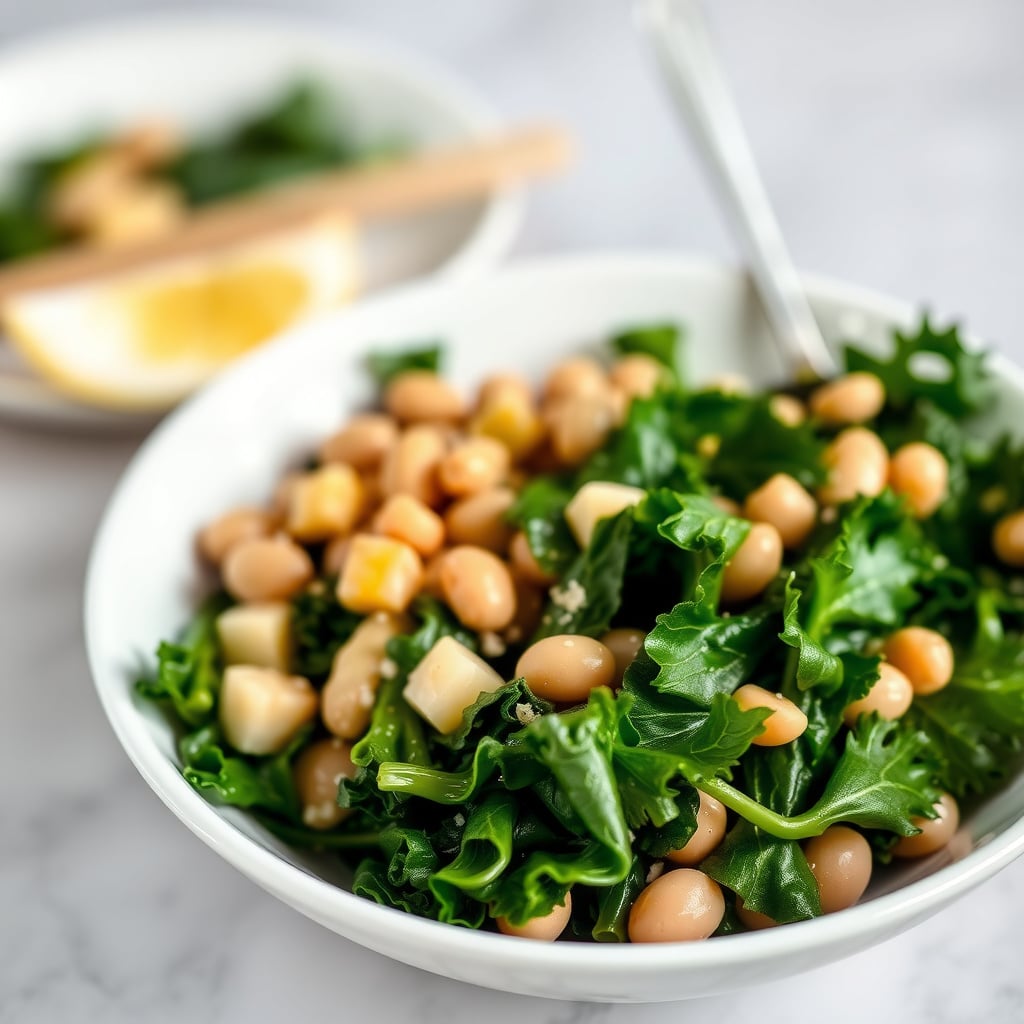
Warm Kale and White Bean Power Bowl with Lemon-Tahini Dressing
27min
4
View Full Recipe →
Ready to simplify your meal planning?
Let OttoChef AI create personalized meal plans for your family in seconds.