
Korean Gochujang-Braised Chicken: A Bold Weeknight Dinner Win
Discover the magic of gochujang with this incredible Korean braised chicken recipe. Tender chicken legs in a savory-sweet sauce, plus pickled radishes and sesame zucchini.
Daniel Park
Culinary Contributor
February 17, 2026
6 min read
18 views
There's something utterly satisfying about a dinner that looks like you spent hours in the kitchen but actually comes together in just over an hour. Korean Gochujang-Braised Chicken Legs is exactly that kind of dish—bold, complex, and surprisingly achievable on a busy weeknight.
The secret? Gochujang, Korea's beloved fermented chili paste that brings heat, sweetness, and an incredible depth of umami to everything it touches. When braised with chicken legs and balanced with soy sauce, rice vinegar, and honey, it creates a sauce so good you'll want to lick the plate.
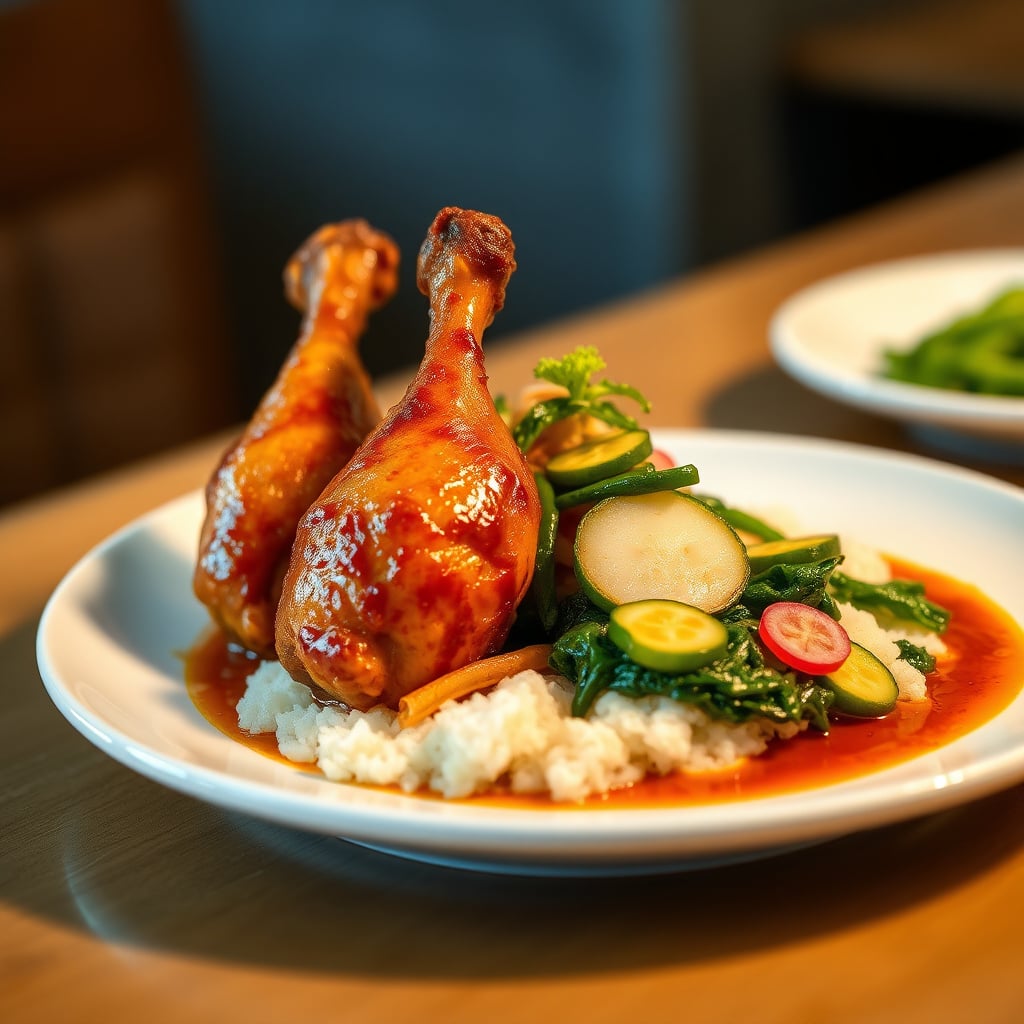
Korean Gochujang-Braised Chicken Legs with Sesame Zucchini, Pickled Radishes, and Ginger-Wilted Kale
70min
4
View Full Recipe →
Why This Recipe Works
This isn't just another chicken dinner. The technique here is what separates good home cooking from restaurant-quality results. When you sear those chicken legs skin-side down first, you're creating what chefs call "fond"—those gorgeous dark brown bits that stick to the pan. They might look like they're burning, but trust the process.
The Fond is Your Friend
Don't panic when you see dark brown bits on your pan after searing the chicken. This caramelized goodness is packed with flavor. When you add the stock and gochujang mixture, those bits will dissolve into the braising liquid, creating incredible depth and complexity. Just make sure your heat isn't so high that things actually burn—you want deep brown, not black.
The beauty of braising is that it's almost foolproof. Once your chicken is seared and your sauce is in the pan, the oven does most of the work. The low, steady heat breaks down the connective tissue in the chicken legs, making them fall-off-the-bone tender while the sauce reduces and intensifies.
The Star Ingredient: Gochujang
Gochujang
This Korean fermented chili paste is a flavor powerhouse that brings heat, sweetness, and funky umami depth all in one spoonful. Unlike hot sauces that just add heat, gochujang adds complexity. Look for it in the Asian section of most grocery stores, and once you have it, you'll find yourself adding it to everything from marinades to mayo.
If you've never cooked with gochujang before, this recipe is the perfect introduction. The honey and rice vinegar balance its heat, while the soy sauce amplifies its savory notes. The result is a sauce that's spicy but not overwhelming, with layers of flavor that keep you coming back for another bite.
Chicken Legs
Thigh and drumstick attached, chicken legs are the unsung heroes of weeknight cooking. They're more forgiving than chicken breasts, staying juicy even if slightly overcooked, and their dark meat has more flavor. Plus, they're usually the most budget-friendly option in the poultry section.
The Complete Meal
What elevates this from good to great is the thoughtful accompaniments. While your chicken braises, you'll prepare three vibrant sides that complement the rich, spicy main:
Sesame Zucchini provides a light, slightly sweet contrast with its delicate texture and nutty sesame flavor. It's the kind of simple side that lets the star shine while adding freshness to the plate.
Pickled Radishes cut through the richness with bright acidity and a satisfying crunch. They're a classic Korean banchan (side dish) that takes just minutes to prepare but adds a professional touch.
Ginger-Wilted Kale brings earthy, slightly bitter notes and a nutritional boost. The ginger ties in beautifully with the Asian flavor profile while adding its own warming spice.
"The combination of textures and flavors in this meal is what makes it special—tender chicken, crispy skin, crunchy pickles, and silky zucchini all playing together on one plate."
Chef's wisdomMastering the Technique
Perfect the Sear
Pat your chicken legs completely dry with paper towels before seasoning. Moisture is the enemy of a good sear. Heat your oven-safe pan until it's quite hot, add oil, then lay the chicken skin-side down. Resist the urge to move it around—let it sit undisturbed for 6-7 minutes to develop that golden crust.
Build the Sauce
After removing the seared chicken, whisk together your gochujang, soy sauce, honey, and rice vinegar with chicken stock. This becomes your braising liquid. Pour it into the hot pan to deglaze, scraping up all those flavorful fond bits with a wooden spoon.
Braise Low and Slow
Return the chicken to the pan skin-side up, transfer to a 350°F oven, and let time work its magic. The gentle heat will tenderize the meat while the sauce reduces and intensifies around it.
Oven Safety
Your pan handle will be extremely hot when it comes out of the oven. Keep a towel wrapped around it as a visual reminder, or use a silicone handle cover. It's easy to forget and grab a bare handle—trust me, we've all done it once!
Why You'll Make This Again and Again
At 515 calories and 36 grams of protein per serving, this meal is as nutritious as it is delicious. But beyond the numbers, it's the kind of recipe that becomes part of your regular rotation because:
- It's flexible: Substitute chicken thighs if that's what you have, or use drumsticks only
- It's impressive: The complex flavors make it perfect for casual entertaining
- It's practical: Most of the cooking is hands-off time in the oven
- It keeps well: Leftovers are fantastic the next day, with the flavors even more melded
Ingredient Prep Tip
Do all your prep work before you start cooking. Mise en place (everything in its place) is especially important here because once you start searing the chicken, things move quickly. Having your sauce ingredients pre-measured and your vegetables prepped means you can focus on technique rather than scrambling to find ingredients.
Beyond the Recipe
Once you've mastered this technique, you'll find yourself applying it to other proteins and flavor profiles. The basic method—sear, deglaze, braise—works beautifully with pork chops, beef short ribs, or even firm fish like halibut.
And that gochujang? Keep it in your fridge and start experimenting. Mix it into burger patties, stir it into scrambled eggs, whisk it into salad dressings, or spread it on sandwiches. It's one of those magical ingredients that punches way above its weight.
Rice Vinegar
This mild, slightly sweet vinegar is essential in Asian cooking. It's less harsh than distilled white vinegar and adds brightness without overwhelming other flavors. Keep a bottle in your pantry for quick pickles, salad dressings, and deglazing pans.
Ready to Get Cooking?
This Korean Gochujang-Braised Chicken is proof that weeknight dinners don't have to be boring. With just 20 minutes of active prep time and a handful of accessible ingredients, you can create something that tastes like it came from your favorite Korean restaurant.
The recipe is straightforward enough for a Tuesday night but special enough for weekend guests. The technique will teach you valuable skills you'll use in countless other dishes. And the flavors? They'll have everyone at your table asking when you're making this again.
Head to your kitchen, grab that bottle of gochujang, and discover why this recipe has earned its five-star rating. Your weeknight dinner routine is about to get a serious upgrade. And don't forget to rate the recipe and share your experience—we love hearing how it turned out for you!
Ready to simplify your meal planning?
Let OttoChef AI create personalized meal plans for your family in seconds.