
Korean Cuisine: Mastering Fermentation, Heat, and Balance at Home
Discover the three pillars of Korean cooking—fermentation, heat management, and flavor balance—with practical techniques you can use in your own kitchen.
Alex Thompson
Food Editor
January 26, 2026
7 min read
5 views
If you've ever wondered why Korean food tastes so deeply satisfying, so complex yet harmonious, the answer lies in three fundamental principles that have guided Korean cooks for millennia: fermentation, heat management, and the careful balance of flavors. Understanding these pillars will transform not just your Korean cooking, but your entire approach to building flavor in the kitchen.
The Art of Fermentation: Korea's Secret Weapon
Fermentation is the beating heart of Korean cuisine. While many cultures use fermentation, Korean cooking has elevated it to an art form, creating layers of umami, complexity, and nutritional benefits that define the cuisine's character.
At its core, fermentation is controlled decomposition—beneficial bacteria and yeasts breaking down ingredients to create new flavors, textures, and nutrients. In Korean cooking, this manifests most famously in kimchi, but also in doenjang (fermented soybean paste), gochujang (fermented chili paste), and ganjang (soy sauce).
The Umami Revolution
Fermentation creates glutamates—the compounds responsible for umami, often called the "fifth taste." This is why fermented Korean ingredients add such profound depth to dishes, even in small amounts.
What makes Korean fermentation unique is the concept of jeong seong—the care and attention given to the fermentation process. Traditional Korean households would maintain crocks of fermenting ingredients for months or years, checking on them regularly, adjusting for temperature and season. This patience creates complexity that simply can't be rushed.
Bringing Fermentation Home
You don't need to become a fermentation expert overnight, but understanding how to use fermented ingredients will immediately elevate your cooking:
Gochujang isn't just about heat—it's sweet, savory, and deeply umami. Use it in marinades, stir it into stews, or mix it with oil and vinegar for an instant flavor bomb of a dressing.
Doenjang functions similarly to miso but with a more assertive, earthy character. A spoonful in soups or braises adds incredible depth. Think of it as your secret weapon for making vegetables taste meatier and more substantial.
Kimchi is a living ingredient that changes flavor as it ages. Young kimchi is crisp and bright; aged kimchi develops sour, funky notes perfect for cooking. Don't just eat it as a side—cook with it.
Starting Simple
Begin with store-bought fermented pastes and kimchi to understand their flavors. Once you're comfortable using them, you can explore making your own. Quality matters—look for naturally fermented products without artificial additives.
Heat: Not Just Spice, But Technique
When most people think of Korean food and heat, they think of spicy red chili flakes (gochugaru). But heat in Korean cooking is multidimensional—it's about the type of spice, the intensity, and crucially, how heat is applied during cooking.
Understanding Gochugaru
Korean red chili flakes are fundamentally different from other chili products. They're made from sun-dried Korean chilies that have a unique flavor profile: fruity, slightly sweet, with moderate heat that builds rather than attacks. The flakes come in different grinds—coarse for kimchi, fine for marinades and sauces.
"The goal isn't to make your mouth burn, but to make it sing."
Korean culinary philosophyWhat's fascinating about Korean heat is the concept of maewoon mat—literally "spicy taste," but really referring to a balanced heat that enhances rather than overwhelms other flavors. This is why Korean spicy dishes remain complex and nuanced rather than one-note.
Heat Application Techniques
Korean cooking employs distinct heat management strategies:
High Heat Searing
Korean barbecue and stir-fries use intense, quick heat to create char and caramelization while keeping ingredients tender inside. This is about control—high heat for short periods.
Gentle Simmering
Stews like jjigae use sustained gentle heat to allow fermented pastes to bloom and meld with other ingredients, creating unified flavor.
Strategic Layering
Heat is often added in stages—some gochugaru at the beginning for depth, more near the end for brightness. This creates dimension.
The Burning Point
Gochugaru and gochujang can burn and turn bitter at very high temperatures. When stir-frying, add them after initial searing, or mix them into liquids to protect them from direct heat.
Balance: The Korean Flavor Compass
If fermentation provides depth and heat provides excitement, balance is what makes Korean food endlessly craveable. Korean cuisine operates on a five-flavor principle: sweet, salty, sour, bitter, and spicy (or umami, depending on the framework). Every well-composed dish considers all these elements.
The Building Blocks of Balance
Traditional Korean cooking uses specific ingredients to achieve each flavor dimension:
Sweet: Sugar, honey, or fruit provide sweetness, but also rice and vegetables contribute natural sugars that caramelize during cooking.
Salty: Sea salt, ganjang (soy sauce), and fish sauce (aekjeot) each bring different qualities of saltiness—clean, complex, and funky respectively.
Sour: Vinegar plays a role, but so does the natural acidity from fermentation. Aged kimchi, for instance, becomes increasingly sour.
Bitter: Often subtle, coming from vegetables like ssukgat (crown daisy) or slightly charred elements.
Spicy/Umami: Gochugaru provides heat, while fermented pastes deliver umami punch.
Achieving Balance in Your Cooking
The key to Korean-style balance is tasting and adjusting throughout cooking. Start with your fermented base (this gives you salt and umami), add your heat element, then balance with sweet and sour.
The Taste-Adjust Rhythm
Korean cooks often taste and adjust at three points: after adding fermented pastes, midway through cooking, and just before serving. Each stage requires different adjustments as flavors concentrate and meld.
One practical technique is creating a yangnyeom—a seasoning mixture that pre-balances flavors. A basic yangnyeom might combine gochugaru, gochujang, soy sauce, garlic, ginger, sesame oil, and a touch of sugar. This becomes your flavor foundation, already balanced before you even start cooking.
Bringing It All Together
The magic happens when these three principles work in concert. Fermented ingredients provide your flavor foundation—the deep, complex base notes. Heat adds excitement and dimension—both through spice and cooking technique. Balance ensures nothing dominates, creating harmony that makes you reach for another bite.
Practical Application: The Korean Pantry
To cook Korean-inspired food at home, build your pantry strategically:
Essential fermented ingredients: Gochujang, doenjang, good quality soy sauce, and kimchi
Heat elements: Gochugaru (both coarse and fine grind), fresh chilies
Balancing agents: Rice vinegar, sugar or honey, toasted sesame oil, garlic, ginger
Aromatics: Green onions, Korean radish (mu), perilla leaves when available
Substitution Wisdom
While authentic ingredients create authentic flavors, you can experiment with what's available. Japanese miso can stand in for doenjang in a pinch, though it's sweeter and milder. The key is understanding the role each ingredient plays—then you can adapt intelligently.
Beyond Authenticity: Understanding Principles
The goal isn't necessarily to cook "authentic" Korean food in your home kitchen—it's to understand the principles that make Korean cuisine so compelling, then apply them to your own cooking. These concepts of building flavor through fermentation, managing heat intelligently, and constantly seeking balance are universal cooking lessons.
When you add a spoonful of miso to your soup, you're using fermentation for depth. When you balance your pasta sauce's acidity with a pinch of sugar, you're applying Korean flavor philosophy. When you layer spices at different stages of cooking, you're creating dimension.
Korean cuisine offers a masterclass in patience (fermentation takes time), boldness (don't fear heat and strong flavors), and restraint (balance prevents any one element from dominating). These lessons will make you a better cook, regardless of what cuisine you're exploring.
Start simple: buy a jar of kimchi and really taste it. Notice how the flavors change from the first bite to the last. Add a spoonful of gochujang to your next stew and observe what it does. Begin building these flavors into your cooking vocabulary, and you'll discover that Korean culinary principles are incredibly generous—they make everything they touch taste more alive, more complex, more interesting.
The journey into Korean cooking isn't about mastering recipes; it's about understanding a philosophy of flavor that has been refined over thousands of years. And that philosophy, once understood, becomes a tool you'll use every time you step into your kitchen.
Try This Recipe
Now that you've learned about korean cuisine: fermentation, heat, and balance, put your knowledge into practice with this recipe:
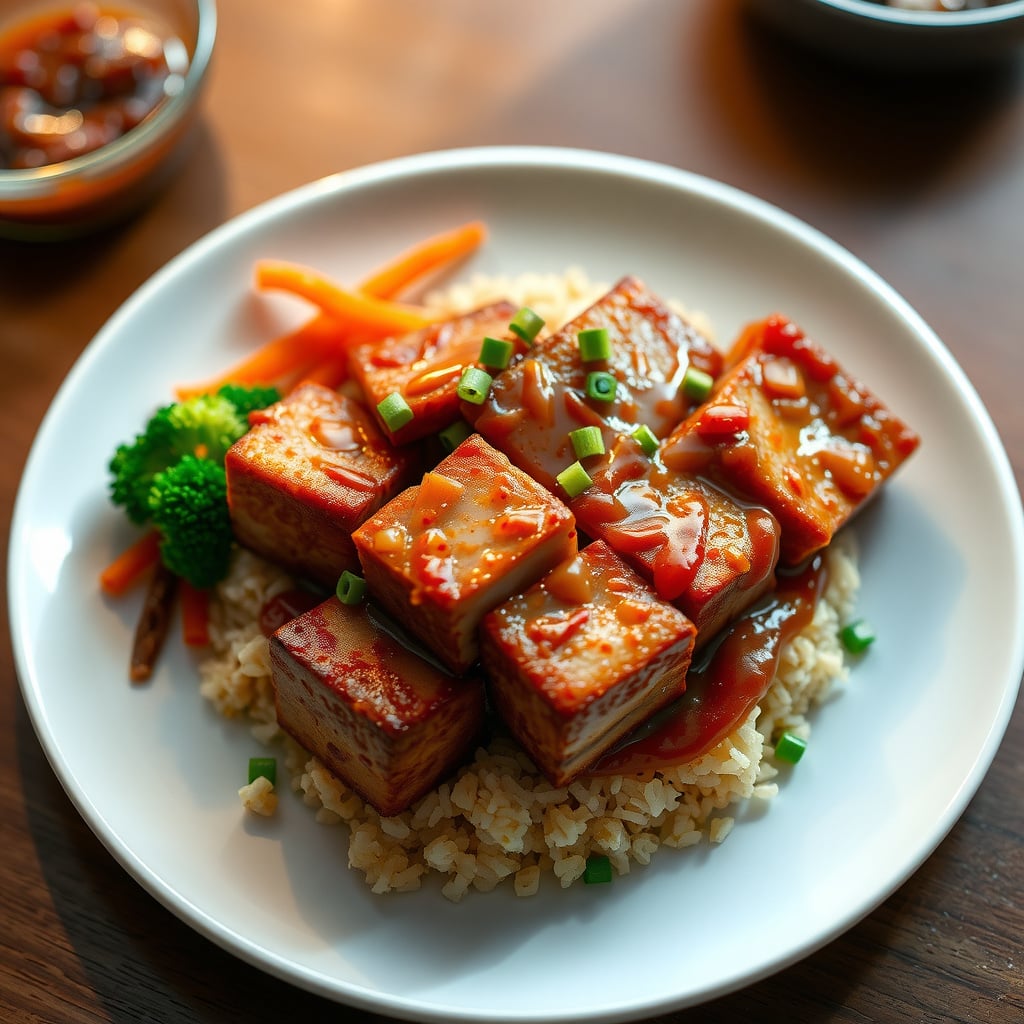
Gochujang-Glazed Pork Belly with Kimchi Fried Rice
70min
4
View Full Recipe →
Ready to simplify your meal planning?
Let OttoChef AI create personalized meal plans for your family in seconds.