
Indian Regional Cuisines: A Beginner's Guide to India's Diverse Flavors
Discover the rich diversity of Indian regional cuisines. Learn the key differences between North, South, East, and West Indian cooking traditions and techniques.
Marcus Rivera
Culinary Editor
February 5, 2026
9 min read
22 views
If you've ever thought "Indian food" meant just curry and naan, you're in for a delicious awakening. India is a vast subcontinent with 28 states, each boasting distinct culinary traditions shaped by geography, climate, religion, and history. Understanding India's regional cuisines is like discovering that "European food" encompasses everything from Swedish meatballs to Spanish paella—the diversity is staggering and endlessly fascinating.
For home cooks wanting to expand their repertoire, grasping these regional differences transforms how you approach Indian cooking. You'll understand why some dishes are coconut-rich while others feature dairy, why certain regions favor rice while others embrace wheat, and how to build authentic flavors in your own kitchen.
The Four Pillars: Understanding India's Culinary Regions
India's cuisine naturally divides into four major regions, each with its own flavor profile, cooking techniques, and staple ingredients. Think of these as your foundation for understanding this magnificent cuisine.
North India is perhaps what most Westerners picture when they think of Indian food. This region—including Punjab, Delhi, Uttar Pradesh, and Kashmir—is characterized by rich, creamy gravies, tandoor cooking, and wheat-based breads. The Mughal influence here is unmistakable, bringing techniques like slow-cooking meats in aromatic spice blends and finishing dishes with cream or yogurt. The climate is cooler, so dairy products like paneer, ghee, and yogurt feature prominently.
The Tandoor's Influence
The tandoor clay oven, reaching temperatures up to 900°F (480°C), is central to North Indian cooking. This intense heat creates the characteristic char on naan and tikka dishes while keeping meats incredibly tender inside. Home cooks can approximate this effect using a very hot oven (500°F+) or outdoor grill.
South India presents a completely different culinary landscape. States like Tamil Nadu, Kerala, Karnataka, and Andhra Pradesh rely heavily on rice, coconut, tamarind, and curry leaves. The cuisine is generally lighter, with dishes like dosa (fermented rice crepes), sambar (lentil-based vegetable stew), and fish curries cooked in coconut milk. The tropical climate means abundant seafood along the coasts and an ingenious use of souring agents like tamarind and kokum to preserve food in the heat.
Starting with South Indian Cooking
If you're new to South Indian cuisine, invest in curry leaves (fresh if possible—they freeze well), tamarind paste, and black mustard seeds. These three ingredients will unlock dozens of authentic dishes. The tempering technique called "tadka" or "vaghar"—blooming whole spices in hot oil—is fundamental to this region's cooking.
East India, encompassing West Bengal, Odisha, and the northeastern states, showcases yet another flavor dimension. Bengali cuisine is famous for its subtle, sophisticated use of spices—often featuring panch phoron (a five-spice blend) and mustard oil. Fish and seafood dominate, with freshwater varieties like rohu and hilsa holding cultural significance. The northeastern states, with their Tibetan and Southeast Asian influences, feature bamboo shoots, fermented foods, and minimal use of the heavy spices found elsewhere.
West India is incredibly diverse, spanning Gujarat, Maharashtra, Rajasthan, and Goa. Gujarati food tends toward sweet-savory combinations with dishes like dhokla and handvo. Maharashtra gave us the beloved street food culture of Mumbai, while Rajasthan developed ingenious preservation techniques in its arid desert climate. Goan cuisine, with its Portuguese colonial history, uniquely incorporates vinegar, pork, and beef—ingredients rarely used in other Indian regions.
"Understanding regional Indian cuisine isn't about memorizing recipes—it's about recognizing patterns in how geography, climate, and culture shape flavor profiles."
Chef Madhur JaffreyKey Ingredients That Define Each Region
Once you understand which ingredients dominate each region, you can start building authentic flavors even as a beginner.
North Indian Pantry Essentials: Whole spices like cumin, coriander, and green cardamom; Kashmiri red chili powder (for color more than heat); garam masala; dried fenugreek leaves (kasoori methi); ghee; cream; and cashews for thickening gravies.
South Indian Pantry Essentials: Curry leaves; tamarind; coconut (fresh, dried, or milk); black mustard seeds; urad dal (split black gram); asafoetida (hing); and an array of dried chilies like Guntur or Byadgi that vary in heat and flavor.
East Indian Pantry Essentials: Panch phoron (equal parts fenugreek, nigella, cumin, black mustard, and fennel seeds); mustard oil; poppy seeds; and for Bengali sweets, chhena (fresh cheese) and jaggery.
West Indian Pantry Essentials: For Gujarati cooking, jaggery and kokum; for Goan cuisine, vinegar, coconut vinegar, and Kashmiri chilies; for Rajasthani cooking, gram flour (besan) and dried lentils used inventively.
The Mustard Oil Question
Mustard oil is essential to Bengali cooking, but raw mustard oil contains erucic acid and shouldn't be consumed unheated in large quantities. Always heat it until it smokes (around 480°F/250°C) before adding other ingredients—this process both mellows the pungency and makes it safer. Look for bottles labeled "for external use only" in Indian stores; this is a labeling requirement, not a cooking restriction once properly heated.
Cooking Techniques That Matter
Beyond ingredients, each region has signature techniques that create its distinctive flavors.
Tempering (Tadka/Vaghar): This technique—blooming whole spices in hot oil or ghee—is universal across India but used differently by region. South Indian tempering often starts dishes, with mustard seeds, curry leaves, and dried chilies crackling in oil before adding other ingredients. North Indian tempering typically finishes dishes, with cumin seeds and dried chilies bloomed in ghee then poured over dal or yogurt-based dishes.
The Bhuna Technique: Common in North Indian cooking, bhuna means "to fry" but specifically refers to cooking spices and aromatics on medium-high heat until the oil separates from the masala. This crucial step develops deep, complex flavors and removes any raw spice taste. Patience is key—rushing this step results in harsh, unbalanced flavors.
Fermentation: South India excels at fermentation, transforming simple rice and lentil batters into dosas and idlis with complex, tangy flavors. East Indian cuisine also embraces fermentation in dishes like Bengali panta bhat (fermented rice) and northeastern fermented bamboo shoots and fish.
Mastering the Onion Base
Many North Indian gravies start with a browned onion base. The degree of browning dramatically affects the final dish: light golden for kormas, deep brown for rogan josh, almost caramelized for certain biryanis. Learn to recognize these stages, as they're not interchangeable. Medium-high heat and patience are your friends—this can take 15-25 minutes done properly.
Building Your Regional Indian Cooking Skills
Start your journey by choosing one region and mastering a few foundational dishes before moving to another. This approach builds confidence and understanding.
For North Indian beginners: Start with dal tadka (tempered lentils) and chicken tikka masala. These teach you tempering, the bhuna technique, and working with dairy-based gravies.
For South Indian beginners: Begin with sambar and coconut chutney. You'll learn about tamarind's souring power, the magic of curry leaves, and how to temper spices. Once comfortable, try making dosa batter—the fermentation process is forgiving and rewarding.
For East Indian beginners: Try Bengali-style mustard fish or aloo posto (potatoes with poppy seeds). These introduce you to mustard oil's distinctive flavor and the subtle spicing that defines this region.
For West Indian beginners: Goan fish curry or Gujarati dal (sweet-lentil soup) offer accessible entry points. You'll experience how vinegar or jaggery creates entirely different flavor profiles than you've encountered in other regions.
The Rice-Wheat Divide
Geography determines whether a region favors rice or wheat. The rice-growing regions (South and East India, plus coastal areas) naturally developed rice-based breads like dosa and idli, while wheat-growing regions (North and parts of West India) created an array of flatbreads—roti, paratha, naan, puri. Understanding this divide helps you choose appropriate accompaniments for any dish.
Common Misconceptions to Avoid
As you explore regional Indian cuisines, watch out for these common misunderstandings:
"Indian food is always spicy-hot": While some regions and dishes pack serious heat, many Indian dishes are aromatic rather than fiery. Kashmiri cuisine, for example, uses Kashmiri chilies primarily for their vibrant color, not heat. Bengali cuisine often features delicate, barely spicy preparations.
"Curry powder is authentic": Commercial curry powder is actually a British invention. Indian cooks blend spices fresh for each dish or use region-specific blends like garam masala (North), sambar powder (South), or panch phoron (East).
"All Indian food uses the same spices": While certain spices appear across regions—turmeric, coriander, cumin—their proportions and combinations vary dramatically. South Indian rasam powder tastes nothing like North Indian garam masala, even though they may share some base spices.
"Authentic Indian food requires special equipment": While a pressure cooker, spice grinder, and good heavy-bottomed pots help, you can create authentic Indian dishes with standard Western kitchen equipment. Adaptability has always been part of Indian cooking.
Your Path Forward
The beauty of Indian regional cuisines lies not in their complexity, but in their logic. Once you understand how climate, geography, and culture shape each region's cooking, you can intuitively grasp why certain ingredients and techniques belong together.
Start by cooking your way through one region, really understanding its flavor principles before moving to the next. Visit Indian grocery stores and don't be afraid to ask questions—shopkeepers are usually passionate about sharing their culinary heritage. Watch cooking videos from actual home cooks in India, not just celebrity chefs, to see how these techniques work in everyday contexts.
Most importantly, remember that Indian cuisine is living and evolving. Every home cook has their own version of classic dishes, influenced by family traditions, regional microclimates, and personal preferences. Your journey into Indian regional cuisines isn't about achieving some impossible "authenticity"—it's about understanding principles well enough to make informed, delicious choices in your own kitchen.
The subcontinent's culinary wisdom, developed over millennia, is now yours to explore. Each region offers a masterclass in working with local ingredients, adapting to climate, and creating deeply satisfying food. Whether you're drawn to the rich gravies of the North, the tangy-spicy balance of the South, the subtle sophistication of the East, or the bold contrasts of the West, there's a lifetime of learning ahead. Start with curiosity, season with respect, and cook with joy.
Try This Recipe
Now that you've learned about indian regional cuisines: a beginner's guide, put your knowledge into practice with this recipe:
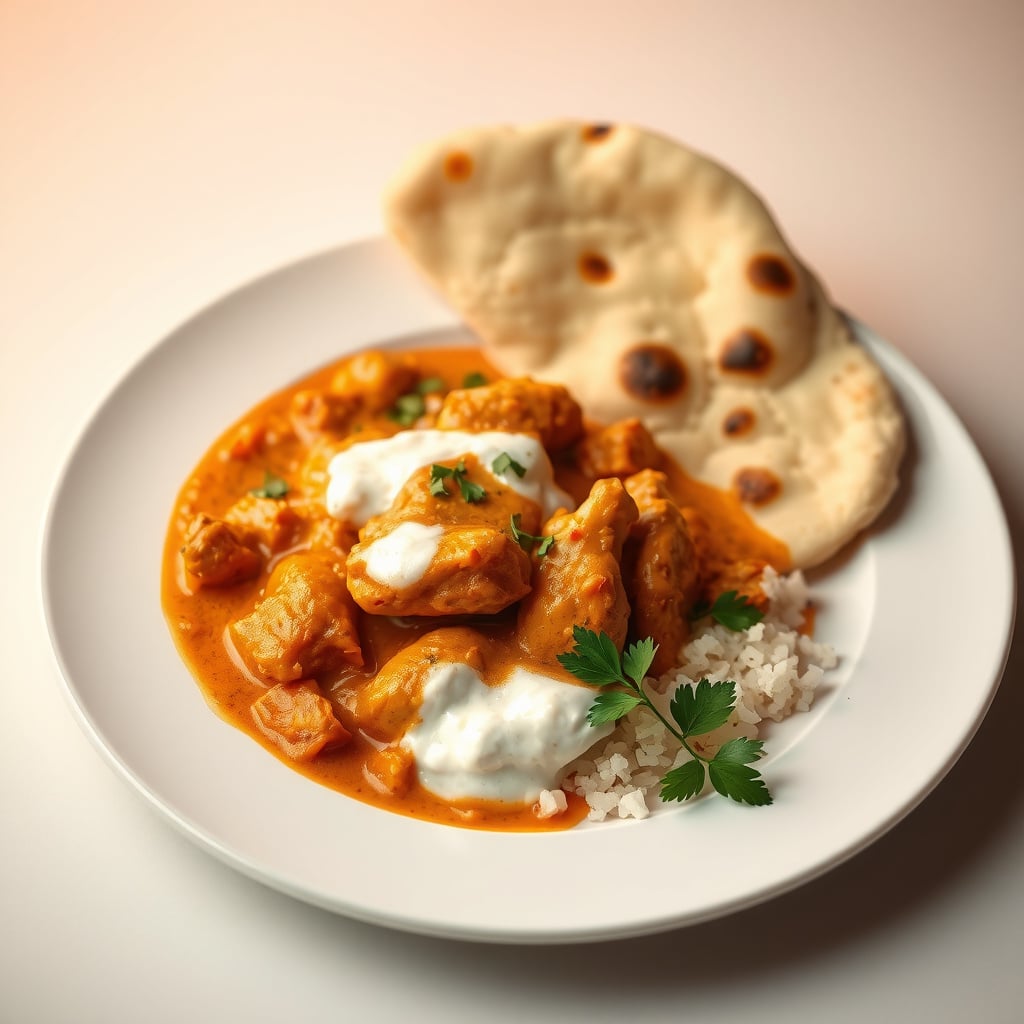
North Indian Butter Chicken (Murgh Makhani) with Homemade Naan
75min
4
View Full Recipe →
Ready to simplify your meal planning?
Let OttoChef AI create personalized meal plans for your family in seconds.